Oil Crashes, Stocks Soar, and Exxon Gets Obliterated: Welcome to War's End Game
Trump's ceasefire claims sent energy stocks into freefall while tech rallied. But Exxon's $36B bloodbath tells a different story about what's really happening.
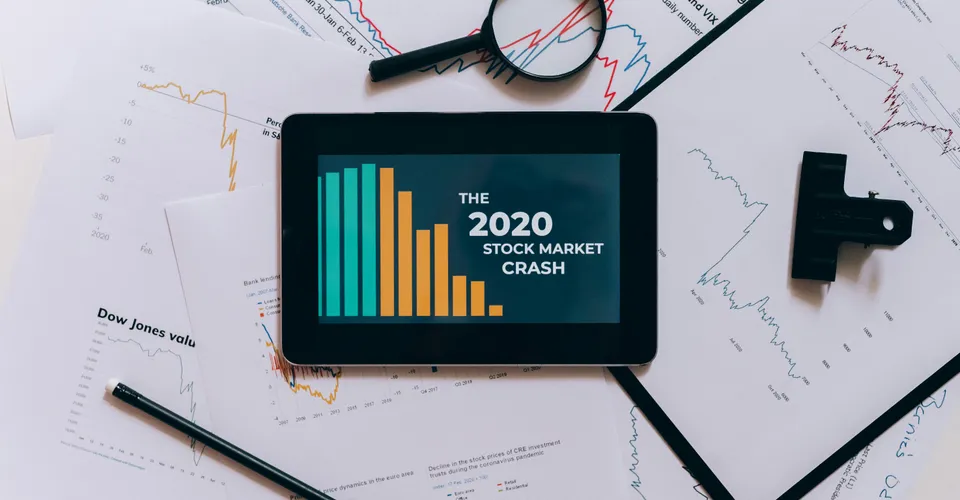
The oil trade just died faster than a TikTok trend.
Crude futures are getting demolished while equity indexes party like it’s 1999, all because Trump claims Iran’s president wants a ceasefire. One problem: Exxon Mobil just posted its worst single-day market cap loss since Lehman Brothers was still answering phones. That’s $36 billion evaporating faster than you can say “risk-off.”
Something doesn’t add up here, and it’s not just my trading P&L from 2008.
The Numbers Don’t Lie (But Politicians Do)
Let’s start with what we know. US equity indexes jumped Wednesday while crude oil futures cratered on what’s being called “Iran war optimism.” The Dow rose after Trump said Iran’s new president is asking for a ceasefire, with one small caveat — the US wants the Hormuz Strait open first.
Meanwhile, Exxon is bleeding like a stuck pig. The company’s on pace for its largest one-day market cap loss since the global financial crisis, shedding around $36 billion in market value. The entire S&P 500 energy sector got taken to the woodshed amid investor hopes for an end to the Iran conflict.
Here’s where my 20 years on trading floors kicks in: when oil companies lose this much money this fast on “peace” news, either the war premium was absolutely massive, or someone knows something the rest of us don’t.
 Photo by Leeloo The First / Pexels
The Geopolitical Shell Game
Trump’s claiming Iran wants a ceasefire. Iran’s Revolutionary Guard is simultaneously threatening to attack Nvidia, Apple, and other tech companies with Middle East operations, calling them “legitimate targets.”
Pick a lane, guys.
The war that started in late February with US and Israeli strikes on Iran has caused what everyone’s calling “massive global energy disruptions.” But if you’re trading oil right now based on Trump’s latest press conference soundbite, you might want to reconsider your risk management strategy.
I’ve seen this movie before. Back in 1991, oil prices spiked to $46 a barrel (about $100 in today’s money) right before the Gulf War started, then crashed 33% in a single day when the shooting actually began. Markets price in fear, then reality hits like a freight train.
The Hormuz Strait demand is the tell here. That’s where about 20% of global oil passes through daily. If Trump’s making strait access a precondition for any ceasefire, he’s essentially saying “we’ll stop shooting when you guarantee our oil supply.” That’s not peace negotiation — that’s surrender terms.
When $1.75 Trillion Meets Reality
While energy stocks implode, SpaceX just confidentially filed for an IPO targeting a $1.75 trillion valuation. Let me put that number in perspective: that’s bigger than most countries’ GDP. It’s larger than the market cap of Apple in 2020. For a company that makes rockets.
Elon’s timing is either brilliant or catastrophic. Filing during a geopolitical crisis means either he’s betting on post-war euphoria driving valuations higher, or SpaceX needs cash faster than anyone’s letting on.
I think it’s the former. Smart money knows that every major conflict ends the same way — with a infrastructure rebuilding boom and a technology acceleration cycle. SpaceX isn’t just selling space travel; they’re selling the next chapter of American technological dominance.
 Photo by Markus Spiske / Pexels
The Congressional Trading Circus
Speaking of timing, Congress might finally ban its own stock trading, which would kill the Unusual Whales Subversive Democratic Trading ETF (NANC) faster than you can say “insider information.” The entire investment case for NANC rests on members of Congress being allowed to trade individual stocks while having access to information that would land the rest of us in federal prison.
This is peak 2024 America: we created an ETF to copy politicians’ trades because we assume they’re all corrupt, and now we’re surprised that maybe they shouldn’t be trading at all.
The fund’s facing its most serious legislative challenge since launch. If Congress actually grows a conscience and bans member trading, NANC becomes as useful as a chocolate teapot. But here’s my bet — this ban has about as much chance of passing as I have of becoming Treasury Secretary.
Politicians talking about banning their own profit centers is like asking a casino to stop taking bets. They’ll hold hearings, make speeches, and ultimately find seventeen reasons why “now isn’t the right time.”
Big Pharma’s Trump Problem
Eli Lilly’s CEO Dave Ricks just told CNBC the company opposes codifying Trump’s “most favored nation” drug pricing into law. Translation: they don’t want their pricing tied to what other countries pay because other countries actually negotiate with pharmaceutical companies instead of bending over.
This is going to be a bigger fight than anyone realizes. Trump campaigned on lowering drug prices. Pharma companies make most of their profits in the US market because we’re the only developed nation that treats healthcare like a luxury good. Something’s got to give, and it won’t be Trump’s ego.
Lilly’s stock hasn’t crashed yet, but it should. Most favored nation pricing would cut their margins faster than a deli slicer. The company’s betting they can lobby their way out of this, but Trump’s not exactly known for backing down when he thinks he’s right.
Photo by Markus Spiske / Pexels
The Birth Certificate Distraction
While markets gyrate on war news, Trump’s calling the US “STUPID” for birthright citizenship after attending Supreme Court arguments on his executive order. This feels like classic misdirection — create noise on one front while the real action happens elsewhere.
The executive order claims babies born in the US aren’t entitled to citizenship if their parents are undocumented. Constitutionally, this is about as likely to survive as a snowball in Phoenix, but it’s sucking up media oxygen while energy markets reshape themselves.
Smart traders ignore the Twitter theater and focus on what moves money. Right now, that’s oil prices, tech threats from Iran, and the biggest IPO filing in history.
What This Really Means
Here’s my read: the war trade is unwinding faster than expected because both sides need an off-ramp. Iran’s economy is getting crushed. The US doesn’t want $200 oil heading into midterm season. The Hormuz Strait demand gives everyone cover to claim victory while backing down.
But Exxon’s $36 billion loss suggests the market thinks this peace might actually stick. Energy companies have been pricing in a war premium that could disappear overnight. If crude drops back to pre-conflict levels, every energy stock becomes a value trap.
The SpaceX IPO filing tells me Musk thinks we’re about to enter a post-conflict boom phase. You don’t target a $1.75 trillion valuation unless you believe markets are heading higher, not lower.
Iran threatening US tech companies feels like posturing for domestic consumption while their leadership negotiates behind closed doors. Revolutionary Guards need to look tough even as their government looks for an exit.
The Energy Sector Bloodbath
Energy stocks are getting annihilated because investors finally realized they’ve been paying for a war that might end. The S&P 500 energy sector’s decline isn’t just about Exxon — it’s about an entire industry repricing for peace.
Here’s what nobody’s talking about: if oil drops to $60-70 per barrel, half the shale producers in Texas become unprofitable. The energy independence America achieved over the last decade was built on $80+ oil. Take that away, and we’re back to importing from countries that hate us.
This creates a policy dilemma Trump hasn’t thought through. Lower oil prices help consumers and his approval ratings. But they also kill American energy production and the jobs that come with it. You can’t have both unless you’re willing to subsidize domestic production, which sounds suspiciously like industrial policy.
The smart money is already rotating out of energy and into tech, defense, and infrastructure. They’re betting on a post-war rebuilding cycle that favors American companies with global reach.
My Prediction: This Gets Messier
I think Trump’s ceasefire comments are premature at best, completely fabricated at worst. Real peace negotiations don’t happen via press conference, and Iran’s threats against US tech companies suggest their military isn’t getting the memo about backing down.
The market’s reaction feels like 2003 all over again — euphoric about conflicts ending before they actually end. We’re seeing classic risk-on behavior: energy down, tech up, volatility collapsing. But geopolitical crises don’t resolve this cleanly, especially when both sides are saving face for domestic audiences.
Exxon’s massive loss might be justified if peace actually breaks out. But if this ceasefire talk falls apart, energy stocks could bounce back harder than anyone expects. The market’s now pricing in peace; any escalation becomes a massive surprise.
SpaceX’s IPO timing suggests they’re planning to ride a post-conflict wave higher. That’s either genius or hubris, depending on whether Trump’s ceasefire actually materializes.
The congressional trading ban won’t happen. Too many politicians make too much money, and they’ll find ways to delay or water down any legislation. NANC might see some volatility, but it’s not going anywhere.
What I’m Watching
-
Oil futures at $65: If crude breaks below this level, the entire US shale industry becomes a sell. Watch for coordinated Fed intervention to prevent a complete collapse in energy sector employment.
-
Iran’s next 72 hours: Real ceasefire negotiations happen through diplomatic channels, not Twitter. If we don’t see concrete movement by Friday, Trump’s comments were just noise and energy stocks could snap back violently.
-
SpaceX IPO roadshow timing: If they accelerate the offering timeline, it means they’re serious about capitalizing on post-conflict euphoria. If they delay, even Musk thinks this peace talk is premature.
-
Exxon at $95: The stock’s trading like oil’s heading to $50. If it breaks below $95 per share, we’re looking at a full energy sector capitulation that could take the entire market down with it.