The AI Reckoning Has Started—And Nobody Knows Who Wins
Meta's firing 8,000 people for AI. OpenAI and Anthropic are in a cage match. And the UK just accidentally proved your medical data isn't safe anywhere.
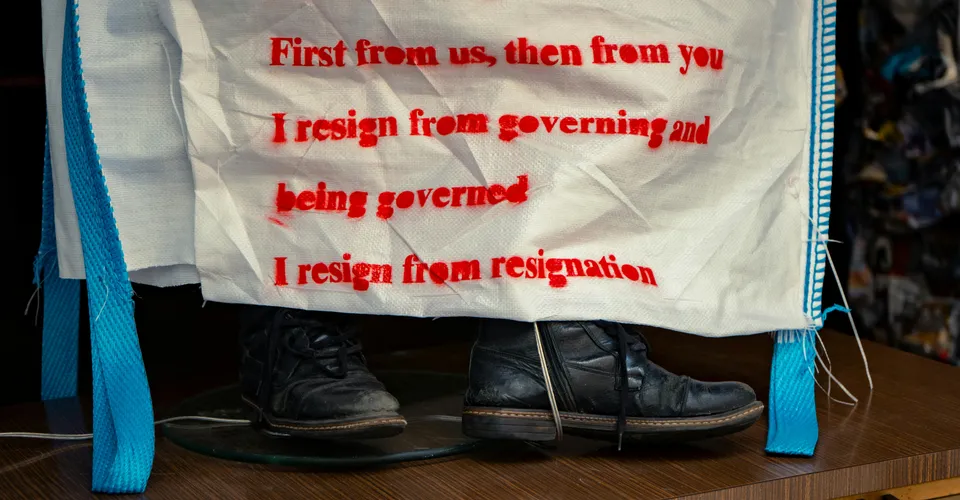
Meta’s cutting 8,000 jobs. That’s the largest layoff since 2023—which itself was the largest layoff since… well, you get the picture. But here’s what’s doing my head in: they’re not cutting because things are bad. They’re cutting because they’re betting everything on AI, and they need the cash and headcount to compete.
This isn’t retrenchment. It’s triage before the sprint.
The same week, Anthropic’s new Mythos model is triggering “emergency responses from central banks and intelligence agencies globally.” OpenAI just dropped GPT-5.5 and is taking a “more open approach to cybersecurity.” And Elon Musk is about to get a jury trial against Sam Altman that could “shift the course of the A.I. race.”
We’re not in the early days of AI anymore. We’re in the Thunderdome days. The comfortable assumptions about how this industry would evolve—the genteel competition, the careful rollout, the time to think—those are gone. What we’re seeing now is controlled panic dressed up as strategic focus.
 Photo by Zeynep Sude Emek / Pexels
The Labor Crisis Nobody’s Talking About
Let’s start with Meta. Eight thousand people. That’s not a “restructuring” or “right-sizing”—that’s a bloodletting. And the company’s being explicit about why: they need to “focus on artificial intelligence.” They’re also closing 6,000 open roles, which means the hiring freeze is real. This isn’t coming back.
But here’s the thing that gets me: Meta’s not doing this because it’s struggling to compete. It’s doing it because it believes that the next era of computational dominance belongs to whoever can spend the most on AI infrastructure the fastest. And they’re right. The math is brutal. Training a frontier AI model costs hundreds of millions now. Running it costs millions per day. The competitive moat isn’t talent anymore—it’s raw capital velocity.
Other tech companies will watch this and do the same math. Microsoft, Google, Amazon—they’re all seeing their CFOs run the numbers. And those numbers say: hire AI researchers, fire the middle managers and support staff. Automation isn’t something happening to these companies. It’s something they’re doing to themselves, on purpose, to fund the next layer of abstraction.
The UK’s Peter Molyneux—the guy who basically invented the God game and the life sim—just said Masters of Albion will be his last game ever. Not because he’s retiring tired. But because “the industry is changing.” He didn’t specify AI, but he didn’t need to. Every veteran game designer knows what’s coming: procedurally generated content, AI-driven NPC behavior, the whole creative stack getting compressed. The human cost of making games the old way is about to be economically indefensible.
 Photo by nappy / Pexels
The Danger Is Real (And We’re Not Prepared)
Anthropic’s Mythos model is so dangerous that the company won’t release it publicly. Not for safety-washing reasons. Not for marketing. It’s got actual hacking capabilities that, in the wrong hands, could cause real damage. Central banks and intelligence agencies are having emergency meetings about it.
Let that sink for a second.
This isn’t theoretical anymore. We’ve got a model that exists, that can do things humans don’t fully understand, and that governments are already nervous about. Anthropic is trying to be the responsible actor here—gating access, being transparent about what it does. But the moment that model inevitably leaks, or the moment a rival develops something similar without the same guardrails, that safety-first approach becomes moot.
OpenAI, by contrast, is taking a “more open approach to cybersecurity” with GPT-5.5. That’s code for: we’re publishing more details about our security protocols, hoping the transparency builds trust. It’s the opposite bet from Anthropic’s secrecy. One of them will look prophetic in six months. The other will look reckless.
The UK’s medical data breach is the real tell, though. Half a million people’s health records got listed for sale. Somehow they ended up on a server in China. The government says “no personally identifiable information” was exposed, which is technicallytrue and completely useless as a reassurance. Your health data is your identity, especially if someone’s correlating it with other datasets. That data is worth more to the wrong people than your credit card number.
And where’d it come from? The UK Biobank. A trusted institution. A government-backed repository. If it can happen there, it can happen anywhere.
The Court Case That Could Rewire Everything
Elon vs. Sam. A jury trial starting Monday. Musk is seeking “billions of dollars in damages” from OpenAI over what went down during the company’s transition from nonprofit to for-profit.
Look, I have no idea who wins this case. But the stakes are absolutely massive. This isn’t just about money. It’s about the legal framework for how AI companies can be structured, what happens when founders leave, whether open-source commitments are binding, and whether a company can pivot from its stated mission if it’s chasing technical capability.
A ruling in Musk’s favor could reshape how these companies operate. A ruling against him and it validates the current model: move fast, change your terms, let lawyers sort it out later. Either way, the judgment becomes the constitution of the AI industry for the next five years.
My genuine uncertainty: I can’t predict what a jury will do when you’ve got “I trusted you” sentiment (Musk’s angle) going up against “We had to chase the best model” (Altman’s). Courts don’t usually side with sentimental arguments. But they also don’t usually deal with technology changing this fast.
The Gaming Industry Signal
Peter Molyneux saying this is his last game is not a retirement announcement. It’s a surrender flag.
He’s not burnt out—he’s adaptive. He sees that the economics of traditional game development are about to get obliterated by procedural generation and AI-driven content creation. The artisanal approach that made Fable special works great when labor is your only constraint. But labor’s about to become trivial. Taste, vision, and taste-making will become the scarce resource.
Molyneux’s probably pivoting to something else. Consulting. Strategy. Maybe starting something small that leverages AI instead of fighting it. But the message is: if you’re an old-school creative director, your playbook is ending.
What I’m Watching
Microsoft’s Game Pass pivot. They’re delaying new Call of Duty to Game Pass by about a year instead of day-one access. That’s a massive strategic tell. They’re sacrificing subscriber velocity for publisher relationships. Watch if other AAA publishers follow—that’ll tell us whether the subscription model’s winning or whether traditional licensing is clawing back. If we see three more major franchises do this by Q2 2025, the whole Game Pass economics model is in trouble.
The Mythos leak or successful containment by March. Anthropic’s betting it can keep a dangerous model contained while still letting trusted researchers use it. Governments are monitoring. If it leaks, or if anyone develops an open-source equivalent within six months, Anthropic’s entire trust-based strategy collapses and we move to a world where the most capable models are just available everywhere.
Jury verdict on Musk v. Altman by mid-2025. Watch the ruling language specifically. Is it about contract law, IP rights, or fiduciary duty? That determines whether three other founder disputes with AI companies are about to blow up in court. A decision focused on fiduciary duty would trigger a tsunami of litigation from early OpenAI stakeholders.
Meta’s Q1 earnings and hiring data. If they stick to the 8,000 cuts and actually don’t hire for non-AI roles through 2025, that’s proof the model is real and we’re about to see this across the industry. If they start hiring support staff back by summer, it means the cuts were PR theater.
The thing about AI right now is that it’s not the future anymore. It’s the present deciding what comes next, and nobody’s sure if the decisions being made are shrewd or desperate.