The Alliance Is Cracking—And Nobody Wants to Say It Out Loud
NATO faces its biggest internal threat in decades. It's not Russia. It's Washington considering punishment for allies who won't fall in line on Iran.

A Pentagon email proposing to suspend Spain from NATO over insufficient Iran war support doesn’t just cross a line. It obliterates the entire framework that’s held the Western alliance together since 1949.
Let’s be clear about what’s happening here: The United States is apparently considering punishing a NATO member—not for military weakness, not for betraying collective defense, but for disagreeing on regional policy. This isn’t alliance management. This is coercion wearing a uniform.
 Photo by Wolrider YURTSEVEN / Pexels
The Threat That Nobody Expected
NATO’s founding treaty has no expulsion clause. That’s intentional. The architects of the alliance—people who’d just watched Europe destroy itself twice—built something designed to survive disagreement. Article 5 is binding. But Article 13, which allows withdrawal, goes only one direction: a member can leave voluntarily. Nobody can be thrown out.
The Pentagon email reportedly explores ways around this constraint. Suspension. Punishment. The language matters less than the intent: bend to our Iran policy, or face consequences within the structure you’ve helped maintain for seven decades.
Spain’s offense? Not committing enough military resources to an Iran war that most European governments view with deep skepticism. That’s a policy difference. It happens constantly in alliances. Germany disagreed with the 2003 Iraq invasion. France sat out Libya. Britain dragged its feet on Syria. These nations stayed in NATO because the alliance was built to contain disagreements, not weaponize them.
What’s different now is the threat is coming from inside the structure itself.
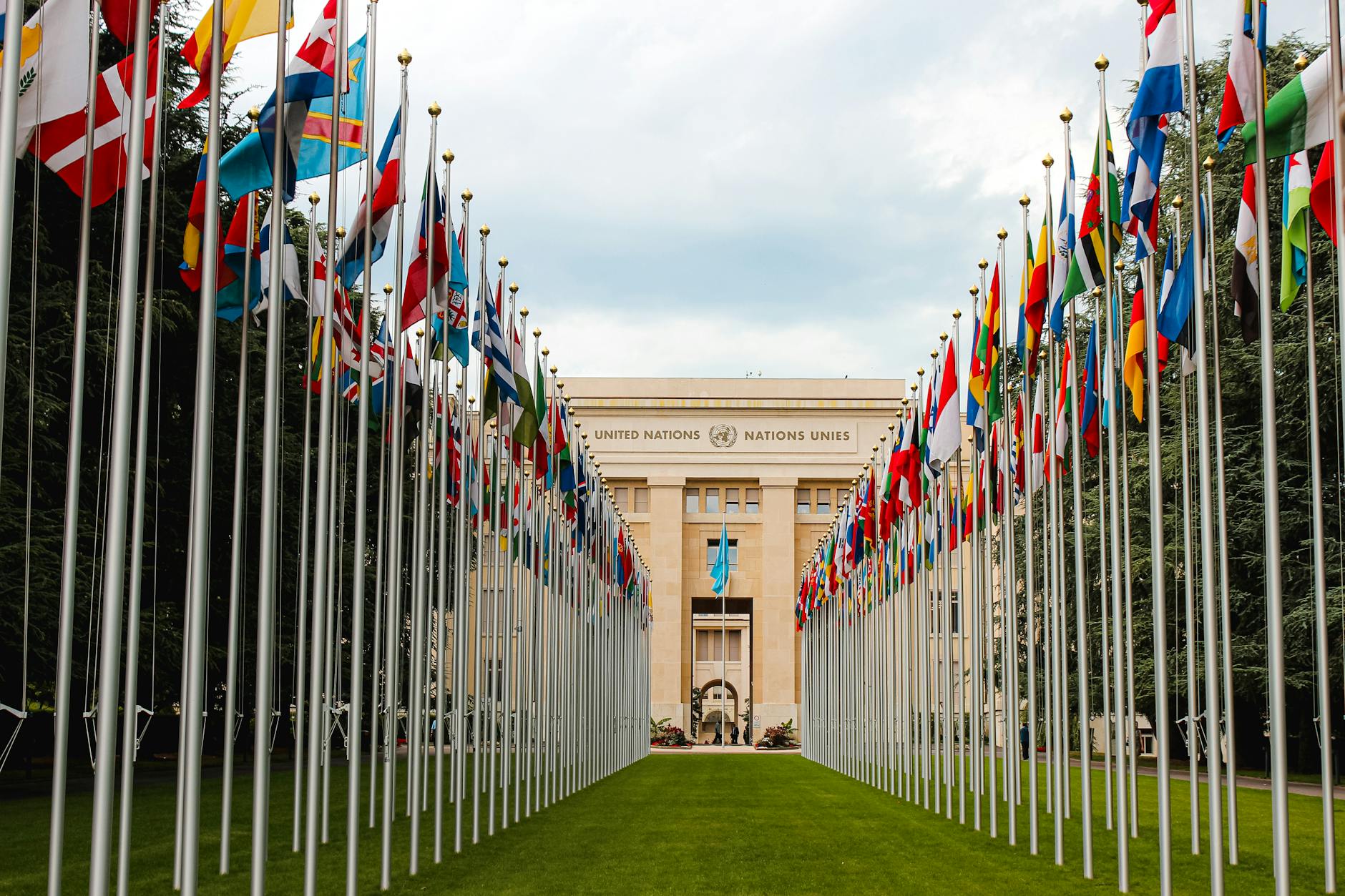 Photo by Mathias Reding / Pexels
A Preview of Post-American Europe
Here’s what fascinates me: the European Union is simultaneously drafting mutual defense obligations that exist outside NATO. That headline about EU nations having “little-known” obligations to protect one another isn’t really about those obligations being new. It’s about them becoming suddenly relevant because Europe is doing the math on whether America will be reliable.
Imagine you’re a Spanish defense minister reading that Pentagon email. You’re already contributing troops across multiple theaters. You’re already a NATO member bearing real costs. And now you’re being told that insufficient enthusiasm for someone else’s war could get you suspended from an alliance you’ve been part of for over 40 years.
You start thinking about Plan B. You start asking whether European defense—actually independent European defense, not NATO-with-American-blessing—matters anymore.
This isn’t a crisis yet. But it’s the kind of thought that spreads.
The Deeper Gamble
Here’s what I genuinely don’t know: whether this email represents actual policy or a worst-case scenario memo that was meant to stay internal. Pentagon planning documents often explore options that never become reality. But the fact that someone in the building thinks this is an option worth discussing changes the calculation for every other NATO member.
It’s like the moment a board member suggests firing the CEO. Even if it doesn’t happen, the relationship is different afterward.
The timing is worth noting. We’ve got Lebanon in a ceasefire that’s already extended once (Trump announced a three-week extension just recently). Gaza is holding its first local elections in two decades without Hamas participating. Israel and Iran-backed forces are in a holding pattern. This is when you’d think the U.S. would be consolidating alliance cohesion, not threatening it.
Instead, we’re watching the opposite.
When Allies Become Subordinates
There’s a historical comparison worth dragging up: the Suez Crisis of 1956. Britain and France invaded Egypt without telling the United States, and Eisenhower essentially ended the invasion through economic pressure—freezing sterling, threatening to block International Monetary Fund support. Allies learned a lesson about going rogue.
But that was punishment after the fact for unauthorized action. What we’re seeing with Spain is different. It’s preventive coercion for insufficient enthusiasm about someone else’s war. One is disciplining an ally for defying you. The other is disciplining an ally for not being eager enough to do what you want.
The second one corrodes something fundamental. It says alliance membership doesn’t come with the right to dissent on non-core issues. It says burden-sharing is only acceptable if it comes with ideological alignment.
My prediction: if this policy gets implemented, you’ll see a measurable shift in European defense spending redirecting away from NATO-integrated structures. Not immediately. Not loudly. But the incentives just changed. Why fully integrate your military command with an alliance that might suspend you for policy disagreements?
The Sideshow That Reveals Everything
Meanwhile, we’ve got Kenyan President William Ruto mocking Nigerian English on the international stage, and absolutely nobody is treating this as a big deal diplomatically. He’s essentially saying Nigeria—Africa’s largest economy and most powerful military—speaks poorly, speaks in ways that are “hard to understand.”
This is a small moment that tells you something about how normal it’s become to insult allies in public. It wouldn’t have been permissible in the Cold War. It wouldn’t have been permissible in the early 2000s. Now? It barely registers as news.
When allied leaders start mocking each other, you’re in a different era. It’s not just that the alliance is fraying. It’s that the social contract—the basic agreement that you maintain some dignity and respect for your partners—has already degraded.
Photo by Mathias Reding / Pexels
What I’m Watching
The Spain suspension timeline. If the Pentagon email was a trial balloon, we’ll see signals within six months. Watch for any formal NATO statements about “reassessing” Spain’s contributions, or any language tying alliance benefits to specific Iran policy commitments. That would tell you this wasn’t a wayward memo—it was strategy.
European Defense Fund spending patterns. Within the next budget cycle (most EU nations finalize defense budgets by Q2), watch whether European countries start funding standalone European command structures rather than NATO-integrated ones. A shift above 10% reallocation would suggest real hedging against American unreliability.
The next NATO disagreement over Iran or regional policy. It’s coming. Maybe it’s about Syria, maybe it’s about Iraq, maybe it’s something we haven’t predicted. Watch how the United States frames it rhetorically. If you hear language about “alliance responsibilities” or “commitment tests,” you’re watching the coercion model get normalized. If you hear language about “finding common ground,” the moment passed and this was contained.
Trump’s second term NATO engagement pattern. Does he rebuild the relationship with a softer touch, or does he double down on the leverage playbook? The Spain situation is almost certainly not a one-off if the administration sees it as an effective tool. Watch for similar threats or pressure on other NATO members with dissenting views.
The alliance held together through the Soviet collapse, through Iraq, through Libya, through a thousand moments where members disagreed. It survived because the cost of leaving was higher than the cost of tolerating disagreement. We’re in the process of changing that equation. Once you do, you can’t un-change it.