The Astronauts Landed. Now Watch What Happens at the Negotiating Table.
While America celebrates a moon mission, backroom talks with Iran could reshape the entire Middle East—if they don't collapse first.
The Moment We’re Actually In
Americans are cheering four astronauts splashing down safely in the Pacific after touching the moon. Meanwhile, Vice President JD Vance is sitting across a table from senior Iranian negotiators in what amounts to the most significant diplomatic opening between Washington and Tehran since 1979. These two things aren’t unrelated. One symbolizes American technological ambition and reach. The other will determine whether the U.S. can actually achieve something—anything—in the Middle East without bombs.
This is the hinge moment. Not the moon landing. What happens in those Iran talks over the next 90 days will matter more to global stability than whether we plant another flag on lunar dust.
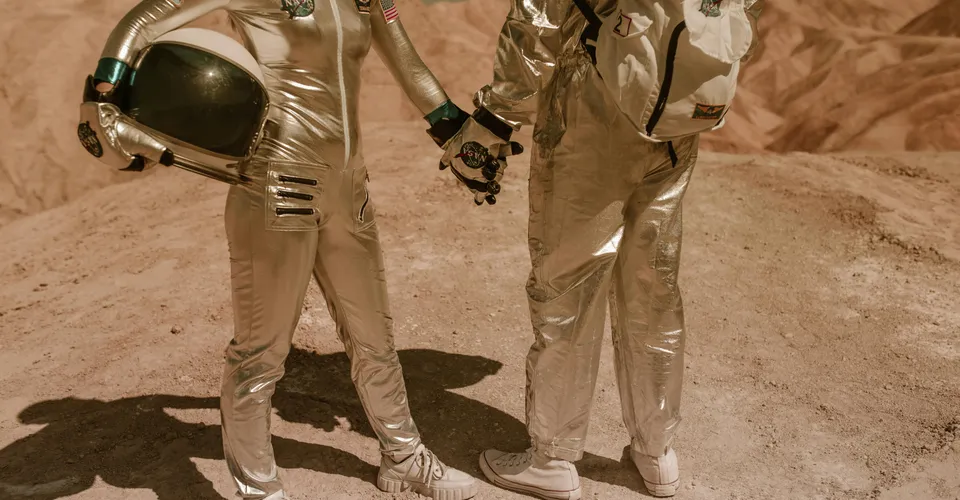
 Photo by RDNE Stock project / Pexels
Iran Just Got Flattened. That Changes Everything.
Let’s start with the raw fact: U.S. and Israeli bombardment has caused vast destruction across Iran. The country is economically devastated. Sanctions have strangled its ability to function. Now Iran sits at a negotiating table with people who just finished bombing it.
This isn’t hypothetical leverage. Iran’s government needs sanctions relief like a drowning person needs air. That’s their actual position. They’re not there because they suddenly love democracy or want to be friends. They’re there because their economy is in ruins and they need to eat.
My read? This actually gives negotiators something real to work with. Iran has firm demands—they’ve stuck to consistent positions while Trump’s war aims kept shifting. That consistency matters. It means they’re not negotiating theater. They want something specific, not just a photo op.
But here’s the catch: consistency can also mean inflexibility.
 Photo by Markus Winkler / Pexels
The Trump Problem Isn’t What You Think
Everyone’s focused on whether Trump will blow up the deal. Fair concern. But there’s something stranger happening. Trump called the Chagos Islands handover to Mauritius “an act of great stupidity”—and Britain immediately froze the plan. That’s not normal. That’s a president with leverage he’s actually using, sometimes petulantly, sometimes strategically.
With Iran, Trump has shown he’s willing to wage war and now willing to talk. The question nobody can answer yet: is he willing to stick with a deal if he makes one? His war aims have changed by the moment, according to reporting. That’s either flexibility (good for negotiating) or chaos (catastrophic for anything that requires follow-through).
I think Trump wants a win he can claim. A peace deal with Iran, especially one that lifts sanctions and brings Iranian oil back online, could tank gas prices before the next election. That’s the kind of concrete outcome Trump understands. Whether he’ll actually negotiate in good faith for that outcome, or whether he’ll use talks as cover for something else—that’s where I have genuine uncertainty.
The Fuel Lines and the Fever Dream
Here’s a detail that matters: demonstrators in Ireland blocked access to an oil refinery because of fuel prices driven up by the U.S.-Israeli war. Tanker trucks are now regaining access. That’s the real-world cost of conflict. It’s not abstract. It’s people waiting in lines.
If Iran talks collapse, expect global oil to spike. Gas prices in America go up. That becomes a political problem for Trump domestically. If talks succeed and sanctions lift, Iranian crude hits the market. Prices drop. That’s the carrot for Trump, and it’s a genuine carrot.
Compare this to 2015, when the Obama administration negotiated the JCPOA. That took years. It had technical committees, verification protocols, step-by-step implementation. We’re not going to do that now. The timeline is compressed. Either they get to something in months or this falls apart.
The Epstein Distraction and the Lu Xun Moment
Two items from the headlines that seem unrelated but aren’t: Melania Trump has inserted herself into the Epstein investigation, putting her at odds with the Trump administration’s desire to close it. Separately, China’s Communist Party has turned the writer Lu Xun—a figure who excoriated the establishment—into a bland Disney mascot.
Both are about controlling narratives when you’re weak. When you’re strong, you don’t need to rebrand dissidents or bury investigations. You just move forward. The fact that these things are happening suggests both administrations feel pressure from things they can’t openly discuss.
I’m not saying this affects Iran talks directly. I’m saying it reveals something about the quality of the governments trying to negotiate them. They’re distracted. They’re managing crises. They’re not operating from positions of pure strategic clarity.
What Actually Has to Happen
Iran needs: sanctions relief, economic opening, international legitimacy.
America needs: Iran to halt uranium enrichment past agreed thresholds, no nuclear weapons, no regional proxies attacking U.S. allies.
Both sides need: the other side to believe they’ll keep the deal once it’s signed.
That third part is the killer. Trust. Iran has zero reason to trust America after the 2015 JCPOA was shredded by Trump’s first administration. America has no reason to trust Iran after it’s sponsored militias across Iraq, Syria, and Yemen. Both countries are run by people with genuine grievances against each other.
So what would actually work? Something smaller than the JCPOA. More limited. Verifiable in ways neither side can cheat on. Probably not a grand bargain but a series of smaller agreements that build confidence. Oil for non-weaponized uranium. Sanctions relief in tranches tied to specific verifiable actions.
That’s not sexy. That doesn’t make headlines. But it survives.
The Chinese Test
Here’s what I’d bet on: if China gets involved in these talks—offering to mediate or guarantee parts of a deal—everything changes. China’s got economic relationships with Iran that the U.S. can’t unwind. They’ve got patience. They don’t care about next year’s election.
We haven’t seen China move yet. That’s what I’m actually watching for.
What I’m Watching
First: The 90-day window. If talks haven’t produced a framework agreement by mid-April, we’re probably done. That’s when pressure from domestic politics in the U.S. becomes overwhelming and when Iran’s economic desperation might push them toward something reckless.
Second: Whether Trump demands—actually gets—oil market relief. If sanctions lift and Iranian oil hits the global market, prices should fall 5-10 percent within weeks. That’s measurable. That’s his win condition. Watch whether the administration prioritizes this enough to make real concessions.
Third: Any Iranian military movements in the Red Sea or Persian Gulf. This is the signal for whether talks are genuinely happening or whether Iran’s keeping options open. If proxy militias stay quiet, talks are serious. If attacks resume, someone walked away from the table.
Fourth: Mauritian patience on Chagos. Trump killed that deal with a sentence. If he can kill it, he can resurrect it. The question is whether he’ll use it as leverage in Iran talks—essentially saying “accept my terms or I hand your islands to another country.” That would be classic Trump. Watch for any statements tying these negotiations together, even indirectly.
The moon landing was yesterday’s news the moment the capsule hit the water. What happens in the next three months with Iran will shape the next decade. We’re not guaranteed a deal. We’re guaranteed that one side will eventually walk away. The question is which one, and whether the world survives it intact.