The Ceasefire That's Already Falling Apart—And Why Your Portfolio Should Care
A two-week Iran truce is unraveling before it started. Here's what that means for tech stocks, oil, and the AI rally that just got a lot shakier.
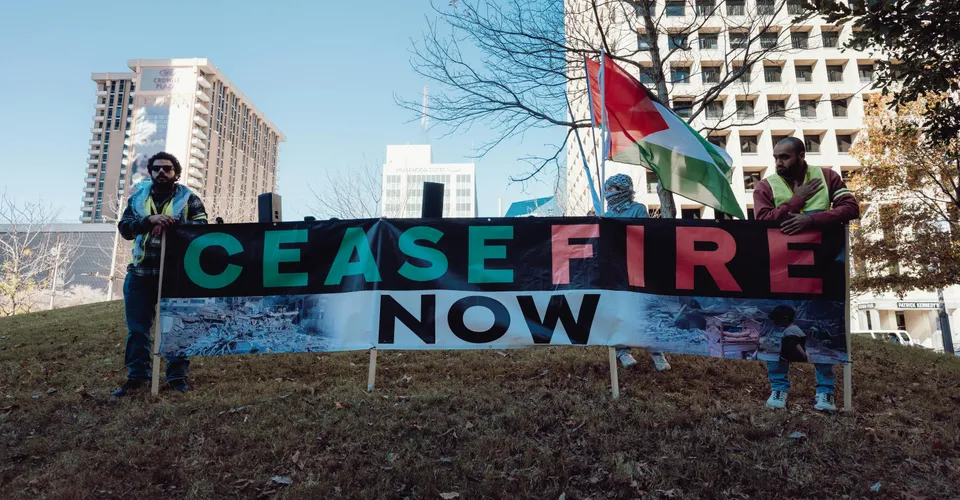
The market did what it always does when diplomacy gets a headline: it bought the dip and declared victory. An Iran ceasefire was announced. Oil prices jumped. Tech stocks rallied. Google, Broadcom, and Nvidia’s partner Vertiv all flashed buy signals. For about 18 hours, investors collectively decided that geopolitical risk had been priced in and we could get back to the real business of making money.
Then Iran’s parliamentary speaker said the U.S. had already violated the agreement. Trump warned that American military forces would stay near Iran until a “real agreement” was honored. Oil prices resumed gains on the breach accusations. And suddenly that fragile ceasefire—brokered by Pakistan, mind you, which tells you something about how thin the diplomatic thread is—started looking like the Potemkin village of geopolitical solutions.
This matters. Not because I think we’re headed toward a shooting war tomorrow. But because this entire market rally has been constructed on the assumption that certain tail risks were getting smaller. They’re not. They’re just getting repackaged.
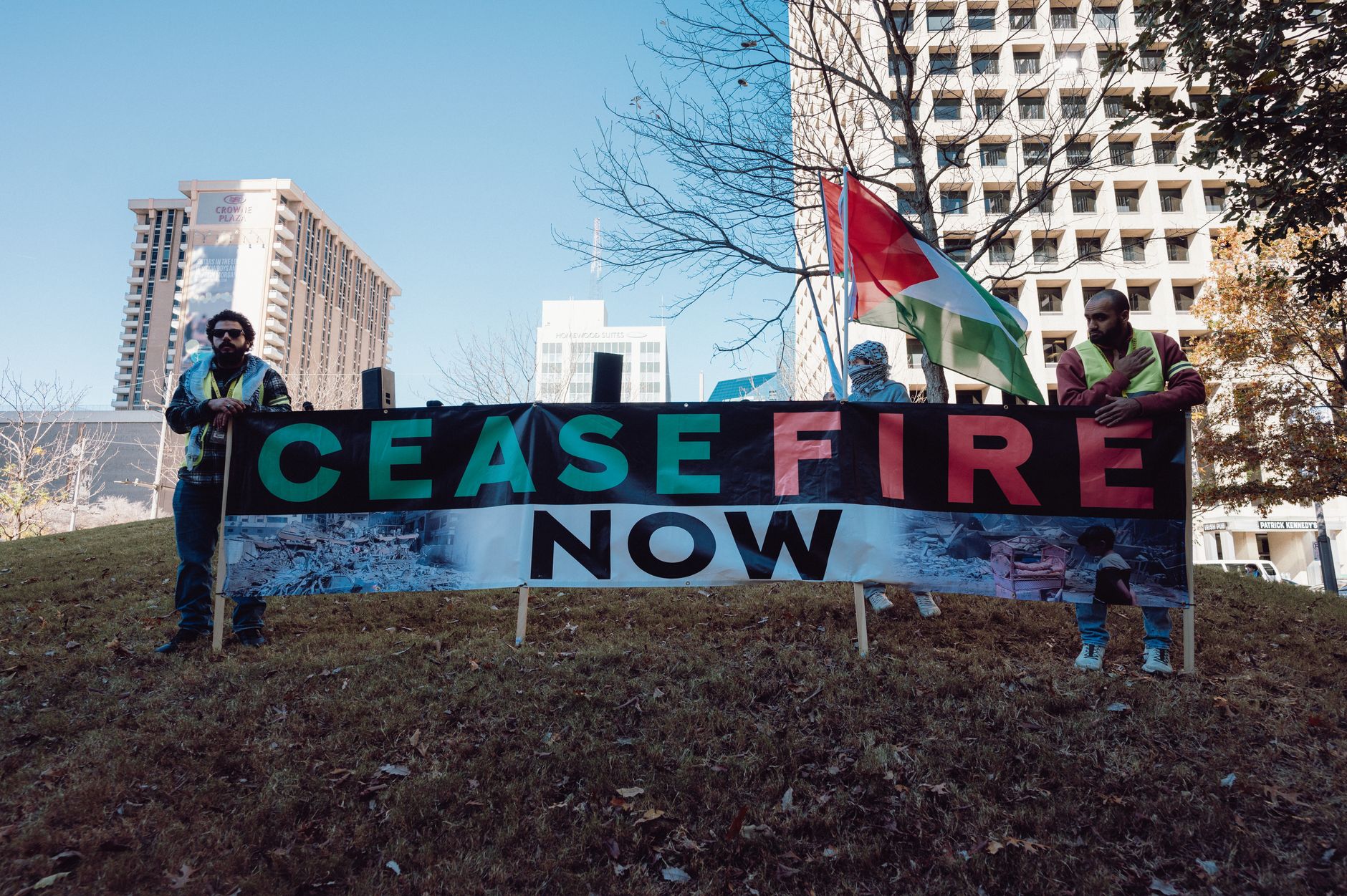 Photo by Alfo Medeiros / Pexels
When the Truce Lasts Shorter Than Your Commute
Let’s be precise about what happened here. A two-week ceasefire was announced. Within less than 24 hours, Iran accused the U.S. of breaching it. Trump responded by essentially saying “we’re keeping boots on the ground until you get serious.” That’s not a ceasefire. That’s a timeout that nobody agreed would end.
Here’s what’s fascinating from a trading perspective: the market initially treated this like a binary event. Ceasefire = risk off, buy risk assets. But markets don’t actually work that way when you’re dealing with unstable equilibria. A ceasefire that’s actively being contested while it’s supposedly in effect is worse than no ceasefire at all. It’s a ceasefire with an expiration date that could be measured in days instead of weeks.
That matters for the oil complex, which immediately repriced higher once the accusations started flying. Oil moves on sentiment as much as fundamentals. Right now the sentiment is: “we got a reprieve but nobody actually trusts it.” That’s the regime that creates volatility.
The AI Rally’s Dirty Little Secret
Here’s what’s been bugging me about this last month of market moves. We’ve seen a genuinely impressive rally in the tech space—Aehr Test Systems is up over 210% in 2026 alone. There’s serious money moving into semiconductor-adjacent names. An AI stock is being positioned for S&P 500 inclusion before year-end because it’s “at the heart of a crucial aspect of the U.S. economy’s future.”
But this entire rally has been running on what amounts to borrowed stability.
 Photo by Markus Spiske / Pexels
The moment geopolitical risk spiked, it showed. Oil moved. Tech caught a bid initially on the ceasefire news, but if that ceasefire actually collapses, you’re going to see some real rotation pressure. Not because the fundamentals of AI or semiconductors changed. Because capital has to go somewhere and geopolitical volatility is the enemy of the long duration assets that semiconductor stocks are.
Super Micro Computer crashed 29.7% in March for fundamental reasons—whatever those were, the “big questions remain” according to the reporting. But it’s moving higher in April. That’s not necessarily because the issues got fixed. That’s because in a risk-on environment, beaten-down hardware stocks that touch the AI supply chain get a bid. Flip the risk environment and that reverses just as quickly.
My read: this AI rally is real in the sense that AI demand is real. But the valuation rally, the multiple expansion, the easy money flowing into semiconductor names—that’s been running on the assumption that geopolitical risk is contained and declining. A ceasefire that starts falling apart in real-time is the kind of thing that shakes that assumption hard.
Trump and the NATO Fracture
There’s a second thing happening here that’s getting lost in the oil price noise. Trump is publicly venting frustration at NATO while simultaneously saying the U.S. military will stay near Iran. He’s also apparently setting his eyes on Greenland again, which is the kind of statement that makes European allies wonder what the hell is happening.
I’m not here to editorialize about Trump or geopolitics broadly. But from a market perspective, what you’re seeing is a NATO alliance that’s visibly fractured over the Iran situation. That matters because European equity markets and the dollar move on NATO stability assumptions. A visible rift gets priced in eventually.
And there’s the Anthropic situation. The company lost an appeals court bid to block a Pentagon blacklisting. This isn’t a small thing if you’re holding AI infrastructure plays. The defense industrial complex is starting to explicitly exclude certain AI companies from certain contracts. That’s a regulatory fracture that’s going to matter for valuations once people actually process what it means.
What This Actually Means
I think the market is doing what it always does after a geopolitical scare: assuming the worst is over and repricing based on the hope that stability will hold.
I’d bet that assumption gets tested hard in the next 30 days.
The ceasefire was always going to be fragile. It was brokered by Pakistan. It’s two weeks. Both sides are accusing each other of violations within the first day. That’s not a surprise. That’s exactly how these things go when you’re trying to engineer a pause between parties that don’t trust each other.
What happens when one side actually decides to formally resume hostilities? Oil spikes hard. Tech gets hammered because duration assets hate volatility. The Fed has less room to cut because inflation hawks get air cover again. And suddenly that S&P 500 AI stock inclusion looks a lot less certain because the index is busy repricing risk.
I’m not predicting that happens. I’m saying the odds of it are way higher than the market is currently pricing in, given how fast this “ceasefire” started coming apart.
The fragile cease-fire announcement has been paired with warnings that private credit remains a lurking risk. Translation: capital is flowing into places it shouldn’t because yields are chasing growth, and if we get a volatility spike, a bunch of that capital is going to suddenly need to find exits. That’s a secondary risk that compounds the geopolitical primary risk.
Photo by Markus Spiske / Pexels
What I’m Watching
The two-week ceasefire timeline. Mark April 23-24 on your calendar. That’s when this initial ceasefire window closes. If we get even to day 10 without a major escalation accusation or military incident, I’d start believing this might actually hold. If we don’t, everything I’ve written above goes into overdrive.
Oil’s reaction to any new breach allegations. Watch the $85-95 band for WTI crude. If we’re getting multiple breach accusations per week and oil is moving higher on them, that’s evidence that the market is slowly repricing toward conflict. That’s the canary in the coal mine for equity rotation.
Semiconductor stock behavior in a volatility spike. If VIX jumps 5+ points on fresh Iran headlines, watch whether Aehr, Supermicro, and the broader chip complex hold their gains or give them back. The answer tells you whether this rally is structural or just a risk-on bounce.
Pentagon blacklisting expansion. Keep an eye on whether the Anthropic exclusion becomes a template for broader AI company restrictions. If defense-adjacent work starts getting carved out of multiple AI companies’ addressable markets, that’s a valuation reset that nobody’s pricing in yet.