The Ceasefire Trap: Why This Oil Rally Won't Last
Trump's Iran deal crushed volatility and lifted stocks, but the math doesn't add up—and the missiles keep flying anyway.
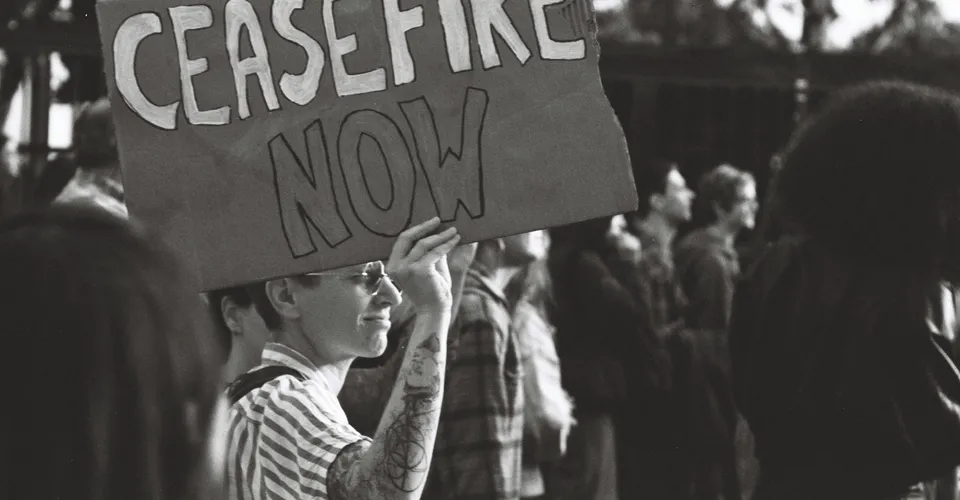
The relief rally was immediate. Textbook. Oil tanked below $100 a barrel. Dow futures jumped. Bitcoin hit $72K. Even utilities and healthcare stocks got a bump. On the surface, Trump’s two-week Iran ceasefire looks like the kind of geopolitical win that traders live for—uncertainty off the table, supply chain fears evaporating, risk assets ripping higher.
Here’s the problem: the missiles didn’t stop.
Within hours of the U.S. and Iran announcing their ceasefire agreement, Gulf countries were still intercepting incoming ballistic missiles and drones from Iran. Let me say that again, because it matters. The ceasefire was announced. The Strait of Hormuz was supposed to reopen. And Iran kept shooting.
That gap between headline and reality is where fortunes get made and lost.
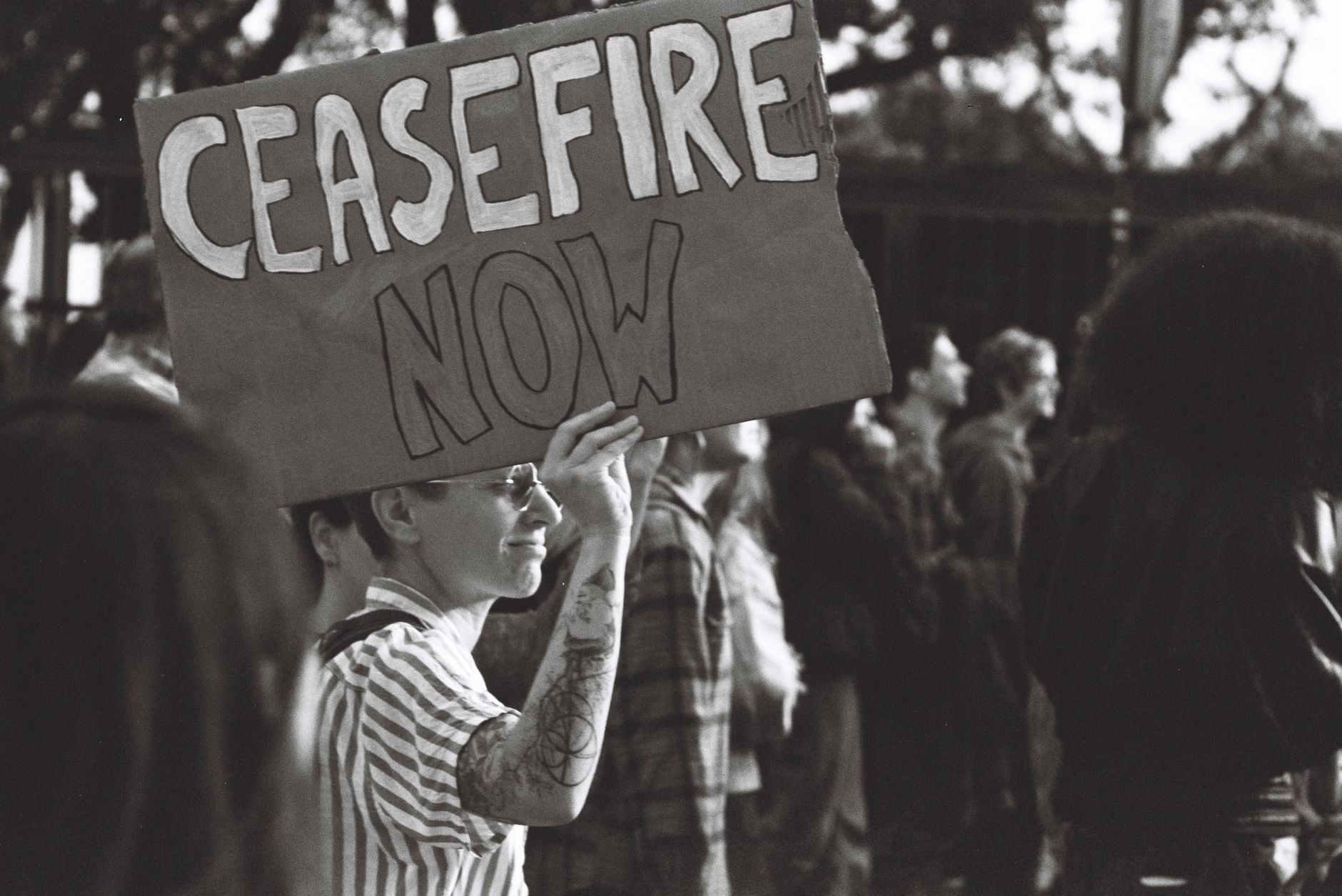 Photo by Efe Ersoy / Pexels
The Volatility Trap
Look at the options data and you’ll see something that should make you nervous. Bitcoin surged to $72K on the ceasefire news, sure. But the $2.18 billion options expiry coming Friday shows vol crush, not bullish conviction. That’s Wall Street speak for: people bought the dip out of relief, not because they actually believe this holds.
Vol crush happens when traders stop hedging because they think the danger has passed. It’s the opposite of conviction. It’s complacency. It’s the moment right before the market remembers that geopolitics doesn’t follow agreed-upon timelines.
When you’ve got a two-week ceasefire but ballistic missiles are still in the air within hours, you’re not looking at a solved problem. You’re looking at a temporary pause on a conversation that’s far from over.
Who Actually Benefits Here
Let’s talk about what’s actually happening under the surface while everyone celebrates lower oil prices.
UnitedHealth Group got upgraded. The reason? Potential upside to earnings estimates. Not because of the Iran deal specifically, but because the broader market mood just shifted from “we’re about to see stagflation and geopolitical chaos” to “hey, maybe growth is back on the menu.” Lower energy costs help insurance companies. Fewer supply chain disruptions mean better margins. That’s a real tailwind, at least in the near term.
Duke Energy’s price target got raised from $127 to $143. The utilities outlook improved. Why? Same story. Oil below $100 means energy transition narratives get some breathing room. It’s less about Iran and more about what oil at sub-$100 says about global growth assumptions. If we’re not in a Middle East war scenario, maybe the Fed doesn’t have to stay as hawkish. Maybe utilities aren’t fighting inflation as hard. That’s worth real money to DUK shareholders.
These aren’t controversial takes. Healthcare and utilities perform better when geopolitical risk premiums compress. The upgrades are rational given the headlines.
The question is whether they’re permanent.
 Photo by Markus Spiske / Pexels
The Math Doesn’t Work
Here’s what’s bothering me: oil prices plunged on the assumption that the Strait of Hormuz is actually going to stay open for two weeks. That’s roughly 21 million barrels a day of global oil supply that depends on unobstructed passage through a 34-mile-wide shipping lane between Iran and Oman.
Two weeks is a blink. It’s barely enough time for companies to reschedule logistics, let alone for structural changes to materialize. And if Iran’s still launching missiles while the ceasefire is supposedly active, what happens when it expires? Do we think the political situation magically improves? Do we think tensions de-escalate? Or do we think we’re right back here, except this time traders will be twice as skeptical?
My read: we’re front-running a temporary reprieve and acting like it’s a permanent solution.
The Asian tech rally makes sense—chip stocks love lower energy costs and supply chain stability. Semiconductor companies got hit hard on Strait of Hormuz fears. But that benefit assumes the ceasefire actually holds and extends beyond two weeks. If it collapses, you’re selling those gains back to the market faster than you can say “geopolitical tail risk.”
What I Actually Think Is Happening
I think Trump made a smart tactical move—he got Pakistan’s Prime Minister Shehbaz Sharif to negotiate a pause, which lets him claim a win without committing to anything long-term. That’s good negotiating. It’s also temporary theater.
But here’s where I’m genuinely uncertain: I don’t know if Iran’s continued missile activity is a negotiating tactic (testing boundaries) or a signal that the ceasefire is already breaking down. If it’s the former, we muddle through two weeks and see what happens. If it’s the latter, we’re about to see a vol expansion that’ll make this relief rally look quaint.
The options market is pricing for calm. But calm on thin conviction, which is the most dangerous kind.
The Stock Implications
UnitedHealth and Duke Energy will both benefit from sustained lower energy prices and reduced geopolitical premiums. But the upside is capped if we’re looking at a two-week window. UNH’s upgrade is solid on fundamentals—healthcare earnings can improve regardless of oil prices. That’s more durable. DUK’s case is more tied to the macro environment. Better for a 2-3 month rally, worse if we’re pricing in a structural shift.
If I’m a portfolio manager, I’m taking the healthcare upgrade at face value. The utilities upgrade? I’m taking it as a trade, not a position.
Photo by Markus Spiske / Pexels
What I’m Watching
The Strait of Hormuz shipping data. Specifically, how many tankers actually transit through during the ceasefire period, and whether that number increases meaningfully. If it stays flat despite the agreement, that tells you the market doesn’t actually believe the corridor is safe. That’s your vol expansion signal.
Oil price support at $95-98. If we hold above there through Friday’s options expiry without a new geopolitical incident, the relief rally gets another week. If we bounce below and hold, the ceasefire narrative starts fraying. Watch the $2.18 billion expiry for clues on what positioning unwinds next.
Iran’s weapons activity. This one’s obvious but critical. Any new ballistic missile tests or drone swarms during the two-week window are ceasefire violations. Each one chips away at the narrative. If they stop completely, that’s actually bullish for the rally extension. If they continue at baseline, we’re looking at a market that’s priced relief but gotten a fake-out.
UNH earnings revisions vs. DUK earnings revisions over the next 60 days. If healthcare upgrades stick and utilities ones get walked back, that tells you the market is already discounting ceasefire failure. That’s your best real-time signal for what institutions actually believe is durable here.
The ceasefire might hold. Oil might stay below $100. Stocks might rally another 5 percent on the back of improved earnings estimates.
But missiles that keep flying while peace is being announced? That’s not a signal you can ignore. That’s the market clearing its throat before it spits out the bad news.