The Diplomacy Crackdown: When Security Theater Collides With Actual Negotiations
A shooting at a Trump dinner, stalled Iran talks, and chess moves in Ukraine reveal a world where old diplomatic rules are breaking down.
The gunman at the Washington press dinner was 31 years old. That detail matters less than what it represents: we’re now living in a moment where even the carefully controlled spaces where diplomacy happens aren’t safe from random violence. Cole Tomas Allen, arrested at an event attended by President Trump, reminds us that no amount of security theater fixes the underlying chaos.
Meanwhile, the actual diplomacy is collapsing in real time.
Trump cancelled plans to send a negotiating team to Pakistan for US-Iran peace talks. Oil prices immediately spiked. That’s not coincidence—that’s the market pricing in the death of a deal that could’ve stabilized one of the world’s most volatile regions. We’re in a moment where the announcement of failed diplomacy moves global commodities more than most actual breakthroughs do.
Here’s what’s happening underneath all this: the traditional architecture of international relations is cracking, and nobody’s built anything solid to replace it yet.
The Iran Negotiations Weren’t Going Anywhere Anyway
Let me be blunt about something: the optics matter here more than the substance. Trump saying “we’re cancelling the Pakistan talks” sounds dramatic. It plays to his base. It shows strength. But the real story is that these negotiations were already dead—they just hadn’t stopped twitching yet.
Why? Because Iran and the US are too far apart on the fundamentals. Not medium-term disagreements. Not the kind of thing a good mediator can split the difference on. We’re talking about missile programs, sanctions relief, regional proxy warfare—the entire architecture of their conflict. Pakistan hosting talks doesn’t change any of that.
What does change is oil pricing. When diplomacy fails, energy markets reprice risk. That’s automatic. Investors aren’t betting on breakthrough; they’re betting that without US-Iran de-escalation, someone’s going to do something dumb in the Strait of Hormuz in the next 18 months. And they might be right.
I think Trump knows this deal was going nowhere. The cancellation is less about a change in strategy and more about taking a loss off the board before it becomes more expensive to carry.
 Photo by Safi Erneste / Pexels
Ukraine’s War Has Become a Drone Commander’s Ballet
Here’s something that barely registered in Western media: Ukraine’s drone commander, Robert Brovdi, accounts for a third of all destroyed targets on the battlefield. One unit. One person’s operational planning. A third.
That number should terrify Russia’s military planners. It means the war has already transformed into something they fundamentally don’t know how to fight. Brovdi’s unit is targeting oil infrastructure, troop concentrations, and morale—which is to say they’re doing what air forces used to do, except with a fraction of the infrastructure and a tenth of the cost per sortie.
The math is ruthless. Russia can replace a tank. It takes years to replace an oil refinery. Russia can cycle troops through rotation. It takes months to restore morale after watching drones burn your supply lines. Brovdi’s essentially playing 3D chess while Russia’s still playing checkers with 1980s doctrine.
My read: this is the future of asymmetric warfare, and every military on Earth is taking notes.
When a Water Well Becomes a Body Count
Forty-two people dead in Chad. Over a water well. Over a dispute between two families that spiraled into reprisal attacks.
This deserves more attention than it gets. Because it’s not anomalous—it’s becoming the pattern. Climate pressure pushes migration. Migration creates resource competition. Resource competition becomes violence. Violence becomes ethnic or regional conflict. By the time international observers notice, you’ve got a humanitarian catastrophe that requires UN intervention to untangle.
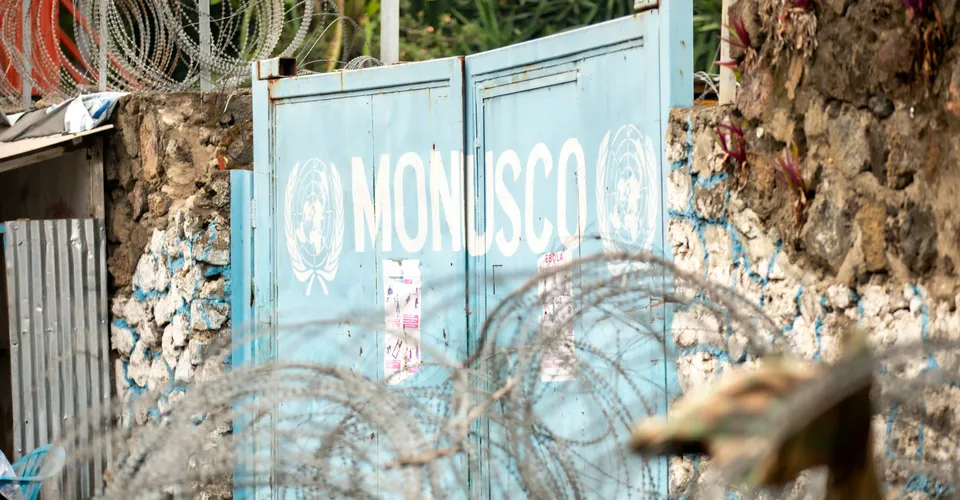
The Chad incident is what happens when state authority is weak enough that two families can wage a private war. It’s also what happens when water scarcity is real enough that people will kill for it.
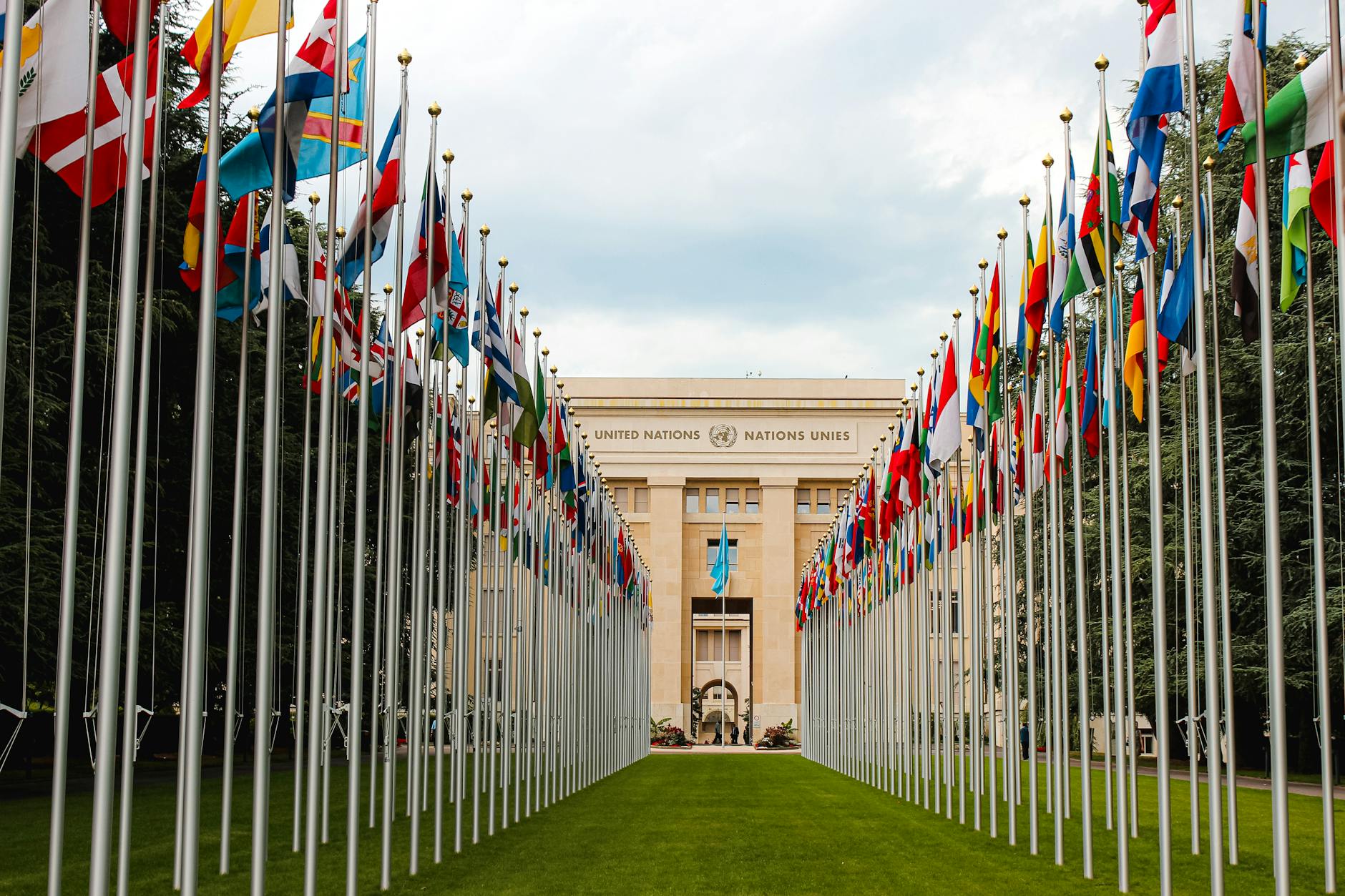 Photo by Mathias Reding / Pexels
The Gold Standard Nobody’s Talking About
Canada’s mint says it deals in “North American, impeccably sourced” gold. Then reporters found Colombian drug cartel gold in their supply chain.
I need to stop and say: I’m genuinely uncertain what percentage of the problem this represents. Is it systemic corruption or isolated bad actors? The headline doesn’t tell us. But here’s what it does tell us—the supply chains for precious metals are opaque enough that criminal organizations can hide contraband in plain sight at a NATO country’s government mint.
That’s either a catastrophic failure or a spectacular indictment of how meaningless “sourcing certifications” have become. Probably both.
This matters because it means sanctions enforcement is weaker than we think. If a drug cartel can sell gold to Canada’s Royal Mint, they can probably move money through other supposedly secure channels too. Assume your sanctions regime has bigger leaks than your intelligence agencies admit.
The Kingmaker Tests His Credentials
King Charles visiting Washington at a moment when US-British relations are genuinely strained. Not like the diplomatic theater version of “strained.” Actual tension. Queen Elizabeth II had to do the same thing after Suez in 1956—come to Washington and remind Americans that Britain still mattered, still had leverage, still deserved a seat at the table.
The fact that Charles is doing this now tells you the UK is worried. Worried enough to send the monarch.
I think this works. Monarchy still has symbolic weight in American political culture, even if we pretend it doesn’t. Charles will get meetings, shake hands, remind people of the “special relationship,” and probably stabilize things for 18 months. But it’s a patch job. The underlying problems—trade disputes, NATO burden-sharing arguments, post-Brexit economic friction—don’t get solved by a state dinner.
The Alliances We’re Not Talking About
Russia and North Korea just opened a memorial for North Korean troops killed in Ukraine and pledged to deepen military cooperation. Discussed long-term partnership.
Let me translate: they’re no longer transactional allies. They’re becoming strategic partners.
This is the moment where the Cold War architecture completely collapses. Russia and China are already close. Russia and North Korea getting closer means Moscow has a land border with someone crazy enough to use it. Means weapons testing. Means potential coordination on missile development. Means the US has to assume Russia’s military capabilities are being augmented by North Korean innovation in ways we don’t fully understand.
Why does this matter? Because it creates a new axis of instability. We’ve spent 75 years managing a bipolar or unipolar world. We’re moving into something weirder—a multipolar moment where the poles keep shifting and old allies aren’t reliable anymore.
Mali’s Descent Into State Collapse
Mali’s Defense Minister, General Sadio Camara, was killed by Islamist insurgents. He wasn’t peripheral. He was central to the country’s military government.
When you can kill the defense minister, the state has lost the monopoly on violence. That’s not a problem anymore. That’s the definition of state failure.
Mali’s been sliding toward this for a decade. French intervention didn’t work. Military coups didn’t work. Wagner Group contractors didn’t work. Now you’ve got a situation where the armed government can’t protect its own leadership from militant groups. That’s the endpoint of the spiral.
What I’m Watching
-
Iran oil premium through Q2 2024: Watch if crude hits $90/barrel on speculation about Strait of Hormuz disruption. If it does, the market’s priced in conflict, and someone will eventually supply what the market expects. That’s how self-fulfilling prophecies work in energy markets.
-
Canadian mint audits and supply chain visibility: If the gold scandal forces real transparency (not theater), it cascades. Other governments start looking at their precious metals. Other corruption surfaces. If nothing happens, assume sanctions against Russia and Iran are leakier than official numbers claim.
-
North Korea-Russia weapons transfers: Specific trigger—any credible reporting of North Korean components in new Russian missile systems or evidence of joint R&D facilities. That moves from “alliance deepening” to “military integration.”
-
King Charles’s polling numbers in the UK: If the Washington visit actually boosts his approval ratings, it means the monarchy still has soft power. If it doesn’t, the institution’s in more trouble than we think, and Anglo-American relations become an actual problem instead of a managed disagreement.
The old world where diplomacy happened in safe rooms and treaties meant something? That’s gone. We’re in a moment where negotiations fail publicly, alliances realign quietly, and a 31-year-old from California can still walk into a room full of politicians. The rules are rewriting themselves, and we’re all just watching it happen.