The Government's Vetting Problem Just Went Nuclear
Starmer claims ignorance on Mandelson while the Home Office hemorrhages credibility on immigration. Meanwhile, the Pentagon's asking Detroit for help building weapons. Welcome to accountability theater.
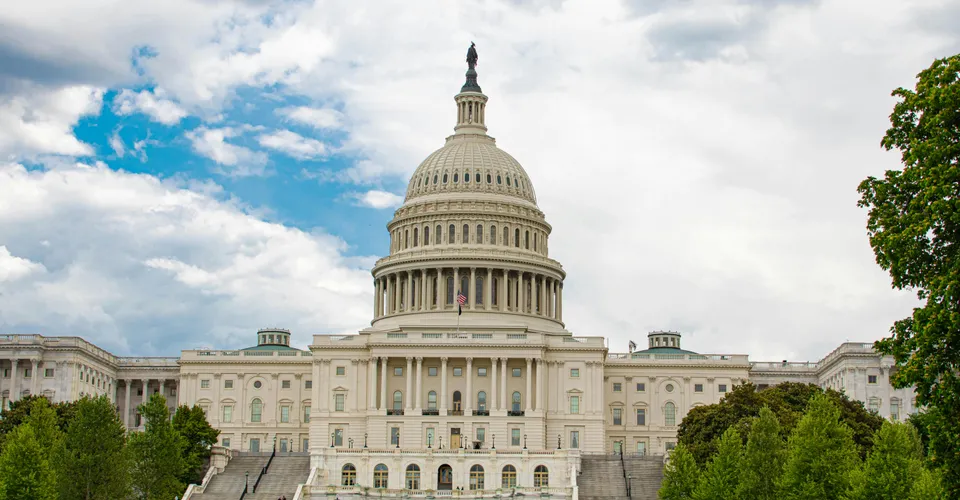
Let me start with what matters: a senior government official failed vetting and got the job anyway, and the Prime Minister says he didn’t know about it.
That’s not a procedural hiccup. That’s a credibility bomb.
The Foreign Office overrode its own vetting agency’s recommendation to bring Peter Mandelson into government. A spokesperson confirmed this happened—which means someone explicitly decided that the vetting people’s concerns weren’t disqualifying. And Keir Starmer’s team is now claiming the PM wasn’t briefed on this override.
Think about what that statement actually does. It either means:
- The Prime Minister’s office isn’t involved in vetting decisions for the Foreign Secretary—implying a stunning lack of control over who handles Britain’s diplomacy.
- Someone decided not to tell him his own vetting process was being overruled—implying the machinery of government is already broken.
- He knew and is now lying about it—which would be the third option, and the one that would matter most.
 Photo by Paula Nardini / Pexels
The Immigration Credibility Crisis
Meanwhile, the Home Office is investigating a BBC discovery: migrants are lying about domestic abuse to stay in the UK, and it’s working. The immigration system designed to protect vulnerable people is being weaponized as an escape hatch.
No 10 issued the standard response: they’re “working to ensure anyone potentially abusing our immigration system is held accountable.” Translation: We got caught. We’ll investigate ourselves and hopefully this blows over by next cycle.
Here’s what gets me: this is the second major immigration story in a week revealing the government can’t control its own borders or system. First the false claims. Then the vetting debacle. Both point to the same problem—the state’s lost enforcement power over the mechanisms it supposedly controls.
The SNP, meanwhile, announced they’re capping supermarket prices on essentials like bread and milk. Scotland’s going populist while Westminster’s explaining why its systems are leaking. One’s a crude policy, the other’s an admission of failure.
 Photo by Anna Keibalo / Pexels
Defense Contractors Are Running Out of Bullets
Here’s something barely anyone’s talking about: the Pentagon is so concerned about slow weapons production that it’s now asking Ford and General Motors—companies that haven’t been serious military manufacturers since World War II ended in 1945—to help make weapons parts.
This isn’t strategic diversification. This is panic. The U.S. military-industrial base, the thing that’s been America’s actual secret weapon for eighty years, can’t keep pace with demand.
You want to know why? Two reasons. First, the slow pace of production means weapons cost more than they used to. Second, there aren’t enough suppliers. So the Pentagon’s basically saying to Ford: “Hey, remember when you made jeeps? Can you do that again but for missiles?”
And Defense Secretary Hegseth just threatened to blockade the Strait of Hormuz against Iran “for as long as it takes.” He’s threatening civilian infrastructure attacks. He’s signaling indefinite economic warfare. All while the institution he runs is asking Detroit for help.
That’s not strength. That’s logistics failure wrapped in aggressive rhetoric.
The Trump Apparatus Gets Weirder
A bipartisan majority in the House voted to preserve deportation protections for Haitians. Trump would veto it. Everyone knows he’d veto it. They did it anyway.
This is symbolic resistance becoming actual resistance. It suggests there’s a real limit to how far the Trump agenda can push, even with him in the White House. The fact that some Republicans broke ranks matters more than whether the veto sticks.
The Commission of Fine Arts, meanwhile, approved Trump’s triumphal arch—but suggested removing some statues from the top. It’s like watching someone greenlight your vision while politely pointing out it looks a bit too much like what you actually wanted.
My read is the Commission knows how this plays. Approve it, suggest modifications, punt the hard call to the final vote. Call it “refinement” instead of “pushback.”
Here’s What I Actually Think
We’re watching the government—plural, both British and American—operate in reactive mode. Nothing’s planned. Everything’s a response to getting caught, or a reaction to external pressure, or a threat meant to sound stronger than the actual capability behind it.
Starmer’s vetting problem isn’t really about Mandelson. It’s about a government that came to power promising integrity and is already explaining why its own rules don’t apply to important people. That’s not new in politics. It’s just usually more subtle.
The immigration crisis is real. The BBC investigation proved it. But the government’s response—an investigation that’ll take months while the problem continues—is how you manage PR, not how you fix systems. You’d fix this by changing the rules immediately or prosecuting fraudsters visibly. Instead: “We’re looking into it.”
Pentagon talking to Ford isn’t a triumph of public-private partnership. It’s a confession that American defense production is bottlenecked. And Hegseth’s threats about blocking the Strait of Hormuz while the military can’t keep its own supply lines full is like threatening to destroy your neighbor’s house while your own roof’s collapsing.
I think we’re about six months away from the first serious international incident where American military capacity disappoints American strategy. I think Starmer’s government will survive the Mandelson thing but will spend the next two years explaining why their integrity pledge didn’t mean what everyone thought it meant. And I think the immigration fraud story doesn’t get better until someone goes to prison.
Actually, I’m genuinely uncertain about one thing: whether Starmer knew about the vetting override and lied, or whether his government’s actually that disorganized that he didn’t. Neither option is good. But I don’t have enough information to bet on which one it is.
What I’m Watching
The vetting agency’s next move. Did they formally object to the override? Is there a paper trail? If there is, this story’s not done. If there isn’t, the question becomes: why didn’t they fight it? Expect a leak within three weeks.
Whether the Immigration, Asylum and Nationality Tribunal actually changes its approach to domestic abuse claims. Not the investigation—the actual rule changes. If no changes appear by September, the BBC’s investigation was just embarrassment management, not reform.
The Pentagon’s first official contract with Ford or GM for weapons components. The date of the first award and the size of it tell you how serious this production crisis actually is. Above $500 million and we’re looking at genuine bottleneck. Below $100 million and it’s mostly theater.
Hegseth’s next Iran statement. Is he escalating or clarifying? If he goes harder, we’re on a real collision course with Tehran. If he walks it back slightly, he was doing theater. Watch for the word “civilian” in his next comment on targets—that’s where he reveals whether the blockade is actually designed to pressure Iran’s government or hurt regular people.