The Great Open Source Reckoning Is Here
Ubuntu's collapse, a million-download supply chain bomb, and the moment the tech industry realized it built on quicksand

Ubuntu just fell over for more than a day. That’s not a metaphor.
For anyone outside the industry, that might sound like a minor outage. For everyone else, it’s the kind of thing that makes you stare at Slack messages with your coffee getting cold. Ubuntu powers massive chunks of cloud infrastructure, developer environments, and enterprise deployments. When it goes down, things break everywhere—quietly, invisibly, and often without people knowing why.
But here’s what actually matters: that outage happened at almost the exact moment the industry realized it’s been living on borrowed time.
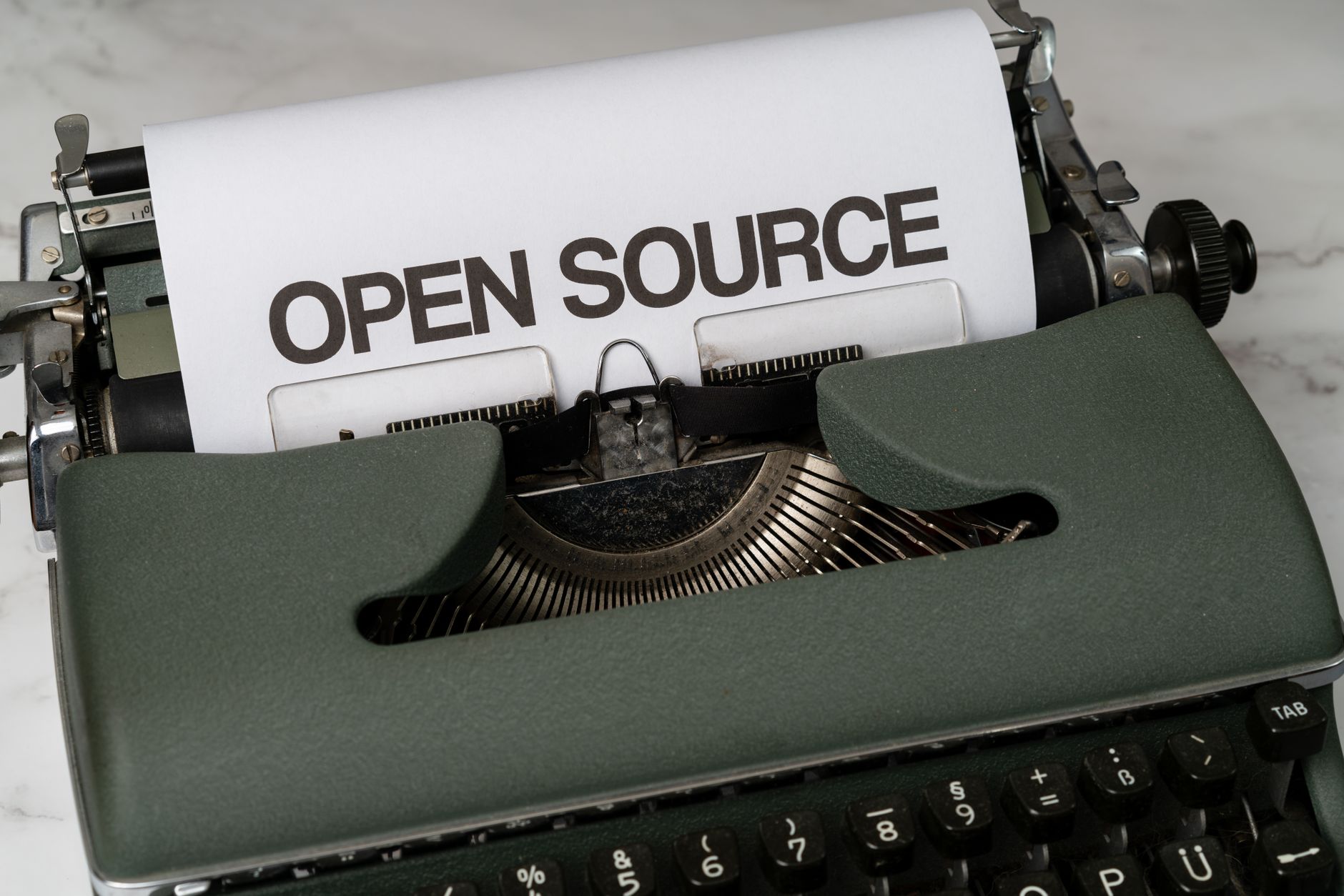 Photo by Markus Winkler / Pexels
The Supply Chain Caught Fire
A package with 1 million monthly downloads stole user credentials. Not hypothetically. Actually did it. And security firms—the people whose entire job is preventing this—got specifically targeted in a supply-chain attack. Checkmarx and Bitwarden weren’t random targets. Whoever orchestrated this knew exactly what they were doing.
This isn’t xkcd comic #2347 anymore, where one person maintains a critical library in their basement. This is industrial-scale sabotage hiding in plain sight.
The most severe Linux threat to surface in years caught the world flat-footed. That’s the phrase floating around, and it’s doing a lot of work. “Most severe in years” means we’ve got a measuring stick. We’ve seen bad before. This is worse.
My read: the open source ecosystem got so big, so fast, that nobody actually had the time or resources to secure it properly. We’ve been playing software Jenga for five years—pulling blocks out of the bottom and hoping the tower holds. Today, it didn’t.
 Photo by UMA media / Pexels
When Credentials Are Currency
The Checkmarx and Bitwarden targeting tells you something specific about how attacks have evolved. These aren’t random actors looking for customer data. These are operators who understand that access to security firms gives you leverage over entire industries.
Think about what you get if you compromise Bitwarden—the password manager trusted by millions of security-conscious users. You don’t just get those users’ passwords. You get the architecture of how companies manage secrets. You get patterns. You get roadmaps.
And Checkmarx? That’s static application security testing. They scan code. They find vulnerabilities. If you’ve got their systems, you know what vulnerabilities are being found—and not found—across Fortune 500 companies before the companies themselves do.
This wasn’t opportunistic. This was strategic.
The scary part isn’t that it happened. It’s that we can’t even measure how badly it happened yet. There’s no public accounting of what got exfiltrated, what was modified, what’s still sitting in what network. The supply chain attack happened. The discovery is ongoing. And some organizations probably don’t even know yet.
The University Porn Websites Thing Matters More Than You Think
Top university websites serving porn. The explanation: shoddy housekeeping.
Don’t laugh. This is the same pattern—same root cause as the open source nightmare. When you build something fast and it becomes important, you stop maintaining the perimeter. Universities didn’t lose control of their websites because of sophisticated hacking. They lost control because nobody was paying attention to domain registrations, DNS records, and abandoned hosting accounts.
Sloppy housekeeping at scale is how you get breached. Not elegant zero-days. Not nation-state APTs. Just… nobody checking the locks.
This is what keeps me up: if universities can’t manage their own digital properties cleanly, what’s happening inside the systems that run hospitals? Power grids? Banking infrastructure?
The answer, statistically, is: about what you’d expect.
The Other Side of the Coin
Here’s where I’ll be honest about what I don’t know: whether any of this actually matters to momentum in the industry.
Because while the supply chain was burning, Uber announced it wants to turn its millions of drivers into a sensor grid for self-driving companies. Replit’s talking to investors about valuations in the tens of billions. Meta bought a humanoid robotics startup. Musely just raised $360 million without giving up equity.
The world keeps moving. The hype cycle doesn’t pause for security disasters.
And maybe that’s rational. Maybe open source security and venture funding operate on different planes. Maybe addressing a supply chain attack doesn’t require pausing AI development.
But I think there’s a deeper story here. You don’t get to Uber’s sensor grid, or Meta’s humanoid robots, or any of the scaled infrastructure plays without running on open source. You don’t do it without dependency chains that go six levels deep. You don’t do it without trusting code you didn’t write, from people you’ve never met, in packages you’ve never audited.
The conversation about European startups getting attention (Lovable, Mistral, and 19 others) is happening while Linux is actively compromised. Replit’s wondering if it should sell to SpaceX for $60 billion while the foundation that everything runs on is actively being attacked.
It’s not that these things are incompatible. It’s that one conversation is happening in the sunlight, and the other is happening in the dark, and we’ve just become aware that the dark is a lot bigger than we thought.
 Photo by Denys Gromov / Pexels
What Actually Changes Now
Here’s my prediction: nothing dramatic. No Congressional hearings. No immediate industry-wide purges.
What you’ll see instead is quiet, expensive retrofitting. Companies will suddenly have budget lines for “security audits” and “supply chain integrity” that didn’t exist six months ago. Open source projects that were maintained by one person will get corporate sponsors. The vendor landscape shifts—companies that can afford to pay for security will, and the others will be left behind.
The developer experience gets worse for a while. More friction. More verification. More processes.
And then everyone adjusts, the headlines fade, and we move on to the next crisis.
The difference is: we now know, specifically, that the foundation is cracked. We’ve seen it. We can’t pretend the housekeeping is fine.
What I’m Watching
-
Ubuntu’s next major release timeline and adoption rates. If enterprises stick with current versions instead of upgrading, that’s a signal of lost confidence. Watch for delays in the next LTS release (April 2026) or missing corporate adoption announcements.
-
Regulatory response to supply chain attacks. Specifically: whether the FTC or EU regulators mandate open source security audits or liability frameworks within the next 18 months. This is the point where government could actually force change.
-
Enterprise open source spending. If corporations are genuinely spooked, watch for sudden jumps in enterprise SLA contracts, commercial support agreements, and self-hosted alternatives. Look for 30%+ YoY increases in companies buying “supported” versions of open source software.
-
The first major company to publicly disclose they were compromised by the supply chain attack and what they do about it. Silence is the real risk now. Someone’s going to admit this next month, and that admission will reshape how everyone else thinks about open source dependencies.