The Iran Ceasefire Is Already Falling Apart—and That's the Point
Trump got his pause. Israel got its war. The world got whiplash. Here's what just happened to America's credibility.
The ink wasn’t dry on the Iran ceasefire when Israel started bombing Lebanon.
Hours. That’s how long the two-week truce lasted before becoming something closer to a suggestion than an agreement. Israel’s large wave of air strikes across southern Beirut, southern Lebanon, and the Bekaa Valley arrived right as the US and Iran were supposedly stepping back from the brink. Iran immediately threatened to retaliate if the strikes weren’t halted. The Trump administration and Tehran now disagree about whether Lebanon was even covered by the deal.
This isn’t a ceasefire breaking down. This is a ceasefire that was never really a ceasefire in the first place.
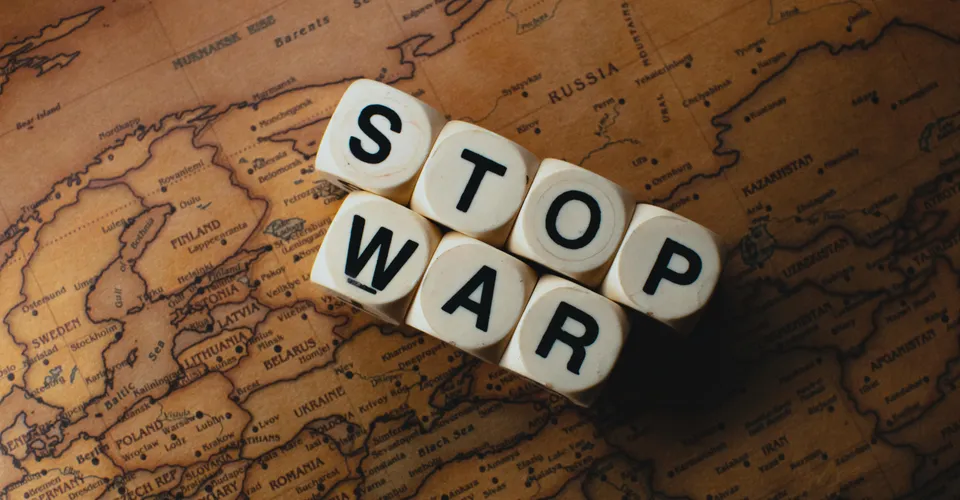
 Photo by Nothing Ahead / Pexels
What Actually Happened Here
Let me back up. More than a month after the US and Israel launched coordinated attacks on Iran, Trump announced a provisional two-week truce. The optics were clean: Trump, the dealmaker, pulled back from the edge of catastrophe. Markets loved it. Oil prices tanked by more than 15%. Stocks jumped. World leaders exhaled.
Then reality showed up.
The problem isn’t that the ceasefire failed—it’s that everyone signed onto something fundamentally different. The US and Iran agreed to a pause. Israel appears to have agreed to continue operations against Hezbollah, which Tehran backs. Those aren’t compatible positions. They’re not even close.
Iran’s threat to retaliate if strikes weren’t “immediately halted” signals they view Israeli attacks on Lebanon as a breach. The Trump administration’s confusion about whether Lebanon was included in the truce suggests either stunning incompetence or deliberate ambiguity. I’m not sure which is worse.
The Cost Trump Didn’t Price In
Here’s what keeps me up: this ceasefire just told the world something they suspected but now know for certain. American commitments depend entirely on Trump’s mood and his political calendar.
The headline put it bluntly: “Even as They Praise Iran Cease-Fire, World Leaders Are Whipsawed by Trump.” European and global leaders are caught between gratitude that the war paused and terror that it could restart on a whim. The war has already damaged their economies and destabilized their politics. Now they’re realizing they have no actual options for influencing how this ends.
One day Trump threatens to destroy Iran’s “whole civilization.” The next day, ceasefire. The day after that, Israel’s expanding operations anyway. If you’re leading France, Germany, or Australia, what do you plan for? You can’t. That’s the actual cost.
Compare this to 2015, when the US negotiated the Iran nuclear deal under Obama. That agreement involved Russia, China, the EU, and took years to craft. It held for three years after Trump withdrew from it in 2018. That deal wasn’t perfect—Iran argues it was never fully lifted—but at least it was stable enough that everyone knew the rules. This ceasefire? Everyone’s guessing.
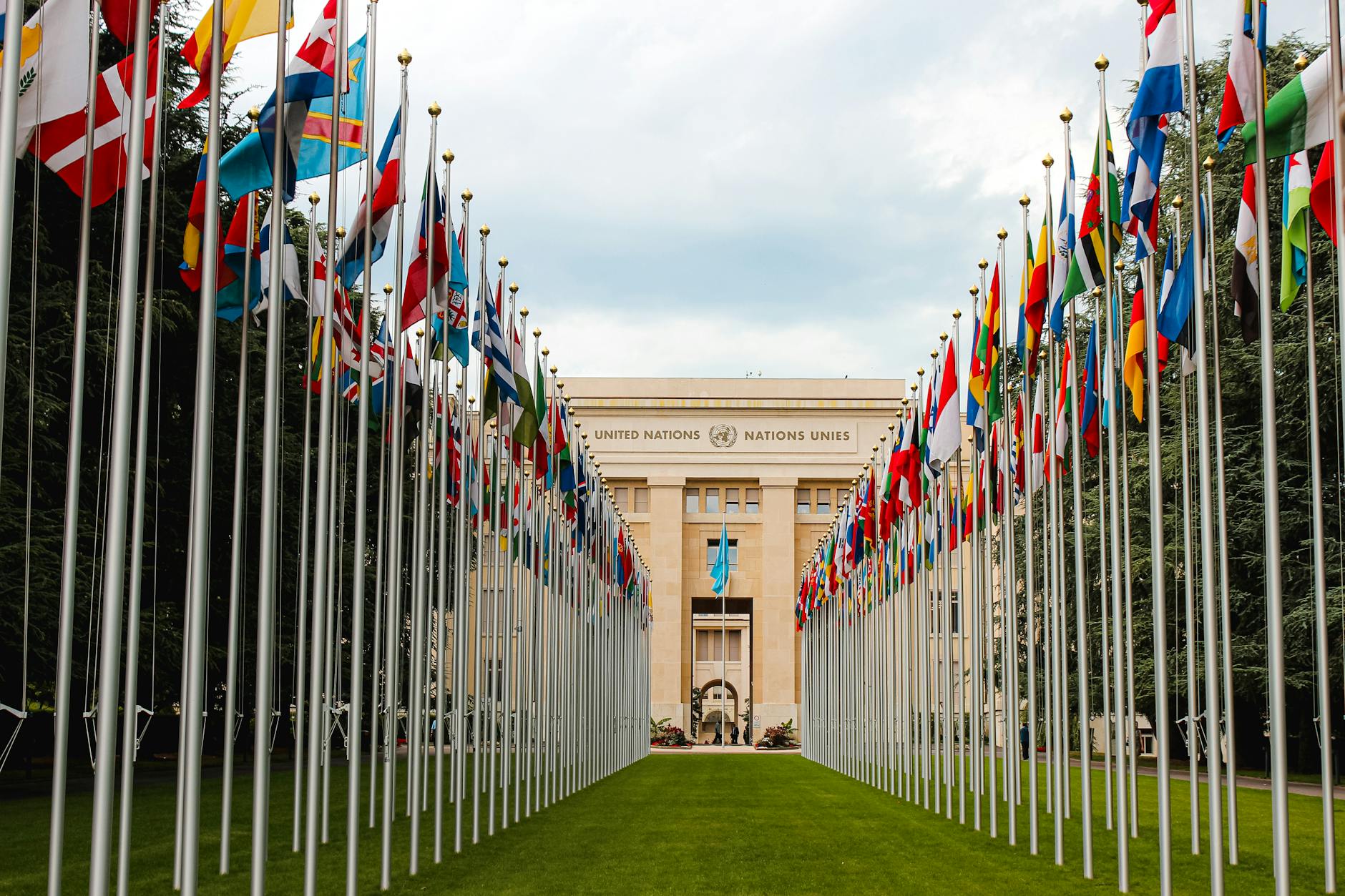 Photo by Mathias Reding / Pexels
The Inequality Is the Point
My read is that Trump needed an off-ramp more than Iran did. The US had launched strikes. An escalation spiral was possible. A pause made Trump look presidential without requiring anything permanent. Iran got a breather. Israel got to keep operating. And the world got to watch the US shift strategy based on domestic political needs rather than strategic consistency.
That’s not conspiracy thinking. That’s just how power works when one player cares about optics and the other cares about outcomes.
The markets reacted correctly to the ceasefire—crude prices fell—but they’re still “far higher than before the war,” according to the sources. That tells you something important: the fundamentals haven’t changed. Oil supply remains stressed. The risk premium is still baked in. Everyone’s just hoping the pause holds long enough for things to settle.
But the ceasefire was always going to test differently than a negotiated end to hostilities. A truce requires both sides to want it to stick. Here, you’ve got Israel conducting major offensives while the pause is supposedly in effect. That’s not a bug in the system. That’s the system working as designed—at least from Israel’s perspective.
What This Means for the Next Two Weeks
Genuine uncertainty here: I don’t know if Iran will actually retaliate or if this is calculated posturing. If they retaliate significantly, the ceasefire collapses, and we’re back to escalation. If they don’t, it validates their decision to take the pause and call Israeli strikes a violation they’re choosing to tolerate. Both outcomes are possible.
What I’m confident about: the ceasefire will not extend cleanly into a permanent settlement. Two weeks was always a holding pattern. The question is whether it holds for the full fourteen days or combusts earlier.
The broader loss here is harder to quantify but more serious. World leaders across Europe and the globe are now operating from a position of diminished agency. They can’t prevent conflict. They can’t enforce agreements. They can only react to Trump’s decisions and hope the resulting instability doesn’t spread to their own regions.
That’s a fundamental shift in how the international system works. Not toward multipolarity exactly—it’s weirder than that. It’s toward unpredictability as a feature of American foreign policy.
The Secondary Story Everyone Missed
Worth noting: Greece just announced a ban on social media for under-15s starting next year. Australia, Spain, and France are doing the same. This is barely making headlines compared to the ceasefire, but it tells you something about how democracies respond when they feel they’ve lost control of events. They pivot to things they can regulate. It’s not cynical exactly, but it’s definitely not a response to the actual crisis.
When geopolitics feels unmanageable, governments regulate what they can touch. Social media. Kids. Domestic spaces. It’s the foreign affairs equivalent of rearranging your apartment while the house is on fire.
What I’m Watching
-
The Strait of Confusion angle: Reports mention disagreement between Trump and Iran about whether the Strait (and broader shipping) is covered by the ceasefire. Watch for any incident in the Strait of Hormuz. That’s the flash point that could ignite everything immediately. Even a minor vessel incident becomes a test case.
-
Day 10 of the ceasefire: If we get past the first ten days without Iran’s threatened retaliation, the agreement has a chance. If something major happens before then, it never existed. Mark January’s third week on your calendar.
-
European response to Trump’s next move: Watch whether Macron, von der Leyen, or other EU leaders start building independent diplomatic tracks with Iran. If they do, that’s the real sign they’ve given up on coordinating with Washington and are preparing for a post-Trump world where America isn’t reliably part of the international system.
-
Oil prices: If crude stays elevated during the ceasefire, markets are still pricing in a restart. If it normalizes, markets believe Trump’s pause is genuine. That signal matters more than any official statement.
The ceasefire gave Trump a headline. It gave Israel a window. It gave Iran a break it might not have wanted. And it gave the world a preview of what happens when the most powerful country stops pretending to have principles, just interests.
That’s not inherently wrong. But it’s definitely not stable.