The Iran Ceasefire Just Handed Wall Street a Cheat Code
Tech stocks are soaring, industrials are crushing it, and Trump's unpredictability is the only thing keeping this rally real. Here's what actually matters.
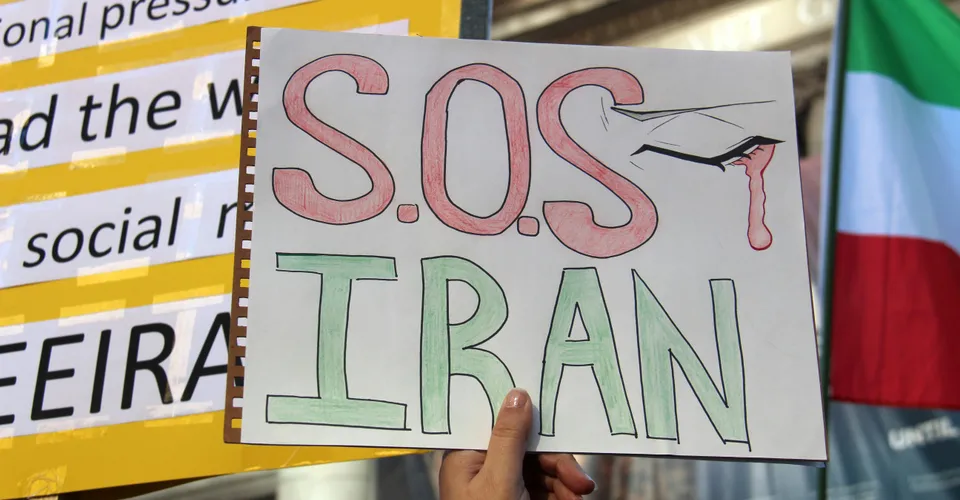
The Iran ceasefire just flipped the script on what traders thought would be a bloodbath year. And it’s not subtle.
When geopolitical risk suddenly evaporates, the market doesn’t ask permission—it just runs. Tech stocks are leading the charge because, well, the entire AI infrastructure spending cadence was getting priced for a World War III discount. Now that we’re not staring into that particular abyss, the companies already locked into the next two years of AI capex are getting revalued higher. Simple as that.
But here’s what’s actually fascinating: this isn’t a “crisis averted, everything’s fine now” moment. This is a “Trump negotiated something quickly, markets are repricing geopolitical assumptions, and now we’re back to figuring out what the actual economy is doing” moment. Those are completely different things.
 Photo by Sima Ghaffarzadeh / Pexels
The AI Play Nobody’s Talking About Enough
The Iran ceasefire didn’t just lower volatility. It exposed which stocks were already wired into the infrastructure spending wave. If you weren’t holding AI infrastructure plays through the uncertainty, you’re now chasing them at better prices than you’ll see next quarter.
Think about the timeline. Trump said he expects a “great deal” with Iran. The market heard “de-escalation” and started pricing out the oil-shock scenario. When oil doesn’t spike, companies don’t have to defend margins on energy costs. When geopolitical risk premiums compress, discount rates compress. When discount rates compress on growth stocks, multiples expand fast.
The Magnificent Seven are back leading the market higher after spending 2026 completely underwater. At one point this year, not a single Mag 7 stock traded at a higher price than it did at the start of the year while the S&P 500 climbed. That’s an indictment, honestly. It meant the market was rotating hard away from mega-cap tech. Now? The rotation’s reversing because the geopolitical bid for those names just came back online.
I think this is where people get the narrative wrong. The Mag 7 didn’t become winners because earnings suddenly got better. They became winners because the risk premium on American tech infrastructure plays just got cheaper.
 Photo by Markus Spiske / Pexels
Meanwhile, Industrials Are Doing Something Less Sexy But More Honest
Here’s the thing that actually matters for the real economy: industrials are up 13.3% over the past six months, beating the S&P 500 by 7.5 percentage points.
That’s not AI. That’s not geopolitical relief trades. That’s “people are building things and moving things.” When trucking stocks surge, it signals underlying economic strength. The trucks literally have been backed up on transports, which is a polite way of saying demand is real enough to create logistics bottlenecks.
Industrials are cyclical. They’re the first place risk-off traders go when recessions loom. So when industrials are outperforming—substantially—while the Fed is still somewhere north of neutral, you’re looking at a market that’s pricing “soft landing” or maybe even “modest acceleration” into the forward quarters.
Union Pacific won’t blow you away on yield. But its dividend yield sits well above its sector average, and there’s runway for payout growth if the economic backdrop actually holds. That’s the kind of play that screams “I’m not expecting a crash.”
The Trump Wildcard Nobody Can Model
Here’s where I admit I genuinely don’t know how this ends.
Trump’s been throwing around tariff politics like he’s got infinite political capital. He’s upset about the Supreme Court ruling that IEEPA tariffs were illegal and frustrated the government didn’t get to keep the tariffs already collected. Then he says he’ll “remember” companies that don’t seek tariff refunds—which, let’s be honest, sounds like he’s building a political enemies list based on corporate behavior.
That’s not how functional markets work. Markets like rules. Predictable rules. Even bad rules. What they don’t like is the possibility that your tax treatment might get worse because you didn’t lobby the administration hard enough.
Trump also said he’d love somebody to buy Spirit Airlines, and he’s been having “very good talks” with Anthropic about Department of Defense use. These are discrete moves that suggest he’s actively involved in corporate outcomes. That’s fine if you like it and terrifying if you don’t.
My read? Trump’s using corporate policy as a bargaining chip, and that creates both opportunities and landmines. The opportunities go to companies that align politically and operationally with his stated preferences. The landmines go everywhere else.
Photo by Markus Spiske / Pexels
What Actually Surprised Me
Trump himself said he was surprised by the stock market’s resilience. He thought the Dow would be down 20% in the Iran scenario. It didn’t happen. Instead, we got an Iran ceasefire, and suddenly the market’s repricing what the economic runway actually looks like.
That tells me Trump might’ve been as shocked by geopolitical risk being overpriced as anyone else. And if the guy in charge is surprised in your direction, you take it. You don’t ask questions. You just sit with winners until the next shoe drops.
The risk here isn’t that the ceasefire falls apart tomorrow. It’s that markets are now pricing an almost too-clean resolution. Geopolitical situations are rarely clean. They’re messy. They have follow-on effects. When markets price too much optimism into one direction, they get blindsided when reality’s more complicated.
The Honest Take
I think what’s happening right now is a repricing away from “world on fire” toward “world is fine, let’s talk about quarterly earnings again.” That’s not nothing. But it’s also not permission to go all-in on tech multiples that have already started expanding.
The industrials play feels more grounded. Actual demand for logistics and equipment doesn’t care about geopolitical relief rallies. It just cares about whether people are buying things. And they are.
If I had to bet money, I’d say the next 90 days are about which companies can prove the Iran ceasefire didn’t just pull forward demand that’s already been spent. Because the ceasefire is the event. The question mark is whether the business actually improves underneath the headline.
What I’m Watching
-
AI infrastructure capex announcements in Q1 earnings — If the geopolitical relief actually translates to accelerated spending commitments, the Mag 7 rally has legs. If capex guidance stays flat, the rally was a multiple-expansion event that’s already priced in. Watch for specific numbers from Nvidia, Meta, and Microsoft on capex budgets.
-
Trucking volume trends through March — Industrials are leading on the assumption demand is strong. Transportation data lags by 4-6 weeks, so late-February and March tonnage reports will tell us if this is real or if we’re seeing seasonal bounce. I’m watching American Trucking Associations data specifically.
-
Trump tariff policy clarity by Q2 earnings season — If he actually implements new tariffs or clarifies the “remember” threat into actionable policy, cyclicals either rally (if tariffs help domestic manufacturing) or crater (if they hit margins). The ambiguity right now is pricing opportunity. Once it’s clear, it’s not.
-
Anthropic/Pentagon defense deal announcement timeline — Trump’s been talking to Anthropic about DoD use. If that converts to an actual contract in the next 6-9 months, it’s a massive credibility boost for AI infrastructure spending within government. Watch for Section 889 compliance issues and contract timing.