The Iran Talks Are Happening. Nobody Knows If That Matters.
Trump and Tehran are negotiating in Pakistan while seizing ships and attacking each other. It's either diplomacy or theater—and the markets can't tell the difference.
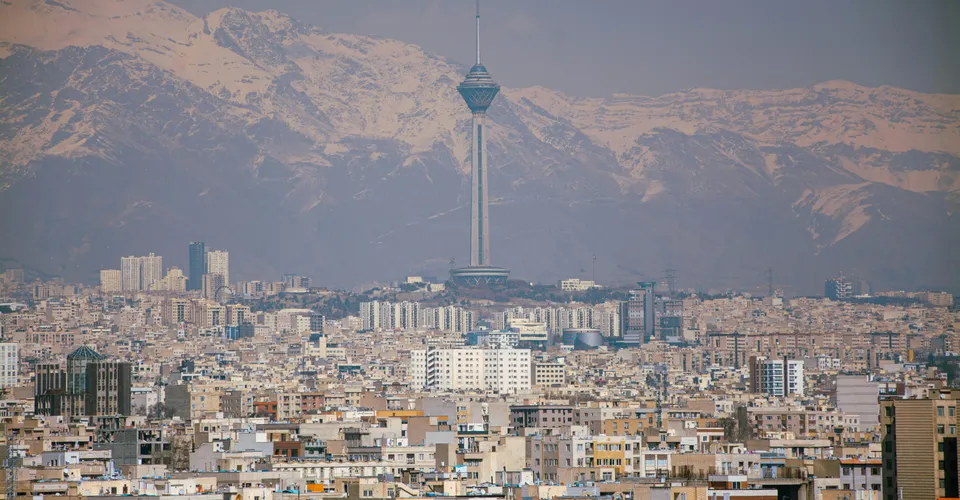
JD Vance is flying to Islamabad on Tuesday with a team of US negotiators. Iranian officials are also heading there. They’re going to sit in a room together and talk about not destroying each other. That’s where we are.
This is genuinely strange because just days ago, the US was seizing Iranian ships. Trump said it himself. Oil prices spiked. The markets treated it like we were one miscalculation away from something very bad. And now? Now there’s a scheduled meeting in Pakistan like nothing happened.
My first instinct is to call this posturing. But I’ve watched enough of these things to know that the weird ones sometimes work.
The Ship, the Seizure, and the Signal
Let’s establish what actually occurred. The US intercepted an Iranian vessel in the Gulf as part of what the Trump administration calls a naval blockade. Trump announced it publicly. Energy markets responded immediately—oil prices rose, traders got nervous, the physics of geopolitics moved the needles on trading floors from Singapore to London.
This wasn’t subtle. You don’t leak a ship seizure to the media unless you want the other side to know you’re willing to act unilaterally. Iran absolutely noticed. So did everyone watching.
But here’s the thing: Iran didn’t retaliate. They didn’t launch missiles or attack US assets. Instead, Iranian officials started signaling they’d show up to talks in Pakistan.
 Photo by Mehdi Salehi / Pexels
I’ll be honest with you—I’m not entirely certain what that means. It could mean Iran is genuinely interested in negotiation. It could mean they’re buying time. It could mean they want to appear reasonable while building leverage for something else. When you’re reading signals from a regime that runs on opacity, you’re always partially guessing.
What I do know is that this pattern—a show of force followed by diplomatic overture—is the script for when both sides are genuinely afraid of escalation. During the Cuban Missile Crisis in October 1962, Kennedy and Khrushchev combined maximum military threat with back-channel communication. It sounds contradictory. It works when everyone’s actually scared.
The question is whether Trump and the Iranian leadership are actually scared, or whether they’re performing fear for domestic audiences.
The Energy Markets Are Voting
Oil prices didn’t stay elevated. They rose on the seizure announcement, then stabilized. That’s a tell.
If traders genuinely believed war was coming, oil would be trading north of $100 a barrel, staying there. Instead, the market is treating this as elevated risk with an off-ramp. Energy analysts are nervous but not panicked. That suggests the smart money—the people whose actual capital is on the line—thinks there’s maybe a 60-40 chance this doesn’t spiral into open conflict.
That’s not a vote of confidence. That’s a market saying it’s hedging its bets because the outcome is genuinely uncertain.
The Timing Question
Here’s what’s strange about the Pakistan talks being scheduled now: Trump’s administration is simultaneously reshaping foreign policy in other directions. Saudi Arabia is pulling back from its grandiose Vision 2030 ambitions and reassessing. Argentina’s president is winning the inflation fight and pivoting toward what he sees as values transformation. These aren’t random shifts—they suggest a broader recalibration of how Washington’s allies and competitors are calculating their moves.
Saudi Arabia particularly matters here. For years, the Saudis have been the counterweight to Iranian regional power. If Riyadh is tightening its belt and getting more pragmatic, it has less appetite for expensive regional conflict. That changes the calculus for Iran. A weakened Saudi economic position means Iran has less incentive to provoke immediate US-Saudi collaboration against Tehran.
My read: The Saudis signaling financial strain and strategic reassessment might’ve actually made the Iranians more willing to talk, because they can’t assume Gulf allies will automatically back a US military response.
What Could Actually Come From Islamabad
The most likely outcome is that these talks produce some kind of framework agreement that allows both sides to claim they prevented catastrophe. It’ll probably involve some commitment to naval de-escalation, maybe a UN-mediated mechanism for handling maritime incidents, possibly some discussion of sanctions relief tied to Iranian behavior on nuclear development.
Will it hold? Probably not forever. But it might buy six months. Six months is enough time for other things to shift—domestic politics in both countries, regional alignments, the economic situation.
The less likely but more consequential outcome is that these talks fail because someone positions this as a win-or-lose negotiation instead of a risk-reduction exercise. If either side walks in demanding something the other can’t give without losing face, Islamabad becomes the moment we’ll point to when describing how things fell apart.
 Photo by Mathias Reding / Pexels
The genuinely unexpected outcome would be some kind of genuine détente. Like, actual normalization of some sectors, opening of some channels that have been closed, maybe even movement toward reducing US military presence in the Gulf over time. That seems remote, but I’ve been surprised before. Reagan and Gorbachev weren’t supposed to work either, and then something shifted in 1985 and the whole thing accelerated.
The Real Test
Ukraine is using robots to do what soldiers used to do because it doesn’t have enough people. Japan is bracing for a second earthquake because the first one broke things we didn’t know were fragile. The UK’s Prime Minister is being grilled in Parliament about security clearances for his own team.
None of that changes because of talks in Pakistan. But it does change the bandwidth that nations have for conflict elsewhere.
If Trump’s administration is genuinely trying to de-escalate with Iran while also maintaining military pressure, that’s actually a more sophisticated strategy than “maximum pressure until something breaks.” It’s the kind of thing that works if both sides believe the other side is also trying to avoid catastrophe.
I think that’s what Tuesday’s meetings will test: whether Trump and the Iranian regime both actually prefer negotiation to escalation, or whether they’re just doing the moves while preparing for something worse.
My prediction: The Islamabad talks produce a provisional agreement by late March. It holds through spring. Then something—either a regional incident, domestic politics, or a shift in one of the negotiators’ positions—upends it by June.
But I genuinely don’t know. Neither does anyone else who’s being honest.
What I’m Watching
-
The Vance arrival and Iranian delegation confirmation (Tuesday): If either side doesn’t show or delays, that’s the first signal that public commitment to talks was theater. Watch for actual presence on the ground, not just “delegation traveling.”
-
Oil price movement through March: If talks are genuinely progressing, oil should drift downward as risk premium decreases. If it stays elevated or spikes again, the market’s telling you the back-channel negotiation has stalled.
-
Saudi Arabia’s next military spending announcement: If Riyadh further reduces military expenditure or reduces Gulf deployments, that removes a key pillar of regional escalation dynamics. Watch their defense budget revisions over the next quarter.
-
Any Iranian retaliation for the ship seizure by mid-April: If Tehran retaliates for the naval blockade through proxy action or a direct response, the talks have already failed even if people are still meeting. That’s the hard deadline that tells you negotiation was just delay.