The Market's Holding Its Breath on Iran—And That's a Problem
Ceasefire whispers are lifting oil and stocks, but one binary outcome could blow it all apart. Here's what's actually at stake.
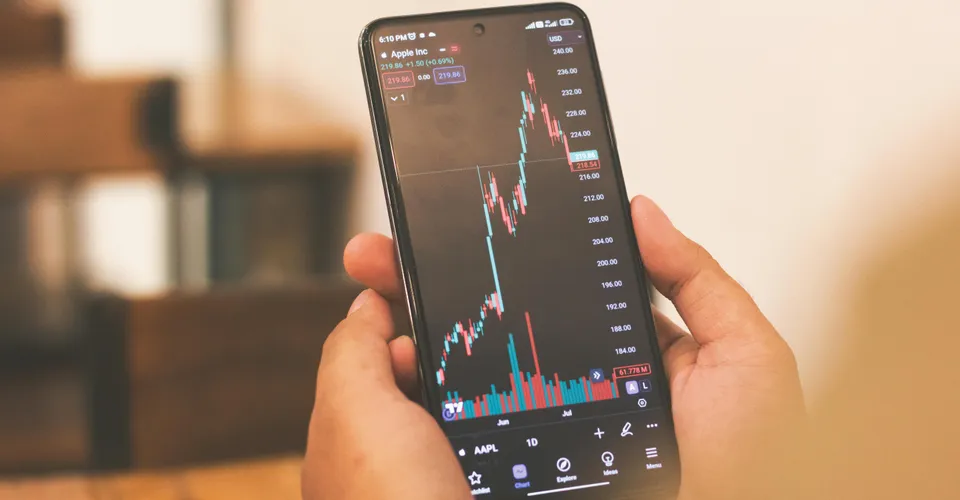
The stock market is doing that thing it does best: pricing in hope while sitting on a powder keg.
US equities are muted. Oil’s dipping. Ceasefire proposals are floating around like peace offerings at a hostile family dinner. And everyone’s acting like the worst is behind us. Spoiler alert: we won’t know for another week or so.
Here’s what’s actually happening underneath the surface calm. Investors are scrambling to position for what amounts to a coin flip—either a deal materializes with Iran and we all breathe easier, or escalation happens and the market gets punched in the gut. Binary outcomes are the enemy of rational pricing, and right now we’re swimming in them.
The Middle East ceasefire chatter has knocked some air out of energy prices, which makes intuitive sense. Less geopolitical risk means less risk premium baked into every barrel of crude. But oil’s decline isn’t really the story here. The story is that markets are desperately hoping this resolves, because if it doesn’t, the disruption potential is massive—and not just for energy.
 Photo by indra projects / Pexels
When Geopolitics Turns Into Portfolio Risk
Here’s where it gets interesting. India just resumed oil and gas imports from Iran after seven years. That’s not a random footnote. That’s India signaling it’s willing to hedge against US-centric supply chains and rebalance toward Tehran. Think about that for a second. A country with 1.4 billion people is basically saying, “We’re not betting everything on Western geopolitical preferences anymore.”
This cuts both ways. If escalation happens, India’s newfound Iran connection could insulate it from the worst oil shocks—which would protect certain equity markets but also complicate any unified Western response. If a deal happens, India looks prescient and gains leverage. Either way, the old playbook of “US leads, allies follow” gets messier.
JPMorgan’s Jamie Dimon mentioned geopolitical risk in his annual letter to shareholders. He wasn’t being alarmist; he was being observant. The man runs the largest bank in America and he’s explicitly calling out that something’s unsettled. When a CEO like that raises his hand in a shareholder letter, it’s not theater—it’s a warning flag for institutional investors.
What makes this moment different from, say, 2003 or even 2011? Volatility is embedded everywhere now. You’ve got momentum-driven trades that evaporated in Q4 2025 when sentiment shifted. Major indices are sitting near all-time highs but with “significant shifts” happening in the background. Translation: the foundation’s shakier than the headlines suggest.
 Photo by Markus Spiske / Pexels
The Fed Wildcard Nobody’s Talking About Enough
Kevin Warsh’s Senate nomination is moving forward, which matters because Trump has competing plans for the Fed and they’re about to collide. This isn’t abstract. The Fed’s going to have to navigate interest rate policy in an environment where geopolitical shocks could crater demand one day and spike inflation the next.
Warsh represents a particular flavor of thinking about monetary policy. A committee member’s still planning to block him, which suggests real disagreement about where the Fed goes from here. That kind of institutional friction matters when you’re trying to thread the needle between inflation and growth in a crisis.
I think what’s underappreciated is how much a geopolitical flareup would force the Fed’s hand toward accommodation, just when they might want flexibility. If Middle East escalation spikes oil to $90 or $100 a barrel, equities tank, and suddenly the Fed can’t hike—they’d have to cut or hold. That’s a hostile dynamic for long-duration assets and growth stocks that’ve already repriced higher.
The Copart Situation Is Telling You Something
Copart just slid on declining insurance customer volume. That’s not a stock-specific story; that’s a demand indicator. Insurance companies are pulling back on claims processing and auction volumes, which suggests either they’re seeing fewer total loss vehicles (good for the economy) or they’re being cautious about capital deployment (bad). My read is it’s the latter. When insurers tighten, it usually precedes broader caution.
Meanwhile, momentum-driven themes are being reassessed. Wingstop and other QSR plays are getting dissected by sophisticated investors. Nothing’s broken, but nothing’s screaming “buy” anymore either. That’s the market equivalent of someone leaving the party early—not a crisis, just a signal that the vibe’s shifting.
Here’s what I genuinely don’t know: whether the ceasefire talk is real diplomatic progress or theater to keep markets calm while positions get adjusted. The headlines tell me investors are on tenterhooks. That language—“tenterhooks”—means no one’s confident. And when you’ve got near all-time-high valuations coupled with genuine uncertainty about geopolitical escalation, you’re not looking at a healthy setup.
Photo by Markus Spiske / Pexels
The Penny Stock Temptation
The headlines mention penny stocks as a “relevant investment area” given all this chaos. That’s not wrong, but it’s dangerous. When macro uncertainty spikes and flight-to-quality accelerates, tiny caps get crushed first. Yes, they can bounce hard on de-escalation. But that’s a trader’s game, not an investor’s. If you’re thinking penny stocks right now, you’re already assuming the best case happens. That’s not strategy; that’s hope.
One sentence: Hope is not a position.
The TSX and S&P 500 rebounded last week after March weakness, but “rebounded” doesn’t mean “resolved.” It means they caught a bid. Entirely different thing. Markets can rally on ceasefire whispers and then crater on escalation headlines. We’re not pricing in stability; we’re pricing in the latest news cycle.
What I’m Watching
-
Iran deal timeline (next 7-10 days): This is a hard binary. Trump’s ultimatum and “signals of a possible deal” need to crystallize into actual progress by mid-week, or risk premium goes back into oil. Watch Brent crude. If it breaks above $80 and holds, escalation’s being priced in. Below $75 means the market’s calling the deal.
-
Insurance claims data and Copart’s next quarter: If auto loss frequency stays soft and insurers keep pulling capex, that’s a genuine demand slowdown signal that contradicts the “near all-time highs” narrative. Their next earnings call will tell you whether this is temporary caution or structural pullback.
-
Warsh confirmation vote: A messy Fed confirmation process while geopolitical risk is elevated is the last thing equities need. Watch for signs of real friction between Trump’s people and traditional Fed hawks. That tells you whether monetary policy will have the flexibility to cushion a shock.
-
India-Iran import trajectory: Less obvious, but critical. If India’s Iran imports accelerate, it signals geopolitical decoupling is real and the West’s unilateral leverage is eroding. That changes the calculus for sanctions, oil prices, and allied coordination in any escalation scenario.
The market’s not scared yet. It’s waiting. There’s a difference. Scared markets sell. Waiting markets freeze. And frozen markets crack when the news finally breaks one way or the other.