The Market's Holding Its Breath While the Real Action Happens Elsewhere
Trump's Iran threats, Tesla's collapse, and a Fed chair in trouble—here's why this week matters more than Friday's rally suggests
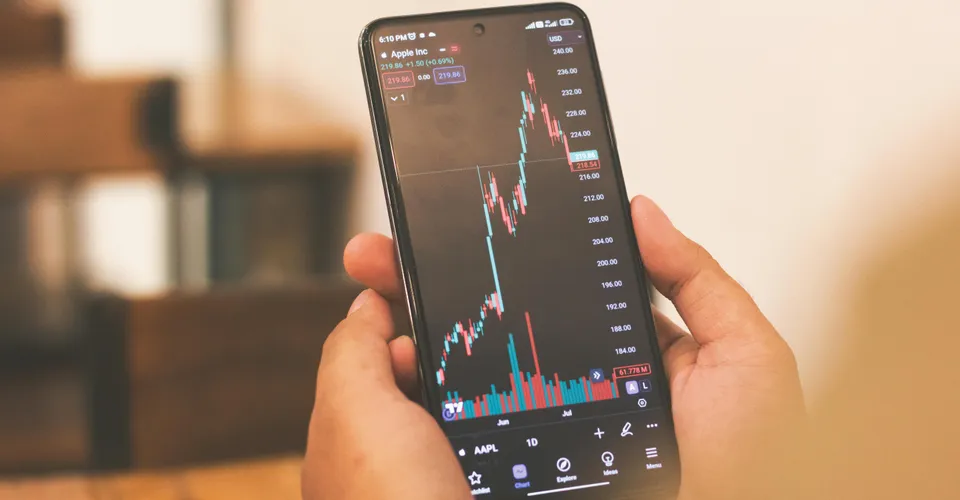
The market’s acting like everything’s fine. Futures are up, Asia and Europe rallied Friday, and nobody wants to talk about the bomb in the room.
That bomb is Iran. That bomb is also Tesla. And frankly, that bomb might be the Federal Reserve’s next chairman.
Let me connect some dots that the sell-side isn’t putting together yet.
Trump’s Playing Checkers While Oil Markets Play Chess
Trump demanded Iran “stop now” on the Strait of Hormuz pricing scheme. That’s not diplomatic language—that’s a threat dressed up as a demand. Meanwhile, oil slipped below $100 on the news, which tells you exactly what the market thinks: this gets resolved, or it doesn’t, but either way we’re not seeing $150 oil tomorrow.
Here’s the thing nobody’s saying out loud: oil below $100 is actually worse for market clarity than oil at $110.
When oil’s elevated, traders price in real risk. When it’s complacent, they’re guessing. Wall Street futures “wavered” Friday as traders awaited ceasefire negotiations—that’s financial journalist code for “everyone’s uncomfortable but nobody wants to be first to sell.” That’s the setup for a violent move in either direction.
The first-quarter data is already in the record books. Investors got hammered by the Iran war oil shock. Even the best mutual funds couldn’t hide from the stock market drop. So we’re not talking about forward risk anymore—we’re talking about whether there’s another shock coming. Trump’s rhetoric suggests there might be. Oil staying below $100 suggests the market thinks probably not.
I think the market’s wrong to be complacent here, but I also think oil staying below $100 is actually the least weird thing happening this week.
 Photo by indra projects / Pexels
Nvidia’s Winning While Tesla’s Losing Its Last Lifeline
Taiwan Semi just beat sales expectations. Nvidia’s benefiting from sustained demand for AI chips. The semiconductor story is real, it’s happening, and it’s not getting derailed by geopolitical noise.
But Tesla? Tesla’s in an 8-week losing streak and just lost key support from options trading that kept it afloat in the past.
Read that again. Not because Tesla’s fundamentals collapsed. But because the structural support from options trading has evaporated. GLJ Research analyst Gordon Johnson has been documenting this—options activity that previously cushioned the stock is gone in 2026. That’s not technical analysis theater. That’s the mechanical plumbing of the market saying: “We’re not going to catch this thing anymore.”
This matters because it’s the opposite of what happened with Nvidia. Palantir stock is up 550% over five years and people are asking if it’s too late to buy. Tesla’s getting shorter by the week. Both are “AI adjacent.” One’s still riding tailwinds. One’s flying through a windshield.
My take: Tesla’s going to test $120 before it stabilizes, and when it does, it’ll be because Elon does something spectacular or the Fed cuts rates hard. Not because options traders suddenly remember how to support the stock.
The Kevin Warsh Nomination Might Be the Real Bombshell
Here’s what’s not getting enough attention: Kevin Warsh’s Federal Reserve chair nomination is already hitting problems, and we haven’t even had a real hearing yet.
Senator Thom Tillis is blocking the hearing over a probe of Jerome Powell. That’s a delayed nomination hearing for the nation’s next central banker while geopolitical tensions are simmering, the oil market’s confused, and Tesla’s collapsing on technical support.
The market’s pricing in a 2027 recession with 70% confidence. It’s pricing in rate cuts. It’s not pricing in the uncertainty of having a Fed chair confirmation in limbo while all this chaos unfolds. That’s the kind of vagueness markets hate.
If Warsh gets confirmed smoothly, he’ll inherit an institution in the middle of its most uncertain cycle since 2020. If he doesn’t get confirmed on schedule, we’ll have Jerome Powell in a lame-duck position while Trump’s demanding things of him on every lever of government. Neither scenario is clean.
 Photo by Markus Spiske / Pexels
BlackRock’s Sneaky Move That Nobody’s Talking About
BlackRock’s rolling out liquid alt ETFs using long-short strategies. That’s not news because they invented it—that’s news because they’re applying it to the retail ETF market at scale.
When the biggest asset manager on Earth decides retail needs hedging tools, it’s because they think the environment warrants hedging. BlackRock doesn’t make moves like this because times are calm. Jeffrey Rosenberg’s leading this, and he doesn’t waste capital on products that won’t sell.
Translation: institutions are preparing for a market where you can’t just buy and hold the Mag 7 and nap.
The USPS Postage Stamp Tells You Something Weird
The Postal Service is facing a severe financial crisis and could run out of money early in 2027. They’re hiking stamp prices to 82 cents in July.
Why mention this in a market column? Because it’s a visible canary in a coal mine of government spending problems. If the USPS is tapping out, what does that say about the fiscal runway for everything else? Trump’s administration is going to face some unpleasant choices on spending versus borrowing costs. Those choices affect equity valuations.
It’s not direct. It’s not Palantir’s earnings miss. But it’s the kind of structural stress that shows up in GDP forecasts six months later.
My Read On All This
The market’s rallying on geopolitical relief while ignoring structural stress. Oil below $100 isn’t victory—it’s complacency. Tesla’s technical breakdown is real. The Fed chair nomination hanging in air is a genuine problem. And the best asset manager in the world is quietly preparing their clients for rougher markets.
I think we get one of two outcomes: Either Trump backs off Iran rhetoric and we get a boring spring with the Mag 7 carrying markets higher. Or something breaks—ceasefire talks collapse, oil spikes, Tesla finds no support at any price, and Warsh’s confirmation becomes a sideshow in a broader market reset.
The odds favor outcome one, but outcome two isn’t some 5% tail risk. It’s maybe 30-40% of the probability distribution.
If I’m managing money here, I’m raising hedges. Not enough to miss the rally. Just enough to not look stupid when one of these dominoes falls.
Photo by Markus Spiske / Pexels
What I’m Watching
-
Strait of Hormuz tanker pricing and Trump’s next statement on Iran: Watch for any actual disruption in shipping or Iranian response. If Trump escalates verbally and oil stays below $100, it means the market thinks he’s bluffing. If oil spikes above $105 on his words, the risk premium is back.
-
Tesla’s support at $120 and whether options activity ticks back up in March: If Tesla bounces here with no options flow picking up, that’s a dead cat bounce. If options traders step in, the stock’s found a floor. This is your early warning system for whether the options market is permanently repricing Tesla or just taking a breather.
-
Kevin Warsh’s nomination hearing schedule: Tillis’s obstruction is buying time for some resolution to the Powell probe, but if we’re still waiting in late March with no hearing scheduled, that’s a signal the Trump administration and Senate aren’t aligned on Fed policy going forward.
-
BlackRock’s liquid alt ETF flows through Q1 earnings: Track inflows here. If retail’s piling into hedged strategies, it means institutions expect volatility. If flows are tepid, it means they think the rally’s safe. That’s institutional confidence translated into actual capital movement.