The New Great Game: Why Japan's Weapons Push Changes Everything
Japan abandons 80 years of pacifism while Iran and the U.S. teeter on the brink. What looks like separate stories is actually one massive shift in global order.
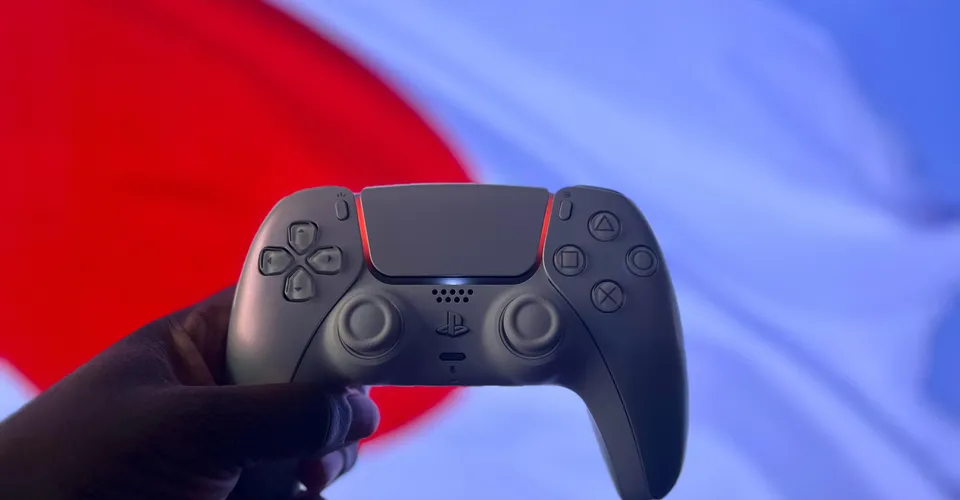
Japan just walked away from something most nations take for granted: the ability to sell weapons anywhere it wants.
For nearly eight decades—since 1945—Japan has treated arms exports like a third rail. Pacifism wasn’t just policy. It was identity. The constitution, the education system, the national mythology. All of it pointed in one direction: Japan makes cars and electronics. Not instruments of war.
That ended last week.
Prime Minister Sanae Takaichi reversed the limits on arms exports, clearing the way for Japan to sell weapons to more than a dozen countries. The official reasoning is tidy: China’s getting aggressive, and the U.S. is unpredictable. Both true. But the timing tells you something else is happening. This isn’t about Tokyo suddenly discovering Beijing’s a problem. China’s been a problem. What’s changed is that Japan now believes the post-1945 order—the one that let it hide behind American security guarantees—is actually collapsing.
Meanwhile, on the other side of the world, Vice President JD Vance was supposed to return to Pakistan for peace talks with Iran this week. Note the uncertainty in that sentence. Iran hasn’t confirmed its negotiators will show up. Trump says the U.S. won’t lift the Hormuz blockade until there’s a deal. The cease-fire is nearing its end. Everyone’s staring at everyone else, waiting for someone to flinch.
These two stories—Japan arming up and Iran/U.S. talks teetering—aren’t separate. They’re two snapshots of the same picture: the world’s major powers all coming to the same conclusion at once. The rules that governed the past 30 years don’t work anymore.
 Photo by Déji Fadahunsi / Pexels
The Pacifism Gamble That Actually Worked
Let’s be clear about what Japan did for 80 years. It didn’t just avoid selling weapons. It chose to be weak in a way that was strategically brilliant.
During the Cold War, this made sense. The Soviet Union was the real enemy, and Washington needed Japan as a forward base. Tokyo could focus on becoming a manufacturing powerhouse while America handled security. Brilliant trade-off. Japan got rich. America got containment.
Even after 1991, when the threat evaporated, the system held. China was still “rising” in theory, but it was integrating into the global economy. The U.S. was the only superpower. Japan could keep selling Toyotas and Hondas, avoid the messy business of military exports, and stay on the right side of international law (the Arms Trade Treaty stuff). Clean hands. Clean margins.
But here’s what shifted: the “unpredictability from its main ally” part. That’s the phrase used in the headlines. Not hostility. Not withdrawal. Unpredictability.
Japan watched Trump’s first term. Watched him threaten to pull troops out of Korea, mock NATO, cozied up to strongmen. Then he lost an election, claimed it was stolen, and incited a riot. For a country whose entire security architecture rests on an American security guarantee, this is roughly equivalent to discovering your home insurance company’s CEO is in jail. The policy might still be valid, but you start thinking about extra locks.
So Japan’s not arming to replace America. It’s arming because America might not show up.
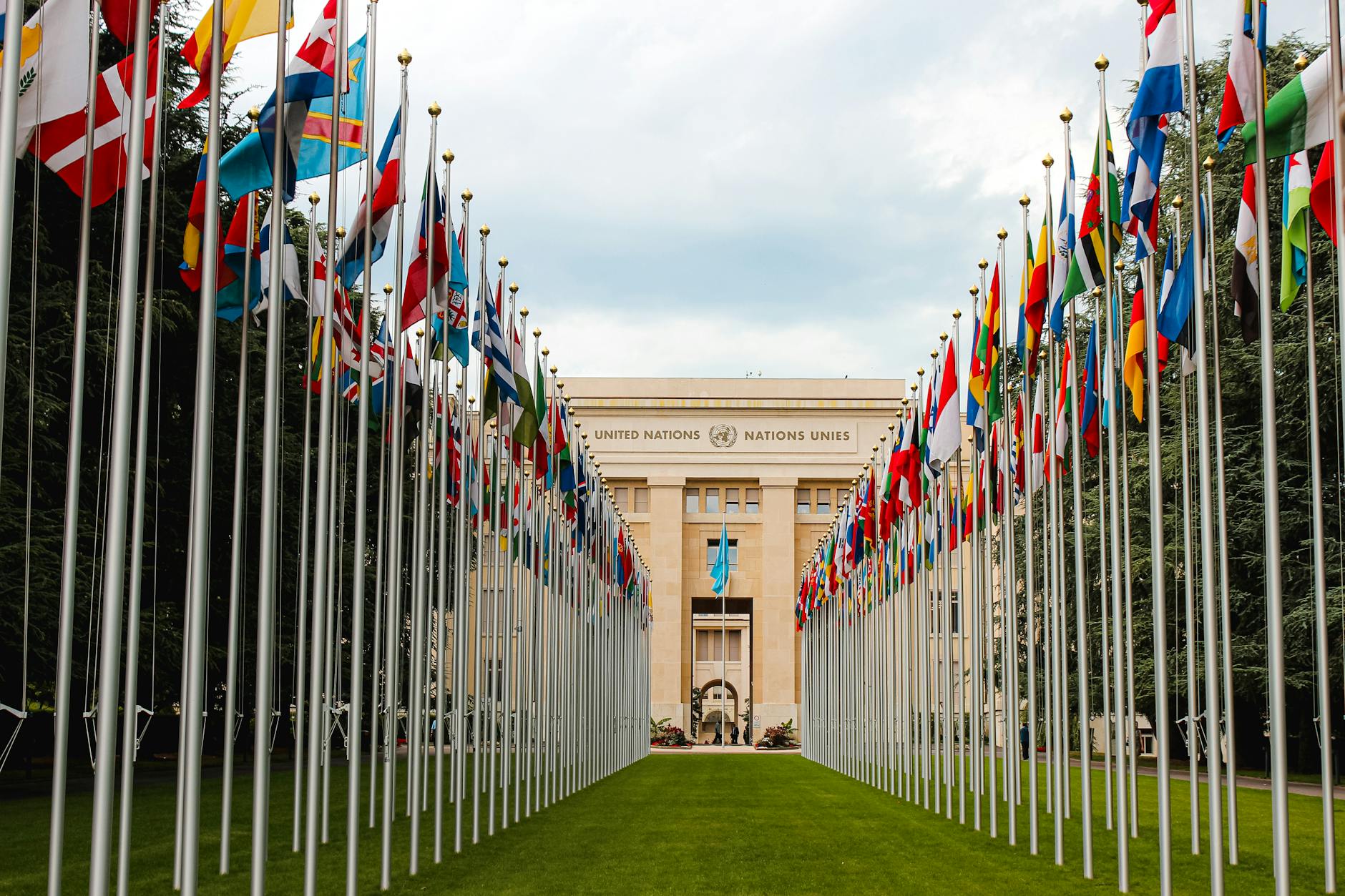 Photo by Mathias Reding / Pexels
The Iran Question Nobody Can Answer
The Hormuz blockade is actual. The Navy destroyers enforcing it are real. They’re equipped with weapons developed after the USS Cole was attacked in 2000—a ship that was nearly sunk, half its crew killed, in an attack that took 25 years to drive serious defensive upgrades.
Trump saying “we won’t lift the blockade until there’s a deal” sounds tough. It’s meant to sound tough. But what it actually reveals is desperation.
If you’re blocking the Strait of Hormuz and you say “we won’t stop unless you agree,” you’ve essentially announced that maintaining the blockade costs you more than it’s worth. You’re signaling weakness while trying to sound strong. Iran knows this. Which is why Iran hasn’t confirmed its negotiators will even show up to talks in Pakistan.
This is what the endgame of a confrontation looks like when neither side has a clean exit. The U.S. wants a nuclear deal or something deal-shaped. Iran wants sanctions relief. Neither wants to be seen as caving. So they circle each other in these diplomatic weirdnesses—announced peace talks that might not happen, blockades that are expensive to maintain, cease-fires that are nearing their end.
My read: Trump’s hoping a breakthrough happens fast so he can claim victory before the costs become impossible to hide. Iran’s waiting to see if internal U.S. pressure (from business, from the military asking why they’re maintaining this blockade, from allies who depend on Persian Gulf shipping) forces a concession.
Neither side’s really positioned to move. That’s the danger.
The Pattern Underneath
Here’s what keeps me awake: everyone’s arming at once.
Japan’s selling weapons now. The U.S. is maintaining a blockade and negotiating from weakness. Russia and China are watching both. Europe’s watching Trump’s chaos affect their security calculations by the day.
This is what the transition between global orders looks like. It’s not sudden. It’s a cascade of decisions where each actor watches everyone else stop trusting the old rules and decides they can’t afford to either.
Japan kept pacifism as long as Japan could believe America would handle everything. But you don’t reverse 80 years of constitutional commitment because things are slightly uncertain. You do it when you’ve decided the uncertainty is permanent.
That’s the actual headline underneath all these headlines.
The U.K. has its own chaos brewing—a fired official describing pressure from the Prime Minister’s office about Peter Mandelson’s appointment as ambassador, and Mandelson’s association with Jeffrey Epstein. It’s not directly related to Japan or Iran, but it’s another signal that institutions and norms that seemed solid are looking cracked. When your diplomatic corps is getting tangled up in scandal and security lapses, your actual diplomacy gets harder.
None of this means war is imminent. But it means the assumptions that prevented conflict are evaporating. When Japan arms itself, when Iran plays diplomatic chicken with the Hormuz blockade, when the U.S. vice president shuttles to Pakistan for peace talks that might not happen—you’re watching the world recalibrate.
The Moment of Honesty
I don’t know if the Iran talks will actually happen. I don’t know if Japan’s arms exports will provoke China or actually deter it. I don’t know if this realignment actually stabilizes into something workable or if it spins into something worse.
What I’m confident about: we’re not going back to the post-1991 system. That’s done. Japan wouldn’t reverse 80 years of pacifism if it thought America was still reliable. Iran wouldn’t play games with blockade negotiations if it thought the U.S. was in a position of strength. The U.K. wouldn’t be scrambling with diplomatic appointments if its institutions felt stable.
The question now is whether this new system finds equilibrium or whether the transition itself becomes the crisis.
What I’m Watching
-
Japan’s first arms sale recipient and timing — The moment Tokyo announces its first major weapons export deal (likely to Taiwan-adjacent nations or Southeast Asian allies), watch the Chinese response. If it’s measured, the new order might stabilize. If it’s sharp, you’re watching the real beginning of the contest.
-
Whether Iran’s delegation actually shows in Pakistan this week — This sounds small. It’s not. If Iran no-shows, the cease-fire likely ends and talks collapse. If they show but don’t move on sanctions or nuclear terms, we’re in permanent low-level confrontation. Watch for any announcement before March 15th.
-
The first crack in Trump’s blockade — The moment an Arab ally privately signals it needs Persian Gulf shipping normalized, or the first leak about military costs maintaining the blockade, Trump will face real pressure. Watch for a “deal” announcement that actually just lifts the blockade for vague future concessions.
-
A second country announcing arms export reversals — If South Korea, Taiwan, or a European nation suddenly loosens its own weapons export restrictions in the next six months, you’ll know Japan’s move wasn’t an outlier. It’ll be the new normal.