The Open Source Reckoning Has Arrived
Linux craters, supply chains burn, and everyone pretends they didn't see this coming. Here's what actually matters.

Ubuntu’s down. A package with a million monthly downloads just exfiltrated credentials like it was giving them away at a tech conference. And security firms—the people who are supposed to catch this stuff—got singled out and hit anyway.
This isn’t a breach story. This is an infrastructure story. This is what happens when the entire tech industry decides that free software maintained by three people in a basement is fine, actually, as long as someone else monitors it.
The Dominoes Are Still Falling
Let me be direct: we’re in the middle of something that will look obvious in hindsight but feels chaotic right now.
Ubuntu infrastructure has been down for more than a day. That’s not trivial. Ubuntu isn’t some niche Linux distro—it’s what half the cloud runs on. AWS, Google Cloud, Azure—they all ship with it. When Ubuntu’s infrastructure fails, you’re not just losing package updates for individual developers. You’re potentially blocking deployments for companies that run the actual internet.
The timing here is what gets me. This didn’t happen in isolation. While Ubuntu was still recovering, the industry was already reeling from what’s being called the most severe Linux threat to surface in years. Something caught everyone flat-footed. No one had a plan B. No one expected their package manager to become a liability.
Then you’ve got the supply-chain attack that specifically targeted security firms—Checkmarx and Bitwarden. These are companies whose entire job is preventing supply-chain attacks. They’re supposed to be paranoid about this stuff. The fact that they got singled out and hit anyway isn’t a failure of their individual security. It’s a statement: nowhere is actually safe.
And then there’s the open source package with a million monthly downloads that just… stole user credentials. A million downloads. Someone installed that code. Trusted it. Built their infrastructure on it. And it turned out to be a Trojan horse.
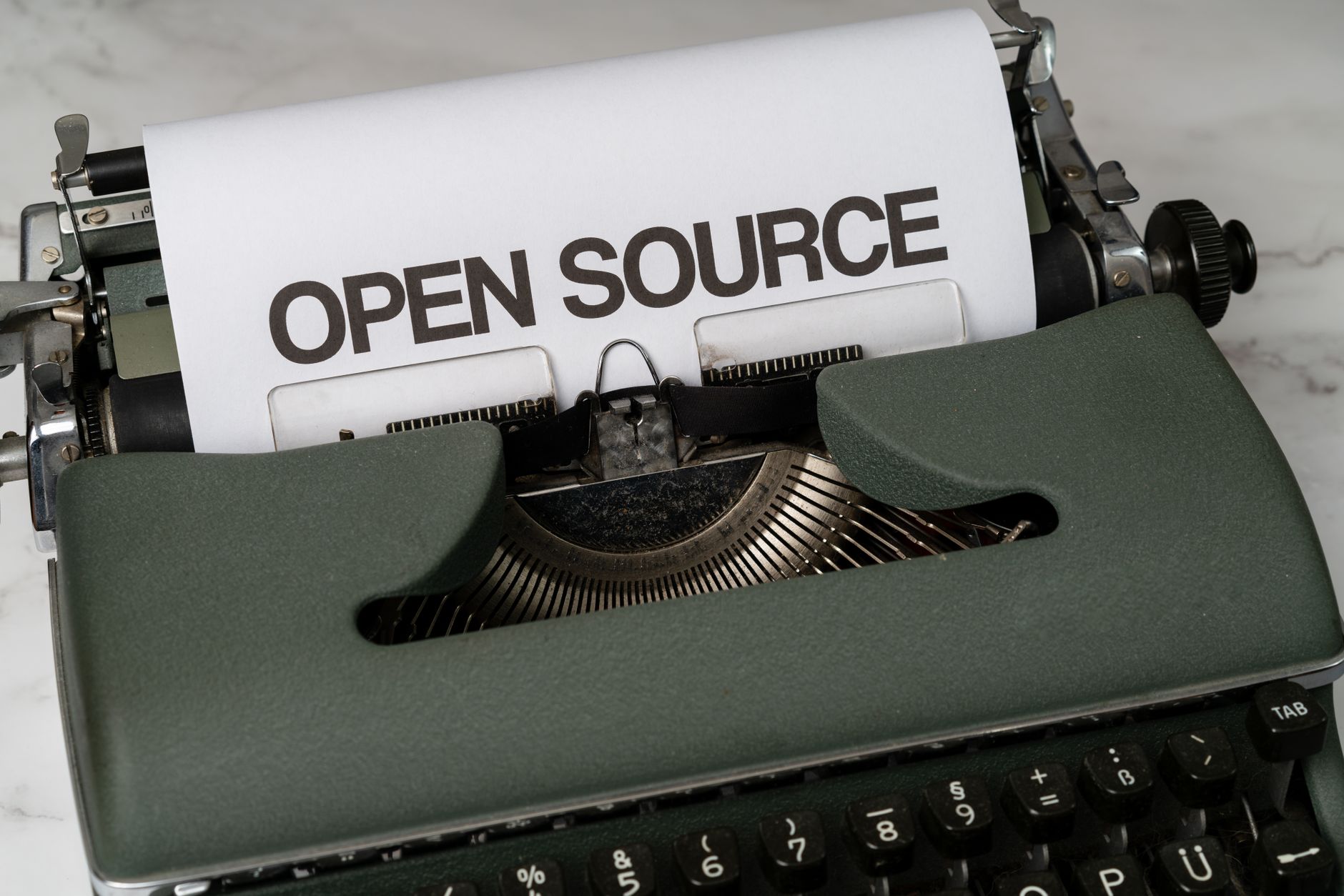 Photo by Markus Winkler / Pexels
Here’s the part nobody wants to say out loud: the reason these attacks work is because open source has become too big to audit and too critical to fail, which means most of it goes completely unaudited and fails constantly.
The Math Stopped Making Sense Three Years Ago
I’ve covered this space long enough to remember when open source was a philosophy. You contributed because you believed in it. The community maintained critical packages because someone cared enough. Red Hat happened. O’Reilly books were written. It was real.
Then it became the foundation of global infrastructure, and the economics never updated to match. A single maintainer still got paid zero dollars. A company with millions in revenue still relied on a library that got three GitHub commits a year from someone in Bulgaria. And everyone just… accepted that.
The supply-chain attacks targeting security firms is the perfect encapsulation of this insanity. Security was supposed to be the thing we got right. Checkmarx literally analyzes code for vulnerabilities. Bitwarden is a password manager. If those companies can get blindsided, the rest of us aren’t operating on a spectrum—we’re just choosing not to look.
My read is that we’ve hit an inflection point. The industry has finally gotten big enough and interconnected enough that the old model breaks visibly. Ubuntu goes down and people notice. A million-download package gets compromised and it actually matters. You can’t hide this in a CVE anymore.
 Photo by UMA media / Pexels
Meanwhile, Everyone Else Is Building the Future on Quicksand
Here’s what kills me about the headlines in rotation: while the open source foundation is literally cracking, the rest of the industry is acting like we’ve already solved infrastructure.
Uber’s talking about turning its millions of drivers into a sensor grid for autonomous vehicles—basically turning their entire network into a mobile surveillance and data collection platform for self-driving companies. That’s a bet on connectivity, reliability, and the idea that none of this infrastructure can fail at scale. It’s a beautiful vision if you ignore that your backbone just spent a day offline.
Meta bought a robotics startup to bolster its humanoid AI ambitions. Coatue’s apparently buying land near power sources to build data centers, possibly for Anthropic. The entire industry is making trillion-dollar bets on infrastructure that we’ve just watched collapse under routine maintenance.
I think this is going to get worse before it stabilizes.
The problem isn’t malice. It’s not even incompetence, exactly. It’s a misalignment of incentives that’s been baked into the entire system for so long that nobody questions it anymore. Open source is free. Companies depend on it. Therefore companies should probably fund it. This is not controversial logic. And yet it doesn’t happen.
Someone at a major tech company right now is probably arguing that they can’t justify the budget to a board for “maintaining infrastructure we don’t own.” Meanwhile, they’re spending millions on ML chips and building sensor grids and buying robotics startups. The math doesn’t work unless you’re not looking at it.
What I Actually Think Happens Next
Here’s my prediction: in the next 18 months, at least one major supply-chain attack will cause measurable real-world damage—not just stolen data, actual disruption to a critical service that people rely on. A hospital can’t access patient records. A bank can’t process transactions. Something concrete.
That will trigger a three-part response. First, panic. Second, a wave of companies doing security audits and realizing how many open source packages they depend on. Third, a rush to fund maintainers that will look like a lot of money for about six months before everyone forgets again.
I’m less certain about the outcome. It could go toward real structural change—maybe something like a Linux Foundation dividend where major tech companies just fund package maintenance automatically. Or it could go the other way and toward walled gardens, where companies decide open source is too risky and start building their own alternatives, which means we lose some of the benefits of shared infrastructure for the sake of perceived control.
My bet is on the walled garden scenario, unfortunately. Because the incentive structure for a company to spend money securing shared infrastructure is weaker than the incentive to spend money on a system they fully own and control.
What I’m Watching
-
Ubuntu’s recovery timeline and post-mortem disclosure. If this takes more than a week to fully explain, that signals deeper architectural problems than a routine outage. Watch for what caused it and whether they’ve implemented anything to prevent recurrence.
-
Whether any of the major cloud providers announce open source maintainer funding programs by Q2 2024. This would be the bellwether for whether the industry’s going to actually fund the thing they depend on. If no announcements happen, they’re betting the next attack is someone else’s problem.
-
How long the Cursor-SpaceX deal stays in rumor status. I’m watching this less for the deal itself and more as a proxy for whether VCs are still willing to fund “infrastructure” layer companies or if everything’s consolidating into mega-players.
-
The next security incident that hits a mainstream consumer service. Not developers, not corporations—someone’s grandma. That’s when this stops being a tech story and becomes a regulation story.