The Strait's Keeper Blinks First
Iran signals talks while doubling down on Hormuz. Here's why both moves might be theater masking a real shift.
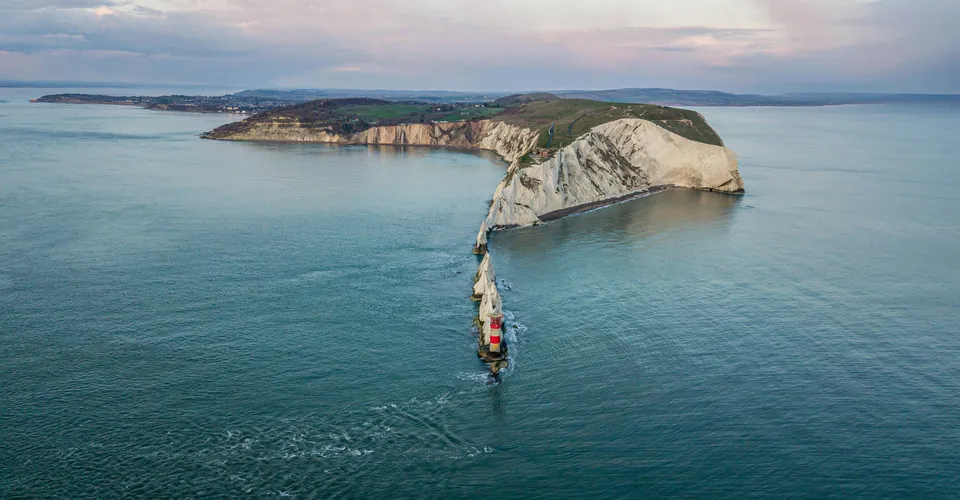
Tehran’s sending negotiators to Islamabad this week while simultaneously telling the BBC it will “never cede control” of the Strait of Hormuz. That’s not a contradiction. That’s a pressure play.
Let me parse what’s actually happening here, because the headlines are doing that fun thing where they make Iran look schizophrenic when it’s really just being Iran—maximalist in rhetoric, calculating in practice.
 Photo by Marc Smith / Pexels
The Public Theater
Ebrahim Azizi, speaking for Iran’s establishment, was crystal clear with the BBC: Iran “will decide the right of passage” through one of the world’s most critical shipping chokepoints. This isn’t new posturing. It’s a baseline statement of Iranian maritime theology—one they’ve held since 1979 and rehearsed through every confrontation since.
But here’s the thing nobody wants to say plainly: Iran doesn’t actually have the capacity to blockade the Strait of Hormuz for any meaningful duration. They have fast attack boats. They have missiles. They can harass shipping, spike oil prices, and create tactical headaches. But sustaining a full closure? That’d require a military apparatus they don’t have, and it’d trigger a response from the US Navy that would last approximately 72 hours before their navy ceased to exist as a functional entity.
So when Azizi says Iran will “decide the right of passage,” he’s not promising a blockade. He’s reserving the right to cause pain if provoked. It’s deterrence theater dressed up as defiance.
The actual news is that Iranian officials are showing up in Islamabad on Tuesday—the same day JD Vance arrives with a US negotiating team. Not together. Not even in the same room. But in the same city, with Pakistan presumably playing the role of honest broker.
 Photo by Mathias Reding / Pexels
Why This Matters Right Now
Trump’s been seizing Iranian ships and rattling the energy markets. Oil prices have been on a roller coaster since the US-Israel strikes on February 28th. Markets hate uncertainty, and right now there’s plenty of it.
But markets also love a off-ramp. A negotiation signals that neither side wants to actually burn it all down. And both Washington and Tehran seem to be quietly saying: we’re open to talking.
The catch? They can’t admit that publicly without losing face domestically. Trump can’t look weak to his base. Iran’s hardliners can’t look capitulating. So you get these signals sent through back channels while the official statements stay maximalist.
It’s like watching two poker players who both have decent hands but want to avoid an all-in—they’re signaling folds through body language while their mouths keep talking big bets.
I think what’s really going on is that both sides have calculated the same thing: escalation gets expensive fast. Oil spikes hurt global markets. A genuine military confrontation in the Strait draws in allies, creates humanitarian disasters, and destabilizes the region in ways nobody controls. Trump doesn’t want a war that tanks the economy six months before an election. Iran doesn’t want to lose what little leverage it has left.
The Saudi Angle Nobody’s Mentioning
Here’s what’s lurking beneath the Iran headlines: Saudi Arabia is tired.
The kingdom just announced it’s pivoting from grandiose mega-projects (that Vision 2030 stuff) toward pragmatism because it’s facing financial strains. That’s code for: we don’t have money to spend on regional wars right now, and we need to conserve what we’ve got.
Saudi Arabia and Iran have been proxies-by-proxy since 1980. But Saudi Arabia’s leverage is weakening because its wallet’s getting lighter. That changes the entire geometry of Middle Eastern power.
If Riyadh isn’t throwing money at anti-Iranian projects, Tehran has one fewer threat to worry about. That makes talking to Washington more appealing, not less.
The Actual Prediction
Here’s what I’d bet on: You’ll get a narrow technical agreement on shipping corridors in the Strait within 60-90 days. Not a grand détente. Not normalized relations. Just a mutual understanding that neither side will gratuitously sink the other’s tankers. Enough to stabilize oil markets. Enough to let both sides claim victory domestically.
Iran will say it “successfully resisted American pressure.” Trump will say he’s “brought order to the region.” Both statements will be technically true and fundamentally beside the point.
But here’s my genuine uncertainty: I don’t know how durable that agreement would be if Trump wins reelection and takes a harder line in his second term. If the administration decides that containing Iran is worth more than stable oil prices, everything unravels. And there’s nothing in the current headlines that tells me how Trump himself actually feels about this versus how his advisors are playing it.
That’s the real variable I’m watching.
What I’m Watching
-
The Islamabad meeting itself. If the delegations actually meet (not just show up), or if either side cancels, you’ll know immediately whether this is theater or genuine negotiation. Watch for any readout mentioning “constructive talks” vs. “preliminary discussions”—the adjective matters.
-
Oil price stability through March. If crude stays between $75-85 per barrel, the market believes talks are serious. If it spikes above $90, the market thinks escalation’s still on the table. That $90 threshold is your tell.
-
Iranian public statements in the next 10 days. If hardliners start attacking Azizi and his faction for “weakness,” the talks were real enough to threaten the domestic political balance. Watch Iranian state media for signs of internal debate.
-
Whether Trump comments on the talks. If he stays silent or vague, Vance is running this. If he claims credit preemptively, he’s already looking ahead to the next round of posturing. His tweet choice will tell you everything about how serious Washington is.