The Strait, the Island, and Trump's Energy Chess Game
Iran opens the Hormuz tap while America eyes its oil crown jewel. What happens when respect meets realpolitik?
Trump just announced Iran will allow more oil ships through the Strait of Hormuz, calling it a “sign of respect” even as Israeli-Iranian fighting drags into its second month. That’s quite the diplomatic pirouette for a region where tankers have become pawns and chokepoints equal leverage.
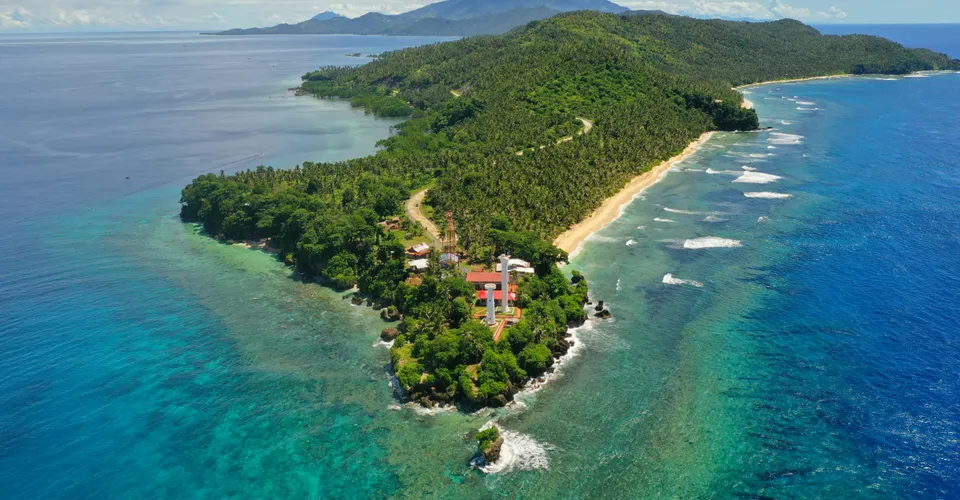
But here’s what makes this moment different: while Iran opens the maritime gates, American strategists are reportedly eyeing Kharg Island — the tiny speck of land that houses one of Iran’s most critical pieces of energy infrastructure. It’s like offering someone a drink while quietly studying the location of their wine cellar.
The timing isn’t coincidental. Energy diplomacy has always been about managing scarcity and abundance in equal measure. What we’re seeing now is a high-stakes negotiation where both sides are simultaneously offering carrots and sharpening sticks.
The Island That Matters More Than Its Size
Kharg Island doesn’t look like much on a map. You’d miss it if you blinked while flying over the Persian Gulf. But this 20-square-kilometer piece of Iranian territory handles roughly 90% of the country’s crude oil exports. Every major pipeline from Iran’s inland fields eventually leads here.
Think of it as Iran’s energy jugular vein sitting conveniently in the open water.
The fact that US officials are now discussing this island — even in hypothetical terms — represents a significant escalation in pressure tactics. It’s one thing to impose sanctions on Iranian oil exports. It’s another entirely to threaten the infrastructure that makes those exports possible in the first place.
I’ve watched energy chokepoints become diplomatic weapons before. The Suez Canal crisis of 1956 showed how quickly global powers will move when oil flows get threatened. The 1980s “Tanker War” between Iran and Iraq demonstrated how vulnerable these sea lanes really are. But targeting fixed infrastructure? That’s crossing into different territory altogether.
 Photo by Jay Ar Denila / Pexels
When Respect Meets Russian Tankers
Meanwhile, a Russian oil tanker just reached Cuban waters after Trump said he had “no problem” with it arriving. This isn’t happening in a vacuum — it’s part of the same energy chess game playing out across multiple boards simultaneously.
The Russian vessel reaching Cuba represents something of a test balloon. If Washington truly had no problem with Russian energy reaching America’s doorstep, that suggests a broader recalibration of how the Trump administration plans to handle energy diplomacy. Or it could mean they’re picking their battles more carefully.
Here’s my read: Trump’s team is learning that energy embargoes work both ways. Cut off Russian oil completely, and Moscow finds new customers. Threaten Iranian infrastructure, and Tehran closes shipping lanes. Push too hard on multiple fronts, and you end up with $150-per-barrel oil and voters who remember what that does to gas prices.
The “sign of respect” framing around Iran’s Hormuz decision tells me Trump wants to claim victory on energy security without actually having to follow through on the more aggressive options his advisors might prefer. It’s face-saving diplomacy disguised as strength.
The Dubai Test Case
Dubai’s residents insist life goes on despite the regional war, but that confidence is getting stress-tested in real time. The city built its entire economic model on being the calm eye in the Middle Eastern storm — a place where Russian oligarchs, Iranian businessmen, Israeli tech entrepreneurs, and American oil executives could all grab lunch at the same mall.
That model only works if the wars stay regional and the energy keeps flowing. When tankers start avoiding shipping lanes or island infrastructure becomes a target, Dubai’s “safe haven” pitch gets harder to sell.
I think Dubai’s current situation perfectly captures the broader challenge facing energy diplomacy right now. Everyone wants stability, but nobody wants to be the first to blink when their core interests get threatened. The Emirates marketed themselves as above the fray, but geography doesn’t care about marketing.
 Photo by Mathias Reding / Pexels
The Infrastructure Vulnerability Problem
Let me be clear about something that often gets lost in diplomatic niceties: modern energy systems are incredibly fragile. A few well-placed disruptions can cascade into global problems faster than most governments can respond.
Kharg Island processes around 1.6 million barrels per day on average. If that capacity went offline — whether through military action, sabotage, or even extended maintenance — global oil markets would feel it immediately. Iran knows this. America knows Iran knows this. The question is whether either side is willing to call what might be a very expensive bluff.
The vulnerability runs both ways, though. American forces in the region depend on predictable logistics chains and stable fuel supplies. That damaged US radar jet at a Saudi base — which Central Command still hasn’t commented on publicly — reminds everyone that forward-deployed assets make attractive targets when tensions escalate.
Energy infrastructure attacks have this nasty habit of spiraling. Hit my refinery, I’ll hit your pipeline. Damage my port, I’ll block your shipping lane. Before you know it, everyone’s paying $200 to fill their gas tank and wondering how a dispute over a tiny island turned into a global recession.
What Changed Trump’s Calculus
Something shifted between the initial saber-rattling over Iranian energy facilities and Trump’s recent comments about “respect” and open shipping lanes. My guess is someone did the math on what actual disruption would cost.
The 1973 oil embargo drove prices up roughly 300% and helped trigger a recession that lasted two years. The 1979 Iranian Revolution doubled oil prices and contributed to stagflation that defined the early 1980s. Even temporary disruptions have outsized economic impacts when global spare capacity runs thin.
Trump campaigned on bringing down energy costs. Actually following through on strikes against Iranian oil infrastructure would achieve the exact opposite, at least in the short term. Iranian leaders probably calculated this dynamic and decided they could afford to make some conciliatory gestures around Hormuz transit without appearing weak.
It’s also possible that back-channel negotiations have been more productive than public statements suggest. Energy diplomacy often works better when both sides can claim victory while privately agreeing to de-escalate. Iran keeps its infrastructure intact and reopens shipping lanes. America gets lower oil prices and calls it respect for strength.
The Greenland Sideshow
Trump’s team getting investigated by Danish intelligence for their Greenland activities shows how energy and territorial ambitions intersect in unexpected ways. Greenland sits on massive rare earth deposits and occupies a strategic position for Arctic shipping routes that climate change is making more accessible.
The “covert” operation that’s apparently happening in plain sight suggests Trump’s people are thinking beyond Middle Eastern oil toward longer-term resource competition. If Iranian oil becomes unreliable and Russian energy gets sanctioned indefinitely, alternative sources start looking more attractive.
Denmark’s intelligence services taking notice means European allies are getting nervous about American resource diplomacy extending into their territories. Nobody wants to wake up and discover their mineral-rich dependencies have become someone else’s strategic priority.
This connects back to the Iran situation because it shows Trump’s team thinking systematically about energy security rather than just reacting to immediate crises. Threatening Kharg Island while courting Greenlandic resources and allowing Russian tankers to reach Cuba — that’s not random policy-making. That’s portfolio management.
Photo by Mathias Reding / Pexels
The Myanmar Military’s Energy Play
Senior General Min Aung Hlaing stepping down as military commander to become Myanmar’s next civilian president might seem unrelated to Middle Eastern oil politics, but energy security concerns run through both stories.
Myanmar controls significant natural gas reserves and sits along important pipeline routes connecting Chinese energy imports to inland markets. Military leaders transitioning to civilian roles while maintaining actual control represents the kind of authoritarian adaptation that worries Western policymakers.
If democratic governments can’t deliver stable energy supplies at reasonable prices, voters start looking for alternatives. Military strongmen who promise cheap gas and reliable electricity start sounding appealing. The Iranian situation matters partly because energy disruptions feed political instability everywhere.
Where the Smart Money Goes
I think we’re watching a tactical retreat disguised as diplomatic progress. Trump wants to claim victory on Iran without paying the economic costs of actually escalating. Iranian leaders want to avoid infrastructure attacks without appearing to capitulate to American pressure.
The “respect” narrative gives both sides room to step back from more dangerous options. But the underlying tensions haven’t been resolved — just managed temporarily. Kharg Island remains vulnerable. The Strait of Hormuz remains a chokepoint. Energy markets remain nervous.
My prediction: this de-escalation lasts until either oil prices drop low enough that Iran can’t afford moderate positions, or until some unrelated crisis forces everyone to reassess their strategic priorities. Energy diplomacy is inherently unstable because the underlying economics keep shifting.
The Russian tanker reaching Cuba without American interference suggests Trump’s team has decided to fight energy battles selectively rather than simultaneously. That’s probably smart tactics, but it also means postponing problems rather than solving them.
The Domino Effect Nobody Wants
Here’s what keeps me awake at night about this whole situation: energy disruptions have this nasty habit of triggering cascading failures that nobody anticipated.
Block Iranian oil exports, and China starts buying more Russian crude, which means European countries compete for alternative suppliers, which drives up prices globally, which makes American voters angry, which pressures politicians to do something dramatic, which usually makes the original problem worse.
The 2008 financial crisis started with American subprime mortgages but nearly collapsed European banks and triggered protests in countries that had nothing to do with housing speculation. Energy disruptions spread even faster because every economy runs on fuel.
Dubai residents saying life goes on despite regional war reflects a kind of normalcy bias that energy markets can’t afford. When the infrastructure starts failing, life doesn’t just go on. It gets expensive fast.
What I’m Watching
-
Iranian oil export volumes through February: If Iran’s Hormuz “respect” translates into meaningfully higher tanker traffic, it suggests this de-escalation has real substance. If volumes stay flat, we’re looking at diplomatic theater.
-
Any American military movement near Kharg Island vicinity: Satellite imagery and naval positioning will tell us whether Washington actually took the military option off the table or just stopped talking about it publicly.
-
Dubai property prices and expatriate visa renewals through Q2: The city’s “life goes on” confidence will show up in real estate markets and residency applications long before officials admit the safe haven model is under stress.
-
Chinese energy import patterns, particularly Russian crude purchases: Beijing’s buying behavior will reveal whether they think this Iran situation is genuinely resolved or if they’re hedging against future disruptions by locking in alternative supplies now.