The US Just Picked a Side in Hungary—And It's Not Subtle
JD Vance's Budapest visit signals Washington is betting on Orbán. Here's why that matters more than you think, and what could go spectacularly wrong.
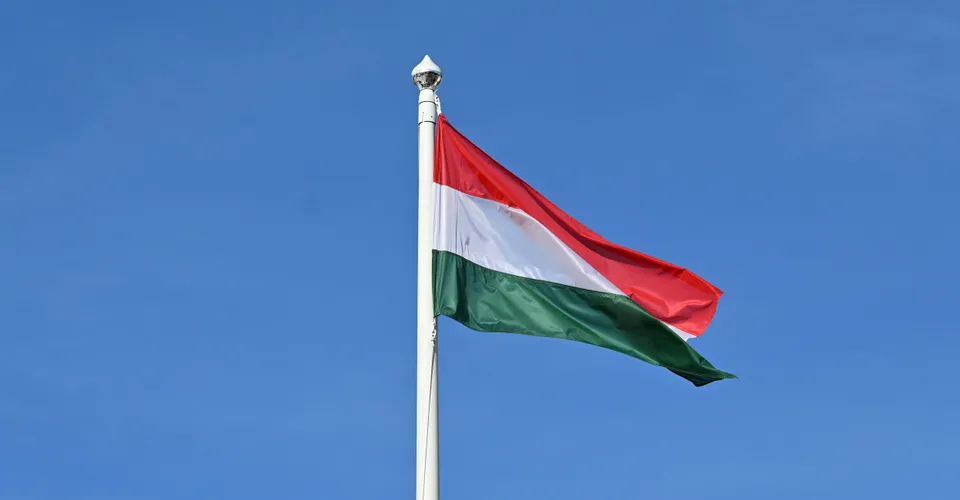
JD Vance landed in Budapest this week to do something that would’ve been unthinkable a decade ago: openly campaign for a European leader the US State Department spent years criticizing.
Let that sink for a second. The American vice president didn’t fly to Hungary for a routine diplomatic photo op. He showed up to boost Viktor Orbán’s re-election chances days before parliamentary votes. This isn’t coded language or plausible deniability. It’s a direct statement from the White House: we’re all in on Orbán.
The timing is deliberately provocative. Orbán’s facing a tight race where Roma voters—a demographic his own policies have marginalized—could decide the outcome. And here comes Washington, one of the few powers with actual leverage over Hungarian politics, throwing its weight behind the guy Roma communities have good reasons to fear. You don’t need a PhD in electoral dynamics to see what’s happening here.
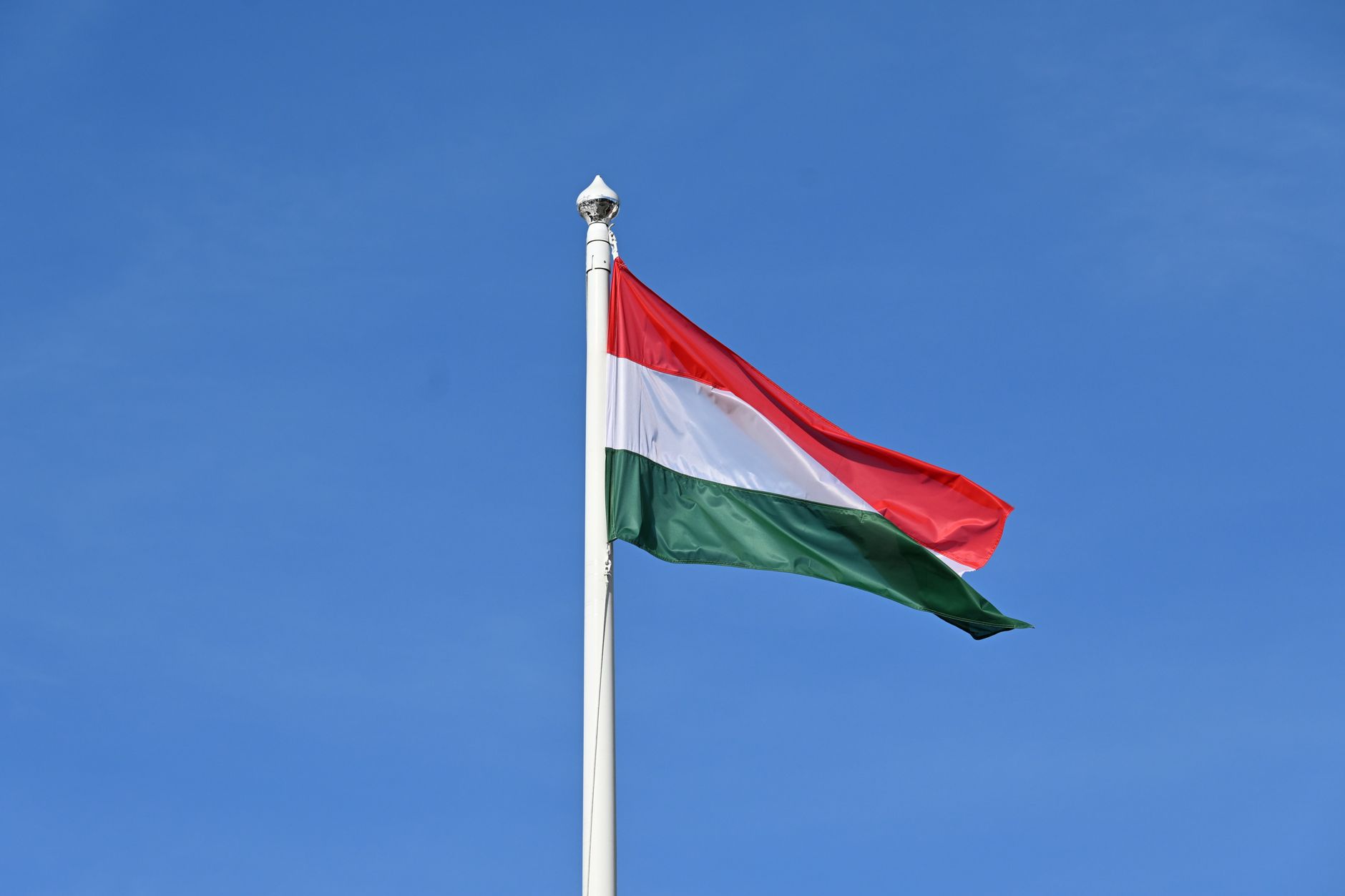 Photo by Edvin Gál / Pexels
Why Trump Loves Orbán (and What That Tells Us)
Let’s be honest about the appeal. Orbán’s been the blueprint for what nationalist-skeptical-of-liberal-institutions politics looks like in NATO. He’s defied EU pressure. He’s built a political machine that wins repeatedly. He doesn’t apologize for restricting press freedom or rewriting constitutional rules to consolidate power. For a White House skeptical of the international liberal order, that’s catnip.
Trump’s already shown his hand. The Ukraine aid skepticism, the NATO comments, the general wariness of binding multilateral commitments—these aren’t random positions. They’re consistent with a view that the postwar American security architecture is outdated and countries should pursue self-interest more nakedly. Orbán embodies that worldview. He’s proof of concept.
But here’s where it gets weird. The US and Hungary aren’t exactly aligned on everything. Hungary’s historically complex relationship with Russia, its reluctance on some NATO spending targets, its energy dependence on Moscow—these are real friction points. Yet Vance’s visit sends a signal that supersedes those tensions: we’re choosing stability-through-strength over ideological consistency.
The irony is almost acidic. The Trump administration, which claims to stand against foreign interference in elections, is openly interfering in a Hungarian one. Not subtly. Not through back channels. The vice president shows up, endorses the incumbent, and everyone goes home understanding the message.
 Photo by Mathias Reding / Pexels
The Roma Gamble and What Orbán Actually Risks
Here’s what’s genuinely interesting about this race: Roma voters could swing it.
Orbán’s policies toward the Roma minority have been hostile. Exclusionary. This isn’t coded language—his government’s approach to education, housing, and economic opportunity for Roma communities has been systematically restrictive. So in a tight election, the voters most affected by those policies are suddenly crucial.
For Vance and the Trump White House to show up and visibly back Orbán in this context is a calculated bet that Orbán’s structural advantages (a gerrymandered system, media control, institutional entrenchment) will overcome any turnout surge among marginalized voters. It’s saying: we don’t think Roma voters can organize enough to matter.
That’s not a safe bet. It’s a bet, full stop.
What happens if the Vance visit becomes a rallying point for anti-Orbán mobilization? What if Roma communities, feeling explicitly disowned by the incoming American vice president, turn out at unexpectedly high rates? Vance’s very visible endorsement could become the perfect organizing tool for the opposition.
I genuinely don’t know how this plays out. I’m uncertain. But I’ve watched enough elections to know that showing up visibly for the guy marginalizing your country’s most vulnerable population can backfire.
The Bigger Picture: What This Says About American Foreign Policy
Step back. The Vance visit reveals something larger about how the Trump administration views international relationships.
During the Cold War, the US backed plenty of autocrats, sure. But there was a strategic logic: contain communism, maintain military bases, prevent Soviet expansion. By the 1990s and 2000s, at least rhetorically, the US pivot toward democracy promotion—messy as it was—created a different diplomatic culture.
Trump’s approach is different. It’s transactional and stripped of that democracy-promotion veneer. If Orbán runs a tight ship, wins elections repeatedly, and doesn’t move closer to Moscow, that’s what matters. Whether his government respects press freedom or treats minorities fairly? That’s for Hungary to sort out.
There’s actually a kind of brutal honesty to this. No more lectures about “universal values.” No more gap between stated principles and actual practice. Just: who’s useful, who’s aligned with our interests, and how do we demonstrate that alignment?
The problem is that this approach works until it doesn’t. It works great if your allies stay stable and don’t become liabilities. It works terribly when they implode and drag you down with them. Vance’s visit buys Orbán some breathing room internationally. It doesn’t solve Hungary’s actual structural problems—corruption, brain drain, EU funding tension, demographic decline.
The War Crimes Shadow
Here’s a detail worth holding in your mind while Vance is in Budapest celebrating Orbán’s stability: back in Australia, the country’s most-decorated living soldier was just charged over alleged war crimes.
Ben Roberts-Smith denies everything. He already lost a defamation case over allegations surrounding alleged murders. Now comes the criminal investigation.
This matters because it’s a reminder that “stability” and “institutional strength” in the eyes of one leader can look like “impunity for wrongdoing” to everyone else. Orbán’s government has been criticized for failing to investigate human rights abuses and for protecting security forces from scrutiny. The Roberts-Smith case shows what happens when that approach fails—eventually, someone outside the cozy circle of mutual protection brings charges.
The Vance visit doesn’t happen in a vacuum. It happens in a world where Australian generals are being prosecuted, where accountability mechanisms are slowly grinding on even against the most decorated figures, and where the assumption of eternal protection has crumbled.
If Orbán’s reelected with visible US backing, and if his government continues its current approach to accountability and institutions, don’t be shocked when European courts or international mechanisms start moving against his people. The Vance visit might just be marking the moment when Washington stepped away from collective accountability norms.
Photo by Mathias Reding / Pexels
What I’m Watching
The Hungarian election results and post-vote Roma turnout. If Roma voters exceed expected participation rates by more than 5-8 points, the Vance visit becomes a cautionary tale about visible interference backfiring. This matters because it tests whether the Trump playbook—openly backing the guy in power—actually works in tight races.
EU funding pressure on Hungary in the next 6 months. Brussels has leverage through structural funding that Orbán actually needs. If the Trump administration signals it won’t back Hungary against EU sanctions or fund-blocking, Vance’s visit becomes largely symbolic. Watch for any signal from State Department officials about whether Orbán can expect US diplomatic cover on EU disputes.
Whether other Trump administration figures follow Vance to Budapest. If this is a one-off, it’s a signal. If it becomes a parade, it signals a real effort to rebuild US-Hungary alignment independent of NATO institutions. Multiple cabinet-level visits in the next 60 days would indicate serious relationship-building.
Any Roberts-Smith trial developments and whether they’re covered in Hungarian media. If the Australian war crimes case gains traction in European press while Vance is championing Hungarian stability, the contradiction becomes harder to hide. This tests whether transactional diplomacy can actually survive inconvenient facts about rule of law.