The West's Deterrence Problem Just Got Worse
Germany's troop cuts, Mexico's corruption scandal, and a mining insurgency in Pakistan reveal a pattern: allies are weakening at exactly the wrong moment.
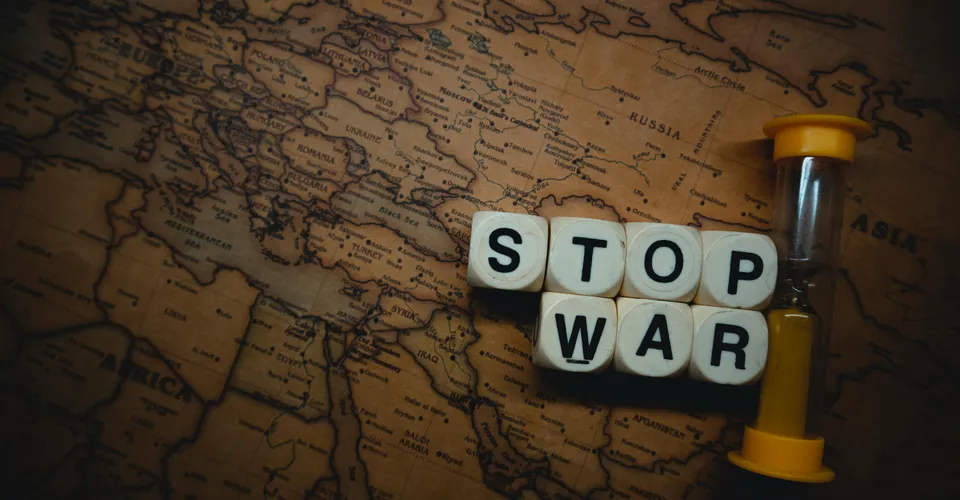
The chairs of the House and Senate armed services committees are furious. Germany is pulling 5,000 troops out of its force posture, and two of the most powerful voices in American defense just said out loud what everyone’s thinking: this looks like the wrong signal at the wrong time.
They’re right. But this isn’t really about Germany’s headcount.
 Photo by Nothing Ahead / Pexels
When Your Allies Signal Retreat
Here’s what’s actually happening. The U.S. has been trying to convince Europe that Russia is a persistent, long-term threat—the kind that requires sustained military spending, forward deployment, and willingness to absorb short-term costs. That’s been a hard sell since 2022. Europeans are tired, energy costs have stabilized, and there’s this nagging sense that maybe the acute crisis has passed.
Germany’s troop reduction lands differently when you zoom out. It’s not an isolated budgetary decision. It’s a symptom of a widening gap between what Washington says allies need to do and what those allies actually believe they need to do.
The timing matters. Russia’s military hasn’t collapsed. It’s adapted, it’s generating new capabilities, and it’s signaling—through everything from maneuver near NATO borders to cyber operations—that it’s nowhere near accepting the status quo. When Germany cuts just as this dynamic is playing out, it reads as: “We don’t actually believe the threat level anymore.”
That’s poisonous for deterrence, which lives entirely in what your adversary believes about your resolve.
 Photo by Markus Winkler / Pexels
Three Cracks in the Foundation
But Germany’s move is just one crack. Look at what’s happening across three different theaters, and a pattern emerges.
Mexico’s corruption scandal is destabilizing the one bilateral relationship the U.S. can’t afford to have come apart. A U.S. indictment of a Mexican governor has exposed cartel ties deep in the state apparatus, and it’s handed President Claudia Sheinbaum a political nightmare. She can either cooperate fully with Washington and look like she’s bowing to American pressure, or she can distance herself and signal weakness to the cartels operating within her own government. Neither option strengthens the relationship. The U.S. basically triggered a crisis it can’t easily manage, and now cross-border security cooperation—the bedrock of North American stability—is strained exactly when fentanyl trafficking is at historic highs.
Pakistan’s mining deal is under threat from Baloch insurgents. The Trump administration has apparently lined up a billion-dollar mining arrangement with Islamabad. The Baloch Liberation Army is making clear, through attacks on mining infrastructure and personnel, that this deal doesn’t have their consent. Pakistan’s government can’t protect the investment without a massive military operation in Balochistan, which would likely trigger escalation from Iran (which also has a Baloch population and sees strategic advantage in destabilizing Pakistan). The U.S. assumes it can simply cut deals with governments and that those deals will hold. Pakistan’s insurgency is about to teach a painful lesson about the difference between controlling a capital city and controlling territory.
The third crack is quieter but potentially most consequential: Ukraine’s positioning is shifting. Zelensky has been touring the Gulf, demonstrating military capability and looking for alternative funding sources. The headline frames this as a sign of strength, but read it differently. Ukraine is hedging. It’s building relationships with actors outside the traditional Western alliance because it’s not certain the West will stick with it through a grinding, years-long conflict. When your key ally starts shopping for backup sponsors, you’ve got a morale problem—and morale is half of military capacity.
The Rare Earth Wildcard
There’s one more variable making everything more brittle: critical mineral competition is intensifying in lawless zones.
The Amazon is becoming a battleground for rare earth minerals because drones, EV batteries, and semiconductor chips all need them. Demand is surging. Criminal networks are moving into mining, which means the drug cartels are diversifying into mineral trafficking, which means state capacity to govern these regions is eroding faster than anyone predicted.
This matters because it’s a slow-motion resource war that’s happening outside traditional diplomatic channels. China’s already been consolidating supply chains for years. The U.S. and Europe are scrambling. But the scramble is happening through proxies and black markets in places where governments are barely functional. Pakistan’s mining deal becomes even riskier in this context—if the minerals are valuable enough to trigger insurgency, they’re valuable enough to attract Chinese investment as an alternative.
My Read
I think the West has a resolve problem, and it’s starting to show. Not because leaders are cowards or stupid, but because the cost-benefit calculus has shifted in ways that are hard to communicate to domestic audiences.
Germany’s troop cuts aren’t crazy from a budget perspective. But they’re strategically devastating because they confirm what Russia has been betting on: that the West’s commitment to sustained deterrence is conditional, not structural. It depends on immediate crisis atmosphere. Once the acute shock of 2022 wears off, allies start optimizing for other priorities.
The Mexico scandal is worse because it’s self-inflicted. The U.S. had leverage over corrupt Mexican officials and chose to weaponize it publicly. That’s politically satisfying and strategically dumb. You don’t detonate your partner’s government unless you have a replacement ready. Washington doesn’t.
Pakistan’s mining deal will probably survive, but it’ll be more expensive and more conditional than the Trump administration expects. The Baloch insurgency isn’t going away, and every attack will force Islamabad to choose between protecting the investment and not starting a regional conflict. That’s not a deal you can execute without constant crisis management.
Ukraine is doing what any rational actor would do: preparing for a longer war than anyone publicly admits is possible. That’s prudent. It’s also a signal that the U.S.-led support coalition isn’t perceived as permanent enough to justify long-term planning. When allies start planning without you, you’ve lost something important.
Here’s what I actually think is happening: The post-Cold War assumption—that liberal democracies would naturally cooperate on security and that military alliances would strengthen over time—is being tested and found wanting. Alliances are expensive. They require you to absorb costs for other people’s security. And when the immediate threat recedes, the rationale looks thinner.
Russia, China, and Iran understand this. They’re betting that the West’s alliance system is a luxury good, not a necessity. They’re testing it in multiple places simultaneously—near NATO borders, in the Western Hemisphere, in South Asia, in Africa—to see where the cracks are widest.
Germany just handed them a gift.
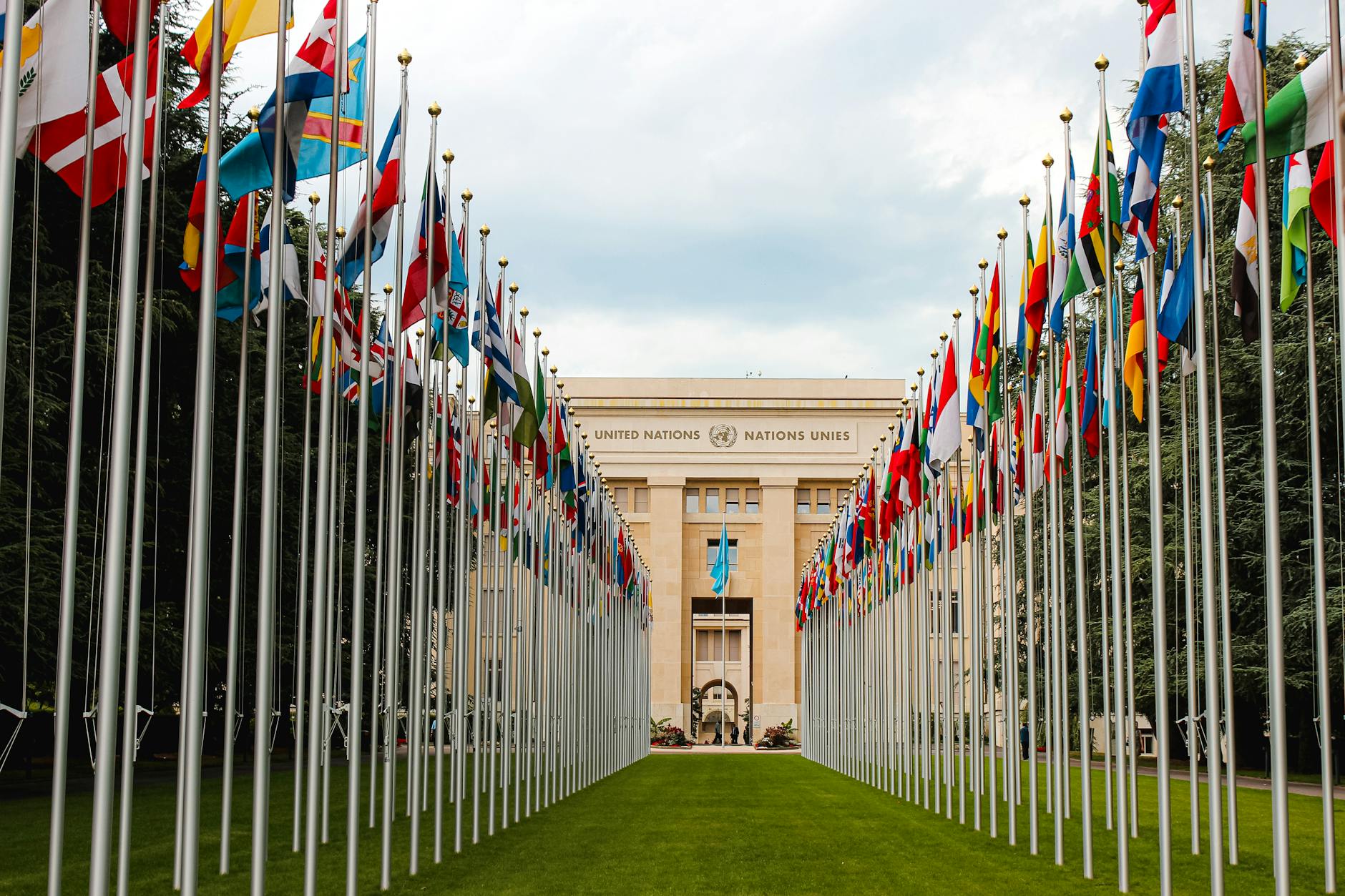 Photo by Mathias Reding / Pexels
What I’m Watching
-
German military readiness statements in Q2 2025. If Berlin doubles down on defense spending despite the troop cuts, this becomes a messaging problem rather than a capability problem. If they don’t, watch for second-order cuts in other European countries. This is a contagion risk.
-
Mexico-U.S. security cooperation metrics over the next 90 days. Specifically: fentanyl seizures at the border and the pace of cartel arrests. If those numbers drop, it means Mexican officials are quietly reducing cooperation. That’s the real damage measure, not the diplomatic temperature.
-
The pace of BLA attacks on Pakistan’s mining sites through Q3 2025. If attacks increase after any signing ceremony, the deal is functionally dead even if officially alive. Watch for Pakistan military deployments to Balochistan—that’s the real escalation signal.
-
Who funds Ukraine’s next round of military modernization. If it comes from the Gulf more than from NATO, Zelensky’s hedge is working and the Western alliance’s perceived permanence has cracked visibly.