The World's Pressure Valve Is Broken
From the Strait of Hormuz to papal diplomacy gone sideways, the systems keeping global tensions in check are failing all at once
The Strait of Hormuz is closed. Not officially. Not yet. But “largely closed” is the kind of euphemism that precedes history.
That phrase—buried in live updates about Trump administration talks in Pakistan—should terrify anyone paying attention to what holds the global economy together. About 21% of the world’s oil flows through that strait. When it’s “largely closed,” you’re not looking at a logistics problem. You’re looking at the moment before everything gets expensive, fast.
But here’s what’s wild: while that particular pressure cooker is building in the Gulf, diplomacy itself is misfiring everywhere else. The Pope is clarifying he didn’t mean Trump when he warned against “tyrants.” Zelensky is openly condemning the US for extending a Russian sanctions waiver. And a shadowy Islamic group with alleged Iranian links is firebombing Jewish sites in Britain while cops scramble to connect dots that maybe shouldn’t take this long to connect.
This isn’t chaos. It’s worse. It’s the sound of every pressure relief valve on the global system either stuck shut or venting in the wrong direction.
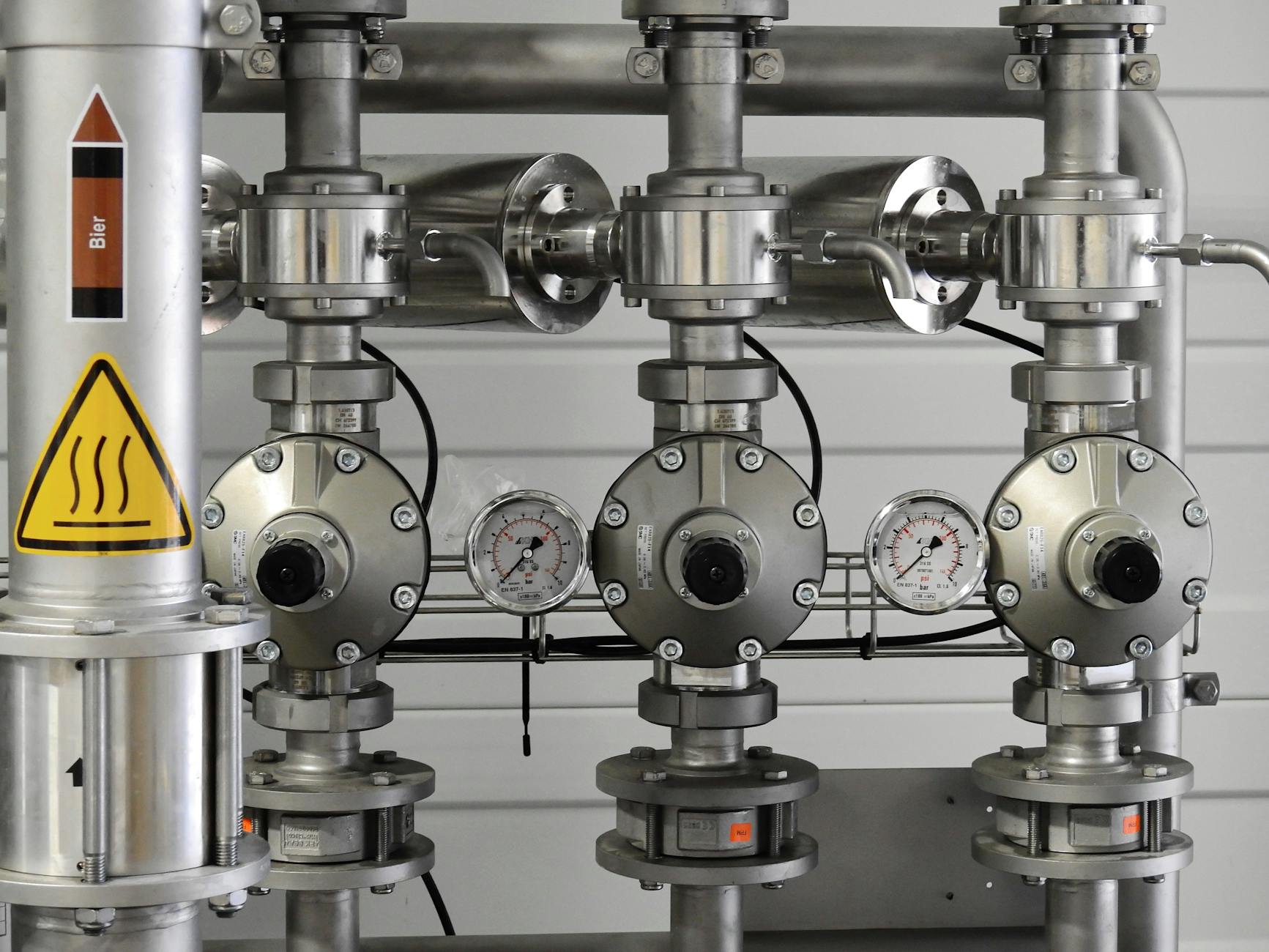 Photo by Pixabay / Pexels
When the Waiver Becomes the Story
Let’s start with something that should’ve been boring but isn’t: the US extension of a sanctions waiver for Russia.
The Trump administration’s logic here is straightforward—energy markets are tight, Iran complications are making it tighter, so let some Russian energy flow. Economically defensible. Strategically reasonable if you’re trying to avoid $200 oil.
Zelensky’s response? He condemned it. Not with diplomatic softness either. This is the Ukrainian president saying, out loud, that his primary military and economic lifeline is making a deal that he sees as a betrayal. That’s not a disagreement. That’s a crack in the foundation.
I think what’s happening is simpler than most analysis suggests: Ukraine’s leverage is evaporating. When Zelensky could say “every day we hold back Russian advances helps NATO,” the US had to listen. Now? The US is balancing multiple crises simultaneously—Iran, Pakistan, Qatar’s economic meltdown—and Ukraine is one problem among many. The waiver isn’t really about Russia. It’s about Washington signaling that it can sacrifice peripheral interests to manage central ones.
Which brings us to Qatar.
The Gas-Rich Nation Getting Squeezed
Qatar just had a “strategic shock.” That’s the phrase used by observers of the Qatar situation, and it’s doing a lot of work. A gas-rich nation that’s spent years positioning itself as a neutral mediator—hosting US bases, mediating with Iran, playing both sides—just watched its fundamental economic model take a hit from the Iran war.
Here’s what actually matters: Qatar makes money by selling gas. Its entire diplomatic credibility comes from being the person in the room who can talk to everyone. When a region explodes, it can position itself as essential. But when war actually breaks out—when the Strait of Hormuz closes and energy prices spike—Qatar’s sophisticated balancing act becomes worthless. Suddenly everyone’s scrambling for supply. Suddenly mediation looks like weakness.
I’d bet money that Qatar spends the next six months either repositioning itself firmly toward the US or getting significantly richer by playing an even more dangerous middle ground. Neutral stability? Gone. That’s a vulnerability now, not an asset.
 Photo by Mathias Reding / Pexels
The Pope, the President, and Rhetoric That Landed Backwards
Pope Francis called out “tyrants.” Trump supporters thought he meant Trump. The Pope had to clarify he didn’t. Publicly.
This is embarrassing for the institution of papal authority, which has spent centuries speaking in language that’s supposed to rise above immediate politics. Instead, Francis’s words were ambiguous enough to become a political football within hours. And his clarification—which should’ve restored some gravitas—just confirmed that the Vatican is now reactive and defensive about American electoral politics.
My read: this is what happens when moral authority gets too close to power struggles it can’t control. The Pope can’t shame world leaders anymore because world leaders don’t fear shame. They fear markets and military capacity and domestic polling. Francis still has those things—the platform, the moral voice—but the world’s moved on to being impressed by different kinds of leverage.
The Actual Terrorism Story Nobody’s Fully Connecting
British counterterrorism police are investigating arson attacks on Jewish sites, linked to a shadowy Islamic group with alleged Iranian connections.
Let that sit for a second. This isn’t a protest. This isn’t rhetoric. This is organized, claimed attacks on civilian targets, allegedly coordinated from or inspired by a foreign government.
And it’s getting standard police coverage, not the kind of international alarm bells that should be ringing when a state-adjacent group starts burning buildings in a NATO ally’s capital.
I genuinely don’t know if this is because: (A) UK law enforcement is handling it competently and it’s not actually massive, (B) the links to Iran are speculative and loose, or (C) we’re all distracted by bigger things and missing a real escalation. My honest guess? It’s some combination of B and C, with a side of “everyone’s so exhausted by conflict zones that arson attacks barely register.”
But here’s what worries me: attacks like these are how conflict spreads. Not through carrier groups. Through the normalization of low-level organized violence until one day it’s not low-level anymore.
What I’m Actually Predicting
The Strait of Hormuz doesn’t stay “largely closed” forever. Either it fully opens because someone negotiates, or it doesn’t open because someone decided the cost of closure is worth it. Either way, we’ll hit a threshold in the next 60-90 days where oil hits a price that starts breaking things. Not just economies—election cycles. Governments. The reason I think Trump’s Pakistan talks will happen (and matter) is because an open Strait matters more to his political future than taking a hard line on Iran.
Second: Zelensky’s public criticism of the US is just practice for when the criticism gets private and permanent. Within six months, either Ukraine gets serious new commitments or it starts making separate peace gestures. Right now it’s caught between US abandonment and Russian starvation. That doesn’t hold.
Third: Qatar’s going to make a very visible move toward the US military posture (more forward bases, more explicit alliance language) as a way of reassuring itself that it matters. When a mediator stops mediating, they’re admitting they’ve picked a side.
Photo by Mathias Reding / Pexels
What I’m Watching
The Strait of Hormuz oil price trigger (next 90 days): Watch for WTI crude hitting $120+. That’s not a prediction of “oil will be expensive.” That’s a prediction of “at that price, something else breaks—a government, an election, a market. Something gives.” It’s the pressure valve finally opening.
Pakistani mediation outcome (next 45 days): JD Vance is back in Islamabad. If these talks produce even a minor agreement—ceasefire window, hostage exchange, anything—it means the US thinks it can manage the crisis without escalation. If they collapse and talks resume with zero progress, it means we’re on a worse timeline.
Qatar’s next major announcement: Watch for defense spending increases, new US base agreements, or explicit anti-Iran language. The moment Qatar stops sounding diplomatic and starts sounding aligned is the moment you know the strategic shock wore off and it picked its side.
The British terrorism investigation: If it gets upgraded to a national security review or produces actual international coordination with Israeli or American agencies, that’s escalation. If it stays a police matter, everyone’s still pretending this is manageable.
The world doesn’t need another crisis. It needs its pressure valves to work. Right now they don’t.