Trump's Beef Promise Just Became A $6.74 Reality Check
Eighteen months after pledging cheap beef, Trump faces soaring cattle prices, congressional AI traders lap the market, and a brewing Iran conflict that's quietly reshaping global supply chains. Here's what's actually happening.
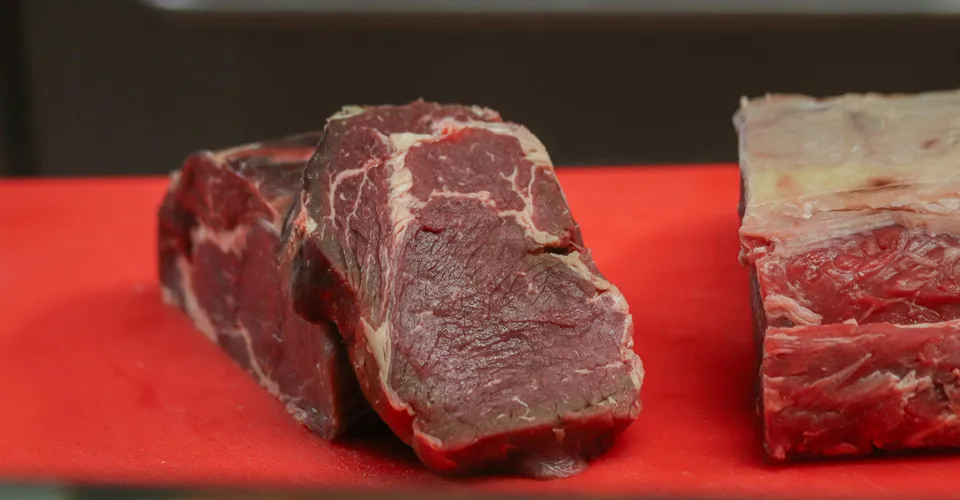
Donald Trump promised cheap beef on day one. It’s now eighteen months later, and the price per pound is $6.74—about 18% higher than when Biden left office. This isn’t a policy failure headline you’ll see screaming across cable news. But it should be, because it tells you something brutal about campaign promises versus market reality.
The cattle trade has crushed the S&P 500 over the same period. Not by a little. The structural shortage driving prices up shows no sign of relenting. We’re talking about an asset class that’s genuinely outperforming equities while Americans pay more at the grocery store than they did a year and a half ago. That’s the opposite of what happens when a president gets what he wants.
Here’s where this gets interesting: while regular folks are paying record beef prices, congressional traders are absolutely minting it on AI stocks. Rep. Ro Khanna has pulled off a 112.1% excess return over the S&P 500 since January 2024. Nancy Pelosi—the woman who basically invented the congressional trading hustle—got lapped. Anthony Pompliano called it on Twitter: “There Is A New King.” The irony is sharp enough to cut. While the guy in the White House can’t solve the cattle shortage, the guys writing the laws are printing money on AI bets.
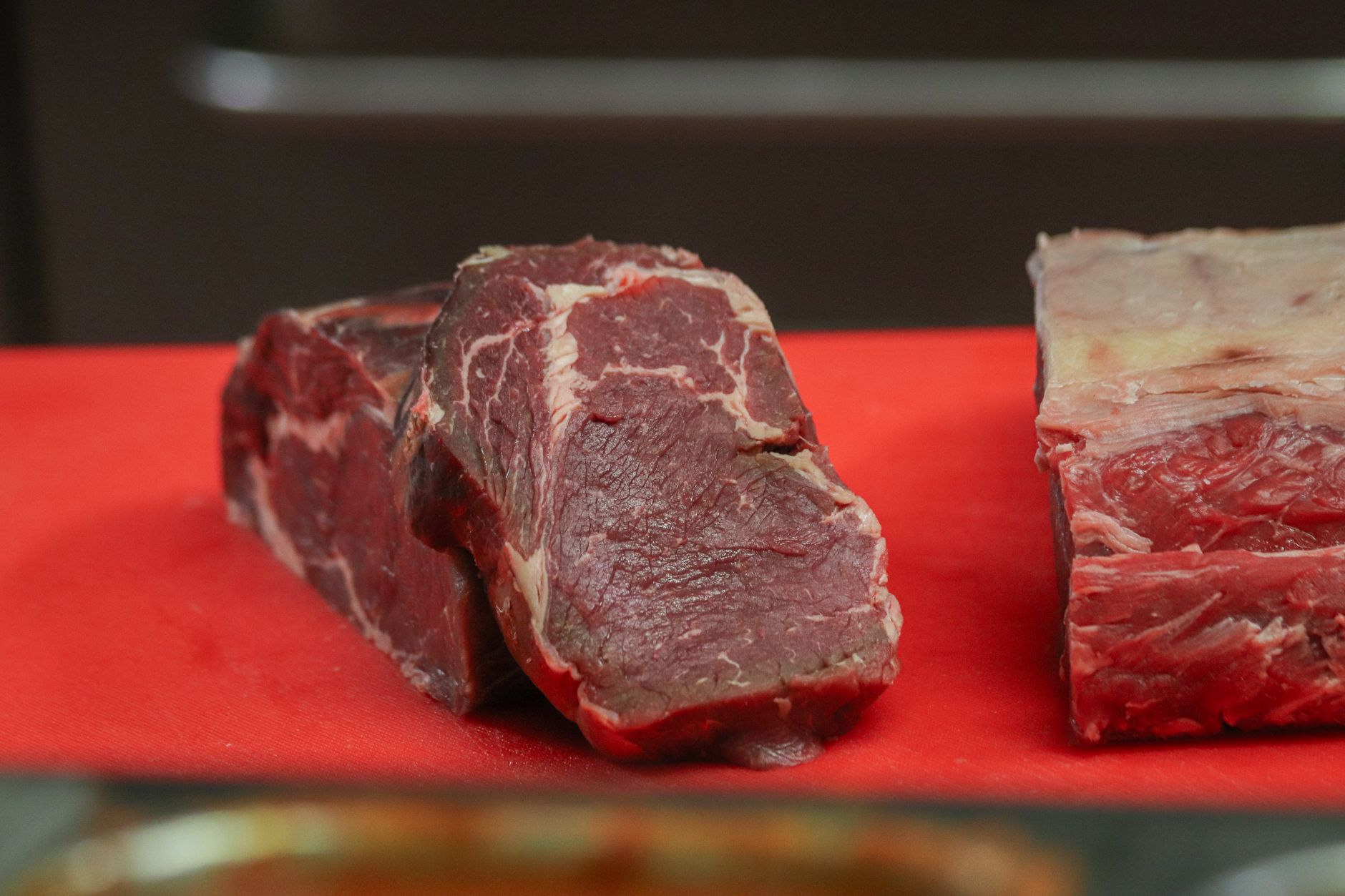 Photo by Boys in Bristol Photography / Pexels
The Beef Bluff
Let me be clear: Trump didn’t cause the cattle shortage. That’s structural. Years of drought in the American West, herd liquidations, feed costs—this isn’t something a president solves with executive orders on day one. But here’s the thing: he promised it anyway.
The feeder cattle futures have done exactly what you’d expect when supply dries up and demand stays flat or grows. The market moved up. It stayed up. And it’s telling you something the White House probably doesn’t want to hear: if you want cheaper beef, you need either more cattle or less demand. Neither is happening fast.
What’s wild is that cattle prices have become a better investment than literally buying the S&P 500. Since Trump’s election victory on November 5, 2024, if you’d parked your money in feeder cattle futures instead of a broad index fund, you’d be sitting on bigger returns. Think about that. A commodity that’s literally become more expensive for the average person has outperformed the entire stock market. That’s not just bad optics. That’s a structural warning sign.
 Photo by Markus Spiske / Pexels
The AI Traders Know What You Don’t
While the beef shortage grinds on, something else is happening in Washington that matters way more for your portfolio: congressional insiders are absolutely crushing it on AI stocks.
Ro Khanna’s 112.1% excess return isn’t luck. This is a California congressman with deep Valley connections who evidently knows which AI bets are actually going to pay off. He’s beating Pelosi, beating the S&P 500, beating everyone. You want to know what the smartest money in Washington is buying? Look at what Khanna’s buying.
The irony gets thicker: while Trump’s signature commodity promise (cheap beef) has blown up in his face, the people writing the rules around AI regulation are making a killing on AI stocks. There’s a timing element here too. ProCap’s data runs through April 2026. We’re in a moment where AI stocks are supposedly “in buy areas” according to the latest market analysis. Google, Amazon, Nvidia—all flagged as buys. But the guys who got there first and made the most? They’re inside the building.
My read: Khanna’s outperformance isn’t random. It’s what happens when someone has visibility into policy tailwinds before the rest of the market does. That 112% beat isn’t beating the market—it’s front-running it.
Iran Inflation Just Walked Into The Room
Here’s what nobody’s talking about loudly enough: the Iran conflict is pushing up gasoline, airline fares, and a bunch of other prices. This isn’t theoretical. The March 2026 inflation breakdown shows it happening right now.
Tehran’s already accusing Israel of violating ceasefire terms while the IDF continues operations in Lebanon. U.S.-Iran peace talks are happening in Pakistan, and the stakes are clearly rising. Meanwhile, oil prices are responding. Gas at the pump responds. Airlines respond. Your wallet responds.
This is the shadow inflation nobody wants to own. It’s not base effects or cooling demand. It’s geopolitical risk being priced into every gallon and every ticket. And it’s happening while the administration is trying to message that inflation is under control. Good luck with that messaging when Chevron and Southwest both report higher input costs tied to Middle East tensions.
The Pharma Shuffle
Europe’s pharma dominance is cracking, and it’s not because of innovation gap. It’s Trump policies plus China’s biotech boom. Eli Lilly’s watching its market share get hollowed out in India by cheap generic semaglutide. Novo Nordisk held its ground, but only after slashing prices hard enough to defend Ozempic and Wegovy.
The structure of this problem isn’t new. Europe’s fragmented capital markets, single-market pricing, uneven reimbursement. All of that is suddenly looking like it’s been solved by… cheaper generics from Asia. That’s not innovation losing to innovation. That’s a business model losing to arithmetic.
What this means: if you own European pharma thinking they’re defensible on patent moats and brand strength, you might want to reconsider. India’s generic flood is just the first wave. This is coming to developed markets.
Photo by Markus Spiske / Pexels
The Palantir Paradox
Trump praised Palantir while the stock had its worst week in over a year. The Maven platform got used in the Iran military campaign. You’d think that would be bullish. Instead, the stock tanked.
This tells me something: investors are pricing in the risk that being too closely associated with Trump policy—especially on defense and foreign policy—is a liability, not an asset. The political winds shift. The next administration might not love Palantir quite as much. Better to take profits when the president’s praising you than hold and watch the political calendar.
My prediction: Palantir will become a “fade the tweet” stock. Every time Trump or his people praise it publicly, smart money sells it. The fundamentals might be fine, but the optics are a liability.
What I’m Watching
Cattle futures vs. beef retail prices divergence. Watch for when feeder cattle futures start reflecting a real supply inflection or demand destruction. If prices stay elevated past Q3 2026, that’s your signal the shortage is structural and Trump’s promise is dead. The gap between what futures say and what consumers pay will tell you if the market’s pricing in eventual relief or resignation.
Ro Khanna’s next trade. ProCap’s data goes through April 2026. If you can watch congressional disclosures in real-time, his next moves in AI stocks (or away from them) are your canary in the coal mine. He’s clearly got visibility the rest of us don’t. When he rotates, the market usually follows six to twelve weeks later.
Iran peace talks failure probability. Every week of escalation pushes oil higher and inflation expectations up. Watch crude oil futures, not headlines. When oil breaks above $90/barrel sustainably, that’s your signal that geopolitical risk premium is real and the Fed might have to respond. That kills the “soft landing” narrative.
Casey’s S&P 500 inclusion holding power. The stock’s up 32.7% year-to-date and 62.1% over a year. That’s typically what happens in the weeks before and after index inclusion—flows are automatic. Watch what happens 90 days after inclusion if the broader market stays flat. If Casey’s can hold those gains on its own merits, it’s a real story. If it rolls over, that’s a lesson about index inclusion being a crowding event, not an endorsement.