Trump's Iran Ultimatum and Orbán's American Cheerleader: Two Tests of How Far Washington Will Go
With hours left on Trump's Strait of Hormuz deadline, JD Vance is in Budapest backing an autocrat. These aren't separate stories—they're symptoms of the same reckoning.
The clock hits 8 p.m. Eastern on Tuesday and either Iran opens the Strait of Hormuz or Trump destroys its bridges and power plants. Meanwhile, JD Vance is in Budapest shoring up Viktor Orbán’s re-election bid.
These stories shouldn’t feel connected. One’s about energy chokepoints and nuclear brinkmanship in the Middle East. The other’s about American support for a Hungarian leader whose policies toward Roma minorities are so divisive they’ve become a swing factor in his own country’s election. But they’re symptoms of identical moves: Trump’s team testing how far they can push allies and adversaries alike, and whether the old diplomatic rulebook even applies anymore.
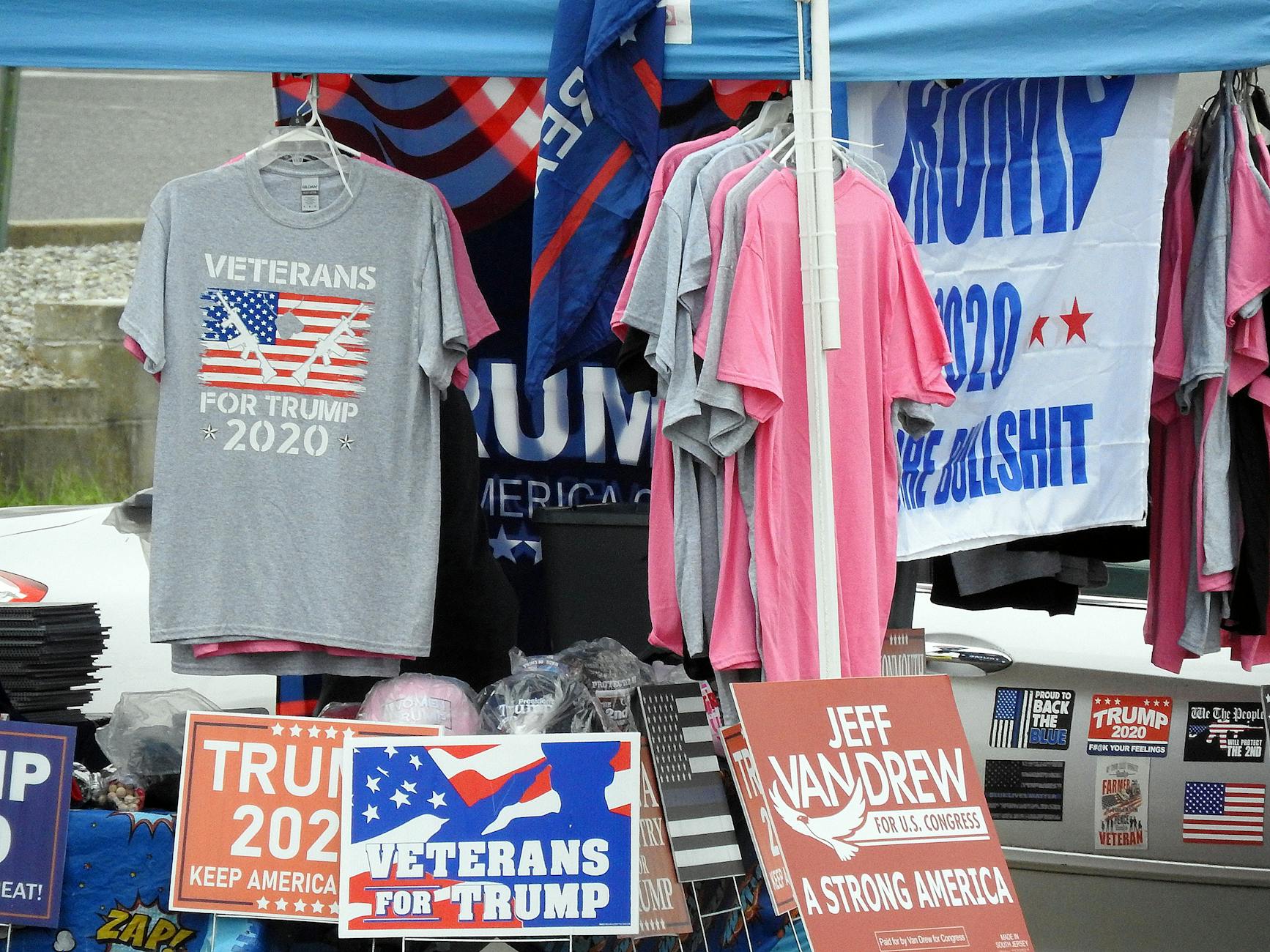 Photo by Allen Beilschmidt sr. / Pexels
The Ultimatum That Came With Threats, Not Negotiations
Let’s be clear about what’s actually happening here. Trump didn’t say “let’s talk.” He said open the strait or face destruction of critical infrastructure—bridges, power plants, the stuff civilians depend on. Israel and Iran traded fresh attacks on Tuesday after Trump rejected a ceasefire proposal as “not good enough.” This isn’t diplomacy. This is a threat with a ticking clock.
The real pressure point is economic. The Strait of Hormuz is the world’s most important oil chokepoint—roughly 20% of global oil passes through it annually. If Iran blocks it, oil prices spike. If Trump follows through with strikes on Iranian infrastructure, prices spike worse. Either way, global markets panic. Either way, gas prices in American suburbs climb.
Here’s what I think is actually going on: Trump’s administration genuinely doesn’t believe Iran will capitulate. The headline says there’s “little sign of breakthrough.” That’s analyst-speak for “this is almost certainly going to escalate.” So why issue the ultimatum at all?
Two reasons. First, domestically it plays well—Trump looks tough, doesn’t back down, frames himself as willing to do what Biden wouldn’t. Second, internationally it signals that Trump’s team isn’t interested in the lengthy diplomatic theater that defined the last 20 years. No UN sessions. No months of back-channel talks. No Vienna nuclear deal architecture. You have until Tuesday or we destroy your infrastructure.
This mirrors how Trump operated before. In 2018, he pulled out of the Iran nuclear deal without offering an alternative framework. Now he’s not offering a deal at all—just a take-it-or-face-destruction scenario. The difference is that in 2018 markets were calmer and oil prices lower. Now we’re in a different global context.
 Photo by Mathias Reding / Pexels
Why Vance in Budapest Matters More Than It Looks
JD Vance showing up to back Orbán’s re-election isn’t just warm diplomatic vibes. It’s the American vice president wading into Hungary’s domestic politics on behalf of a leader whose government has systematically eroded judicial independence, consolidated media control, and enacted policies that have made Roma voters—historically marginalized—pivotal in a tight race.
Think about what this signals: The Trump administration doesn’t care if you’re technically democratic by 1990s standards. Orbán stays in power through elections, but operates more like an elected autocrat—legal structure intact, competitive veneer maintained, actual power consolidated. And Vance just showed up to say “we’re with you.”
The Roma angle is the detail that cuts deepest. When a minority group becomes a swing vote because of policies directed at them, you’re not looking at normal electoral dynamics. You’re looking at a situation where minority rights have become explicitly transactional. Orbán’s government policies affecting Roma have “put those voters in play.” That phrasing—voters in play—treats their rights as bargaining chips.
My read: This visit signals that the Trump administration sees Orbán as a model, not a problem. In 2024, if you can maintain electoral legitimacy while concentrating power, you’re useful. Democracy-by-procedure interests them more than democracy-by-practice.
The Consistency Nobody’s Talking About
Here’s what’s eerie. Trump threatening to destroy Iran’s infrastructure if it doesn’t comply by a deadline, and Vance flying to Budapest to back a leader who’s consolidating control while keeping elections—these aren’t contradictions. They’re the same impulse applied to different contexts.
The common thread: Accept our terms or face consequences. For Iran, it’s military threat. For Orbán, it’s validation and alliance. For smaller nations watching, the message is identical: you can stay in our good graces if you align with us, but resistance gets costly.
This is actually how great powers operated before the post-1945 rules-based order took hold. Pre-WWII, you had spheres of influence. You had ultimatums. You had explicit power politics. For 75 years we’ve had something different—messier, slower, but theoretically built on laws and institutions.
I genuinely don’t know if that framework can survive this administration’s approach. I think it can’t, but I’m not certain. What I am certain about: this is a wager. The bet is that American power is sufficient that you can abandon the rules-based system without losing your allies or triggering catastrophic blowback.
History suggests that bet is dangerous. The run-up to 1914 featured great powers making similar calculations about what they could get away with. Most of them were wrong.
The Timing Problem Nobody’s Solved
Trump’s deadline is Tuesday at 8 p.m. Eastern. Hungary’s election is coming. These aren’t synchronized events, but they exist in the same political moment—a moment where the Trump administration is testing how hard it can push in multiple directions simultaneously.
If Iran capitulates, Trump wins domestically and internationally. If Iran doesn’t, markets react badly, and Trump has to decide if he actually follows through on destroying infrastructure (which would guarantee a broader conflict) or if the threat was bluff. If it was bluff, his credibility on other ultimatums tanks.
If Orbán wins decisively in Hungary, it’s read as vindication—American support for a strongman model works. If he barely scrapes by despite Vance’s appearance, it raises questions about whether that model actually generates durable support or just gives authoritarian-curious leaders plausible deniability.
The messy part is that these outcomes interact. A major Middle East escalation could affect European energy markets, which affects Hungary’s economy, which affects Orbán’s re-election prospects. Decisions made in the next 72 hours in Washington and Tehran don’t just ripple—they collide.
What I’m Watching
-
The 8 p.m. Tuesday deadline and what Trump actually does if Iran doesn’t comply. A military strike happens or it doesn’t. If it doesn’t, we’re in bluff territory and every other Trump ultimatum becomes discounted. If it does, we’re in a regional conflict and oil markets move 20-30% in hours.
-
Orbán’s margin of victory this month and the Roma vote breakdown. If he wins huge, it’s read as validation of the strongman model. If he wins narrow, it suggests the American backing matters less than local factors. Watch the Roma turnout specifically—if it’s suppressed or consolidated against him despite Trump’s visit, that tells you something about whether autocratic methods generate actual legitimacy.
-
What “reopen the Strait” actually means operationally. Does Iran need to formally commit? Physically remove blockades? Trump’s definition matters because it determines whether any Iranian action counts as compliance or whether this is a pretext for escalation anyway.
-
Secondary market signals in the next 48 hours. Oil futures, shipping insurance, currency moves. Markets know things before headlines do. If professional traders are hedging for wider conflict, that’s signal. If they’re calm, that’s different signal.
The next week tells us whether the post-1945 order actually survives its first serious test from within the American establishment itself.