Wars, VAT Cuts, and Deportation Squads: How Crisis Politics Just Became the New Normal
From Iranian strikes shutting down shipping lanes to Trump's constitutional gambit on birthright citizenship, the playbook has shifted to permanent emergency mode
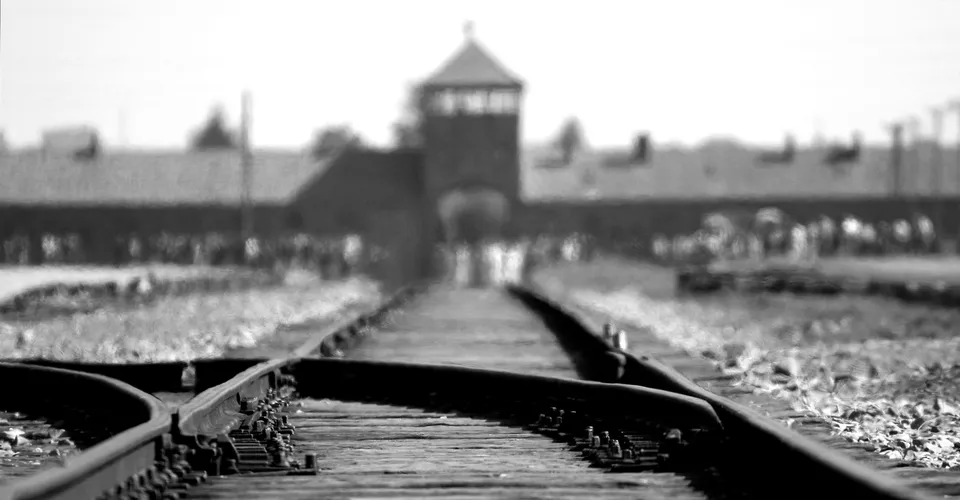
The Strait of Hormuz is closed, special operations forces are deploying to the Middle East, and politicians on both sides of the Atlantic are making promises they couldn’t have imagined six months ago.
Welcome to crisis politics as the new baseline.
While everyone was still processing Trump’s return to power, the geopolitical board just got flipped again. Iran’s escalation has created shipping disruptions that are rippling through energy markets, forcing governments into reactive mode faster than you can say “emergency powers.” The result? A political environment where the exceptional has become routine, and where leaders are making increasingly bold bets because the old rules of incremental change feel absurdly inadequate.
The Energy Crisis Redux
Start with the most immediate pressure point: energy costs. The Conservatives are now calling for VAT removal from energy bills for three years, a policy that would have been dismissed as fiscally reckless just months ago. This isn’t some carefully planned manifesto commitment rolled out after focus groups and Treasury modeling. This is panic policy, driven by the reality that energy bills are about to crater household budgets again just as we were recovering from the last round.
The timing tells you everything. These VAT cut calls emerged directly after the Iranian escalation began disrupting shipping. When the Strait of Hormuz gets even partially blocked, energy traders don’t wait for diplomatic solutions. They price in worst-case scenarios immediately.
 Photo by Pixabay / Pexels
I’ve covered enough energy crises to know the pattern. First come the supply disruptions. Then the price spikes. Then the political scrambling as MPs realize their constituents are about to get hammered by bills they can’t afford. The Tories are trying to get ahead of that cycle this time, but it puts them in the awkward position of advocating for exactly the kind of massive government intervention they’ve spent years arguing against.
Keir Starmer’s framing this perfectly for Labour’s advantage. He’s positioning the May 7 local elections as taking place against an “uncertain” backdrop with wars in Ukraine and Iran. Translation: we’re the steady hands, they’re the ones who left you exposed to this mess.
But here’s what Starmer isn’t saying directly — Labour would probably end up implementing something very similar to the Tory VAT proposal if energy costs spiral. The political math is just too brutal otherwise. Which means we’re looking at a rare moment of actual policy convergence, driven by external events that neither party can control.
Welsh Promises and Federal Overreach
Meanwhile, Welsh Labour is making promises that would have seemed fantastical in normal times. Eluned Morgan pledging that the NHS will see people within 48 hours isn’t just ambitious — it’s the kind of commitment that requires either massive resource reallocation or creative accounting with wait time definitions.
The Wales situation is instructive because it shows how crisis politics enables bigger promises. When everything feels unstable, voters become more willing to believe in dramatic solutions. The old constraints of “that’s not realistic” or “the budget won’t allow it” carry less weight when people are already dealing with energy bill anxiety and watching shipping routes get disrupted by missile strikes.
This is the political opportunity that crisis creates. Normal times reward incremental promises and careful budget management. Crisis times reward leaders who sound like they’ll actually do something proportional to the scale of the problem.
 Photo by Anna Keibalo / Pexels
The same dynamic is playing out across the Atlantic, but with much higher stakes. Trump’s executive order attempting to limit birthright citizenship represents exactly this kind of crisis-enabled overreach. The fact that it’s splitting conservative legal scholars tells you how far outside normal constitutional interpretation this goes. But Trump’s betting that external pressures — from immigration concerns to general institutional distrust — create space for constitutional hardball that wouldn’t have been tolerated even five years ago.
Markwayne Mullin stepping into DHS represents the institutionalization of this approach. The reporting suggests he’ll pursue the same deportation agenda as his predecessors but with “less flash.” That’s probably the smart play politically — deliver the red meat policies without the constant media circus that made previous efforts look chaotic.
The Operational Reality
But here’s where theory meets reality. Trump has sent special operations forces to the Middle East without specific assigned roles, which tells you the administration is positioning for rapid escalation without knowing exactly what form that escalation will take. That’s either smart flexibility or dangerous improvisation, depending on your perspective.
My read is that this deployment is primarily about signaling to Iran rather than preparing for immediate military action. The closed Strait of Hormuz is already accomplishing Iran’s main strategic objective — disrupting global energy markets and creating economic pressure on Western governments. They don’t need to escalate further militarily unless they’re trying to provoke a direct confrontation.
The special ops deployment lets Trump show he’s taking the threat seriously without committing to specific military objectives that might box him in later. It’s the kind of move that looks decisive to domestic audiences while preserving actual decision-making flexibility.
The AI Wild Card
Then there’s the $100 million Innovation Council Action commitment to push Trump’s AI agenda in the midterms. This feels like the kind of forward-thinking political investment that gets overlooked in the immediate crisis coverage but might matter more in the long run.
A hundred million is serious money for midterm spending, especially when it’s focused on a single policy area. The fact that they’re organizing this now, barely a month into the new administration, suggests someone thinks AI policy will be a defining campaign issue by 2026.
I think they’re right. The intersection of AI development, economic disruption, and national security concerns is going to create exactly the kind of complex policy challenges that reward early positioning. Whoever gets out ahead of the AI governance debate has a chance to define the terms for the next decade.
But there’s also a risk here for Trump. AI policy is one of those areas where technical complexity meets massive economic interests. The kind of area where overconfident political interference can create spectacular policy failures. The success of this initiative probably depends more on the quality of the “former administration official” running it than on the size of the budget.
International Complications
The diplomatic front is getting messier by the week. Russia expelling a British diplomat over spying allegations is standard Cold War playbook stuff, but it’s happening alongside more complex situations like British nationals being detained in the UAE after allegedly photographing Iranian attacks.
That UAE situation is particularly sticky because it involves British citizens getting caught up in regional conflict documentation that could have intelligence value. The UAE is trying to maintain relationships with both Western partners and regional neighbors, which puts them in an impossible position when British nationals start taking pictures of Iranian military operations.
The UK Foreign Office’s acknowledgment that they’re providing consular assistance to “a small number” of detained British nationals suggests this is a bigger issue than the public reporting indicates. When diplomatic language gets that careful, it usually means the actual situation is more complicated than anyone wants to admit publicly.
This is the kind of cascading diplomatic complexity that crisis politics creates. What starts as a regional military escalation quickly becomes a web of detained nationals, expelled diplomats, and alliance partners trying to manage competing obligations.
 Photo by Tara Winstead / Pexels
The Conservative Split
The University of North Carolina civics program controversy might seem small compared to military deployments and constitutional challenges, but it represents something important about how crisis politics is reshaping intellectual institutions.
When early conservative supporters of a program designed to promote “civil discourse and ideological diversity” start saying it’s doing the opposite, that tells you something about how polarized our institutional landscape has become. Programs that were supposed to bridge ideological divides are instead becoming battlegrounds for competing visions of what intellectual diversity actually means.
This matters because it shows how deep the current political realignment goes. It’s not just about electoral politics or policy preferences. It’s about fundamental disagreements over what constitutes legitimate intellectual inquiry and how institutions should handle ideological balance.
The fact that this is happening at UNC, in a state that’s been a key battleground for education politics, makes it a useful proxy for broader cultural and political tensions. When you can’t even agree on how to teach civics without creating institutional splits, you’re dealing with much deeper problems than normal political disagreements.
What This Means
Here’s my assessment: we’ve entered a period where crisis politics is becoming the default mode rather than the exception. The combination of ongoing international conflicts, energy market volatility, and domestic institutional challenges means politicians are operating under permanent emergency conditions.
This creates opportunities for more aggressive policy proposals — like the VAT cuts, the NHS promises, and the birthright citizenship order — because voters are more willing to accept dramatic solutions when they feel like normal approaches aren’t working.
But it also creates serious risks. Policies developed under crisis conditions often have unintended consequences because there’s less time for careful analysis and more pressure to act decisively. The special ops deployment without specific mission parameters is a perfect example of this dynamic.
The political winners in this environment will be leaders who can project competence under pressure while delivering on promises that feel proportional to the scale of the challenges. The losers will be those who either stick to incremental approaches that feel inadequate or who overreach so dramatically that they create new crises.
I think Trump understands this dynamic better than most of his critics give him credit for. The birthright citizenship order and the AI spending initiative represent exactly this kind of crisis-proportional response. Whether they’re good policy is debatable, but they’re calibrated to an environment where voters expect big moves rather than careful moderation.
Starmer seems to get it too, which is why he’s framing the local elections around external uncertainty rather than trying to debate specific policy details. In crisis politics, competence and stability become more important than detailed policy platforms.
The Institutional Question
What I’m genuinely uncertain about is whether democratic institutions can handle this pace of crisis-driven decision making over the long term. The birthright citizenship fight will end up in the Supreme Court, where constitutional scholars are already split on interpretation. That suggests we’re pushing against institutional limits that weren’t designed for this level of executive creativity.
The same question applies internationally. The diplomatic expulsions and detention situations represent the kind of escalatory cycles that can spiral beyond what any individual government intends. When everyone’s operating in crisis mode, there’s less bandwidth for the careful diplomatic management that prevents small incidents from becoming larger conflicts.
The University of North Carolina situation is a microcosm of this broader institutional stress. When institutions designed to bridge ideological differences instead become sources of division, you’re dealing with a breakdown of the social infrastructure that normally helps societies process political disagreements.
My prediction: we’re going to see more institutional stress over the next six months as crisis politics becomes normalized. Courts will get pushed to make constitutional interpretations under time pressure. Diplomatic relationships will get tested by cascading incident management. Educational and cultural institutions will continue fracturing along political lines.
The question is whether we can develop new institutional norms that handle this pace of change or whether we’re headed for more serious institutional breakdown.
What I’m Watching
-
Energy bill impacts by March 15: If household energy costs spike above £200/month average, expect emergency parliamentary sessions and rapid policy responses that make the current VAT cut proposals look conservative.
-
Supreme Court constitutional timeline: The birthright citizenship case needs to be decided before summer 2025 campaign season begins, or it becomes a live electoral issue that could reshape congressional races.
-
Iranian shipping disruption escalation: If Strait of Hormuz closures extend beyond 30 days total, watch for direct military intervention discussions that go well beyond the current special ops deployment.
-
Welsh NHS 48-hour promise tracking: Morgan’s commitment creates measurable accountability by summer 2025 — if wait times don’t improve dramatically, it undermines Labour’s competence narrative heading into general election positioning.
Because in crisis politics, the only thing worse than making big promises is failing to deliver on them when everyone’s watching.