Westminster's Chaos Engine and the American Mirror
A Mandelson vetting disaster meets Iranian peace talks and asylum wars. Here's what the transatlantic mess tells us about politicians losing control of their own narratives.
There’s a moment in political life when you realize the machinery isn’t working the way anyone promised it would. Starmer just had that moment. His own civil servants—the people supposedly serving the Prime Minister—sat on damaging information about his newly appointed senior advisor. He found out from the newspapers.
Let that sink in. The Prime Minister of Britain didn’t know what his own Foreign Office knew. For a government that’s barely a year old, this is the kind of thing that erodes authority faster than you’d think possible.
Meanwhile, across the Atlantic, a vice president is running peace talks with Iran while his boss prepares to attend an event celebrating the free press—the very press he’s spent years attacking. And in the background, Democrats smell blood in Republican-held Senate seats because Trump’s approval ratings are dragging down down down.
These aren’t separate stories. They’re symptoms of the same disease: the loss of institutional control. When the people running the show can’t actually run the show.
The Mandelson Moment That Shouldn’t Have Happened
Chris Mason put it plainly: Westminster still has the power to surprise. That’s columnist-speak for “this shouldn’t have been this messy.”
Starmer said he was “staggered” to learn that civil servants withheld information from him about Peter Mandelson’s appointment. Staggered. Not annoyed. Not disappointed. Staggered—the word you use when the basic machinery of governance has just betrayed you.
Here’s what actually happened: The Foreign Office apparently knew something problematic about Mandelson’s vetting and didn’t tell the Prime Minister until questions started flying. Starmer had to walk into Prime Minister’s Questions facing five separate, pointed questions about his own inability to control his own advisors’ backgrounds.
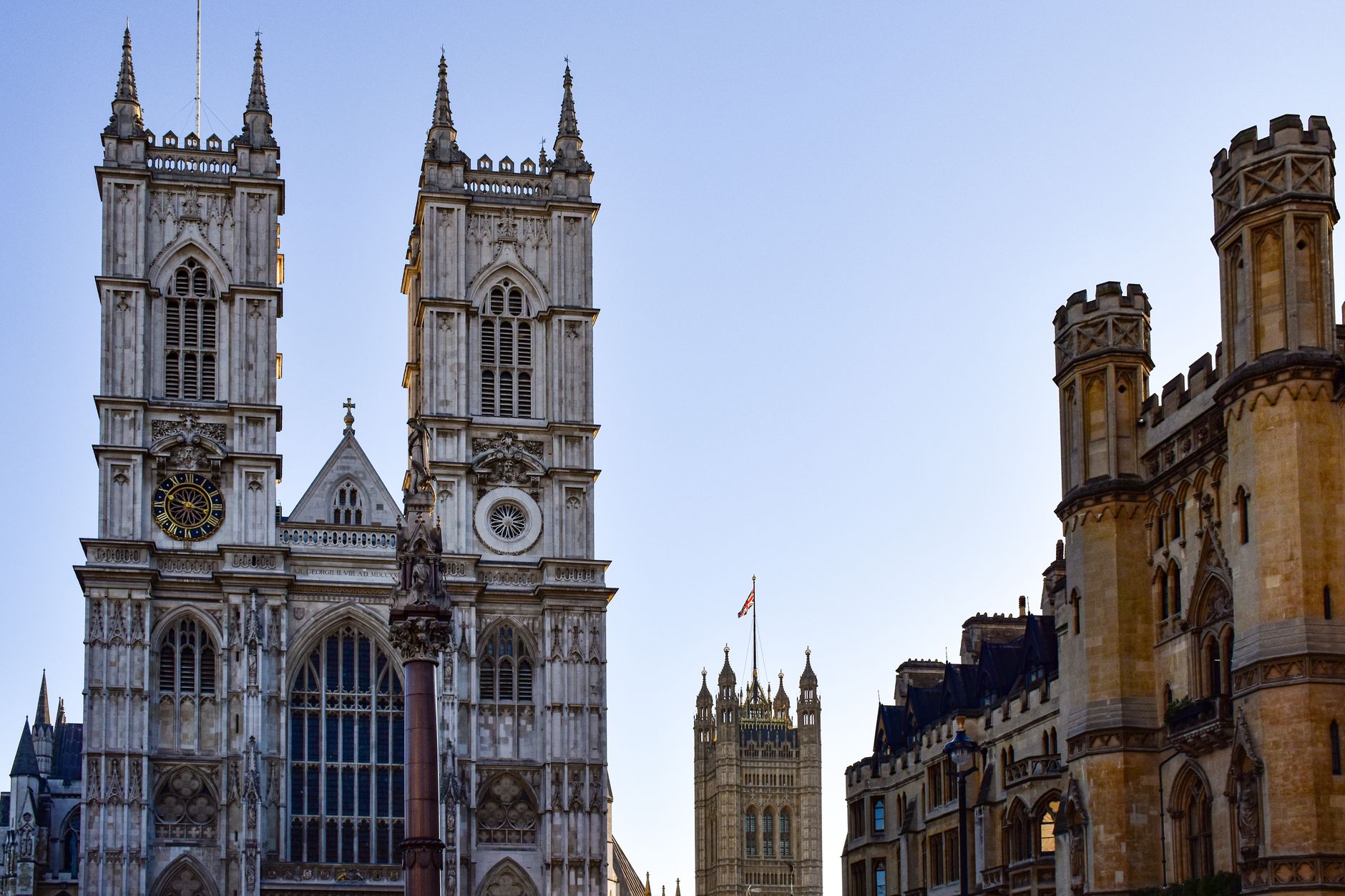 Photo by AXP Photography / Pexels
I’ve covered enough of these moments to recognize the real problem. It’s not the information itself—it’s that somewhere in the civil service machinery, someone decided the Prime Minister didn’t need to know. That’s either gross incompetence or a quiet mutiny. Neither is good. Both are catastrophic for a government trying to consolidate power after 14 years in opposition.
Compare this to 2016. When Trump came in, civil servants were terrified of him precisely because he didn’t know how the machinery worked and didn’t care. They were extra cautious. Starmer’s civil service apparently thinks they can manage things without telling him. That’s worse. That’s institutionalized contempt dressed up as procedure.
The real damage isn’t even the Mandelson scandal itself. It’s that Starmer now has to wonder what else his own government isn’t telling him. It’s the corrosive effect on trust. Labour won with enormous goodwill. They burned some of that in one news cycle because people inside the machine decided they knew better than their boss.
Meanwhile, Reform Sees Its Opening
While Starmer’s managing internal insurrection, Richard Tice’s Reform party is pledging something audacious: a full review of every asylum claim filed in the past five years if they come to power.
That’s not just a campaign promise. That’s a stick of dynamite labeled “we don’t trust the current system.” And it’s landing at a moment when the government has already announced major immigration crackdowns and gang disruption efforts. The space between “what Labour is doing” and “what Reform is promising” is where elections get won.
Here’s my read: Reform’s positioning themselves as the party that’ll actually do something, while Labour gets tied up in vetting scandals and internal process failures. Immigration politics in Britain aren’t subtle. They’re existential for voters in places like Birmingham, where one piece describes “frustration, apathy and hope” as the city faces “the biggest political shake-up in more than a decade.”
When voters are divided by anxiety and the government’s distracted by its own machinery breaking down, insurgent parties don’t get squeezed. They get momentum.
The American Parallel: Losing Control of the Narrative
Look at what’s happening in Washington and tell me it’s not the same basic problem, just dressed differently.
Vance is running peace talks with Iran—high-stakes diplomacy that could reshape Middle East policy. He walked out of the first round without an agreement and is heading back for more. Except nobody really knows what’s happening because Vance is running it, and the administration’s control over its own narrative is… loose.
Meanwhile, Trump’s about to attend the White House Correspondent’s Dinner for the first time in his presidency. Trump, the man who’s built his political brand on attacking the media, is about to sit in a room full of the people he calls the enemy of the people. It’s either a power move or a desperation move. Nobody’s quite sure yet. That’s the problem.
 Photo by Anna Keibalo / Pexels
And then there’s the Senate. Democrats are suddenly competitive in Republican-held seats—tied or ahead in four, according to reporting. Why? Trump’s approval ratings are sinking. Republicans are struggling to raise money. The environment is shifting because the sitting president can’t maintain momentum or control the conversation.
I think what we’re watching is the difference between institutional power and actual power. Starmer has the institutional power of Prime Minister. His civil service doesn’t report to him functionally. Trump has the institutional power of presidency but can’t control his own subordinates’ foreign policy announcements or his own reputational damage. Vance is running Iran policy in a vacuum.
Both systems are showing the same crack: the people nominally in charge aren’t actually steering the ship. They’re managing the appearance of steering it while the machinery does what it wants.
What I Actually Think Is Happening
This is the era of the non-executing executive. Both Starmer and Trump won their positions on the promise that they’d change things. Neither of them seems able to actually implement that change without fighting their own people, their own systems, their own institutions.
Starmer’s got a Labour government with massive goodwill and he’s bleeding credibility because he doesn’t control his Foreign Office. Trump’s got the entire executive branch and he’s bleeding credibility because he can’t control the narrative around his vice president or his media relationships.
This isn’t sustainable. At some point—and I’d guess before next summer—one of these systems has to either get control or get replaced. The civil service either starts reporting to Starmer or he’ll find people who will. The Trump administration either gets aligned on messaging or the chaos becomes the story.
My prediction: Starmer moves faster than Trump does. He’ll make a personnel move in the next 90 days that signals he’s actually in charge. Trump’ll keep improvising.
What I’m Watching
Mandelson’s next public appearance in Parliament. If Starmer forces him through questions with apparent confidence, he’s reasserted control. If Mandelson’s defensive or absent, the civil service won. This happens within two weeks.
Reform’s polling in three key constituencies: Birmingham, parts of the Midlands, and anywhere immigration’s the top voter concern. If they’re above 12% in those seats by April, they’re not a fringe party anymore—they’re a force that changes how Labour has to campaign.
The Iran talks outcome by end of March. If Vance comes back with an agreement, Trump’s media-dodging and approval slump matter less. If he comes back empty again, it’s proof the administration can’t execute on its stated priorities.
Republican fundraising numbers in May. If they’ve stabilized, the environment stabilizes. If they’re still sliding, Democrats’ four-seat pickup odds become real, and that changes the Senate dynamic entirely.