When Allies Can't Even Talk to Each Other Anymore
From mocking accents to blocking bills to betting on coups—the West's diplomatic infrastructure is cracking in real time
William Ruto, Kenya’s president, decided this week that what East Africa needed was a little verbal sparring about English pronunciation. He mocked Nigerians for speaking what he called hard-to-understand English while Kenyans, naturally, speak “some of the best English in the world.”
It’s stupid. It’s also a symptom.
When leaders of ostensibly aligned nations start publicly dunking on each other’s accents, you’re not looking at a one-off insult. You’re watching the social glue that holds alliances together dissolve in real time. These aren’t random comments—they’re calculated plays for domestic audiences, which means the calculation itself is what matters. Ruto figured his base wanted to hear Kenya punched up against Nigeria. That instinct tells you something about where political incentives lie in the region right now.
But it gets worse. Way worse.
 Photo by Sides Imagery / Pexels
The Coup-Betting Scandal That Should Terrify Everyone
A US Army officer is facing charges for allegedly trading on classified information about Venezuela’s political future. Gannon Ken Van Dyke supposedly made bets on Polymarket—a cryptocurrency prediction market—about whether Nicolas Maduro would be removed from power. The Justice Department is claiming he used inside knowledge from his military position to make $400,000.
Let’s be clear about what this is: it’s not just securities fraud. It’s not even just a breach of classified information protocol. It’s an officer of the United States military placing financial bets on the outcome of a geopolitical crisis involving a country that matters to American foreign policy.
The Polymarket angle is key. These platforms exist in a regulatory gray zone. They’re designed to aggregate predictions—theoretically they work because thousands of people with dispersed information create price signals. Except when one of those people has classified intelligence. Then it’s not a market. It’s a cheat code.
I’ve been in rooms where diplomats discuss whether certain channels are still trustworthy. This is what erodes that trust. If a US military officer can monetize classified information about regime change operations, why would any ally believe the US government when it says “this conversation stays between us”? Why would any adversary negotiate in good faith, assuming the American delegation might be placing side bets against the agreement they’re negotiating?
The charge suggests someone actually caught this. That’s the only good news here.
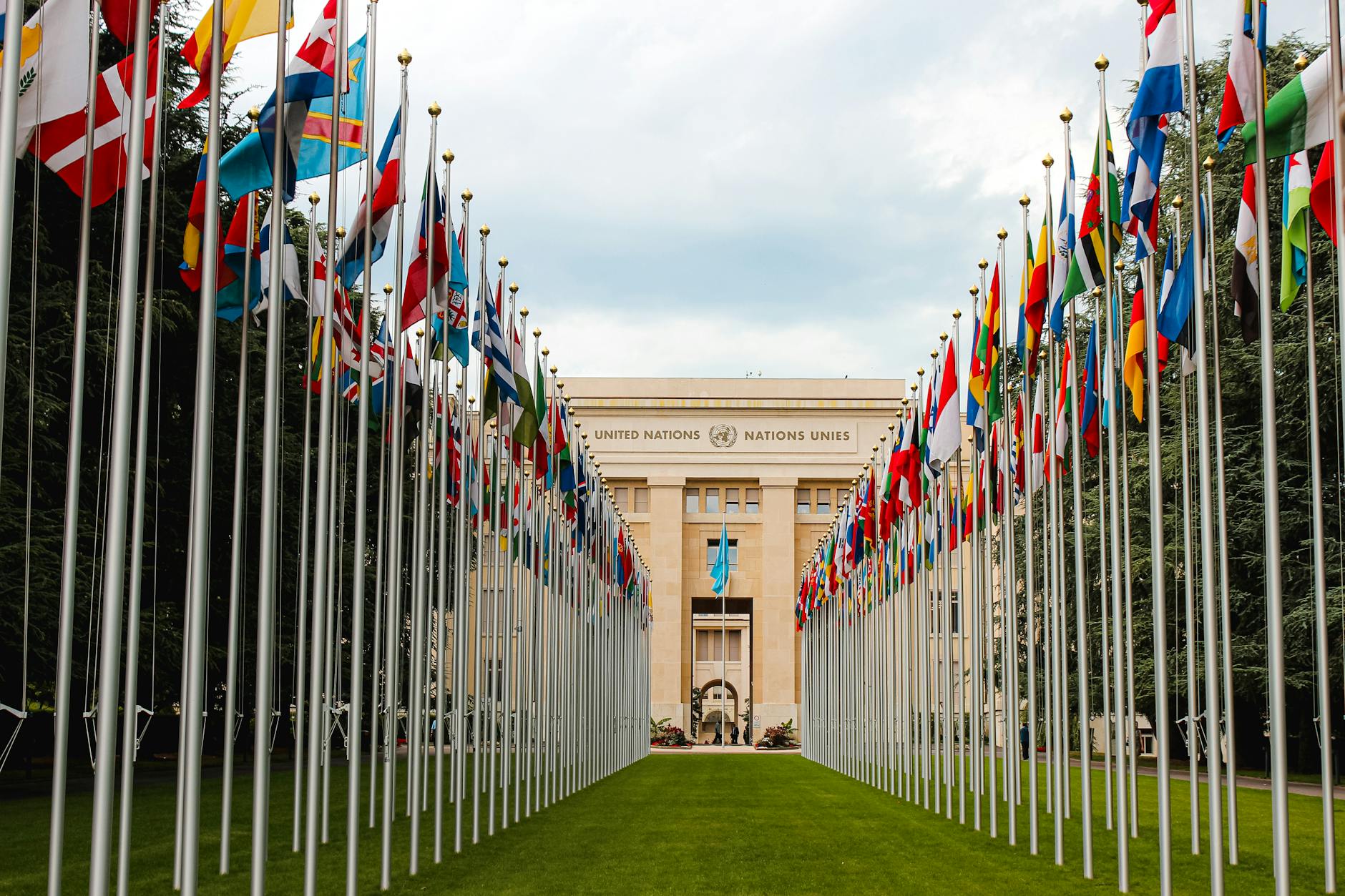 Photo by Mathias Reding / Pexels
Democracy’s Strange Saboteurs
In Britain, seven unelected members of the House of Lords have submitted hundreds of amendments to block an assisted dying bill that was meant to legalize medical aid in dying for terminally ill patients. Seven people. Unelected. Hundreds of amendments.
This is institutional gridlock weaponized. It’s not even a filibuster—it’s a procedural sandbagging operation. The Lords are supposed to be a chamber of sober second thought, not a wrecking crew. Yet here they are, functionally vetoing the will of elected legislators through pure amendment spam.
Meanwhile in India, nine million voters were removed from electoral rolls in West Bengal ahead of state elections—many of them Muslim, according to reporting. Prime Minister Narendra Modi’s party has been making gains in a region it traditionally struggled in. The audit that triggered the removals is now defining that electoral contest.
And in Gaza, Hamas isn’t even bothering to participate in municipal elections happening this weekend. The first local elections in two decades. The institution is so hollowed out that the largest political actor just opted out. Gaza residents said they saw it as a chance to address local problems—water, electricity, rebuilding. Hamas saw it as beneath them.
These three stories have almost nothing in common except the same pattern: institutions are being exploited, bypassed, or abandoned by the powerful to prevent outcomes they don’t like. Democracy isn’t being attacked from outside anymore in most of the West. It’s being sabotaged from within, by people who still technically play by the formal rules.
The Massacre That Took Ten Years to Prosecute
A key suspect in the Tadamon massacre during Syria’s civil war was arrested this week. Victims were bound, blindfolded, and shot before being dumped in a pit.
This arrest matters less for what it says about justice and more for what it says about timing. A decade after the atrocity. A decade. The International Criminal Court and various national prosecutors have been grinding away on Syrian war crimes cases while the conflict itself has moved on, Assad remains in power, and the region has reorganized itself around his continued rule. The International Criminal Court is basically running a museum of past atrocities while current geopolitics leaves those atrocities behind.
Compare that to the speed at which the US charged an Army officer for betting on Venezuela’s political future.
The Misinformation That Actually Worked
South Korea arrested a man for posting a fake AI photo of a runaway wolf. The image circulated widely enough that it prompted authorities to move their entire search operation.
This is less about the guy who posted it and more about how fragile our information environment has become. A single AI-generated image can redirect a police operation involving real resources and personnel. It worked because people wanted to believe it. The wolf was scary. AI photos are plausible now. The convergence was enough.
Imagine that dynamic playing out at scale during a diplomatic crisis. Imagine a fake AI video of a statement that was never made, circulating fast enough that governments respond to it before confirmation. We’re not there yet. We’re probably close.
My Read on What’s Happening
The West’s diplomatic and democratic institutions aren’t broken. They’re being deliberately gummed up from the inside, and the people doing the gumming are losing patience with the speed of outcomes. Ruto mocks Nigerian English. Seven Lords block elected legislation. Modi’s party removes voters. Hamas skips elections. A US officer bets on coups.
These aren’t isolated incidents. They’re all expressions of the same underlying desperation: formal institutions are too slow, too accountable, too public for the outcomes people want. So they’re finding workarounds. Some are legal. Some aren’t. All of them corrode confidence in the whole system.
Here’s what worries me most: the gap between what institutions are supposed to do and what they actually deliver has gotten so wide that the shortcuts are starting to look rational. I don’t think I’m being paranoid. I think I’m just reading the incentives.
The Lebanon ceasefire holding. Gaza holding its first local elections in twenty years. These are real wins. But they’re happening in a context where the meta-game—the question of whether we still share institutions that function—is actively deteriorating.
Photo by Mathias Reding / Pexels
What I’m Watching
-
The Polymarket precedent. How many other military or government officials were using these platforms? If there are more charges coming, we’re looking at systemic corruption of classified information into commodified predictions. That’s the threshold question for whether this was an outlier or a pattern.
-
West Bengal’s electoral legitimacy. If Modi’s party wins decisively despite the voter removals, watch whether opposition parties challenge the results or accept them. That decision determines whether Indian democracy still has functional guardrails.
-
London’s role in the Epstein investigation. Police repeatedly failed to investigate trafficking claims in 2015. If those failures are prosecuted or exposed, it signals the UK’s willing to hold its own security apparatus accountable. If they’re quietly archived, it signals the opposite.
-
How long the Lebanon ceasefire actually lasts. Three weeks is Trump’s extension timeline. If it breaks before that deadline, it means the underlying incentives for conflict were stronger than the diplomatic pressure. If it holds past sixty days, something structural may have shifted in how Israel and Hezbollah calculate their interests.